
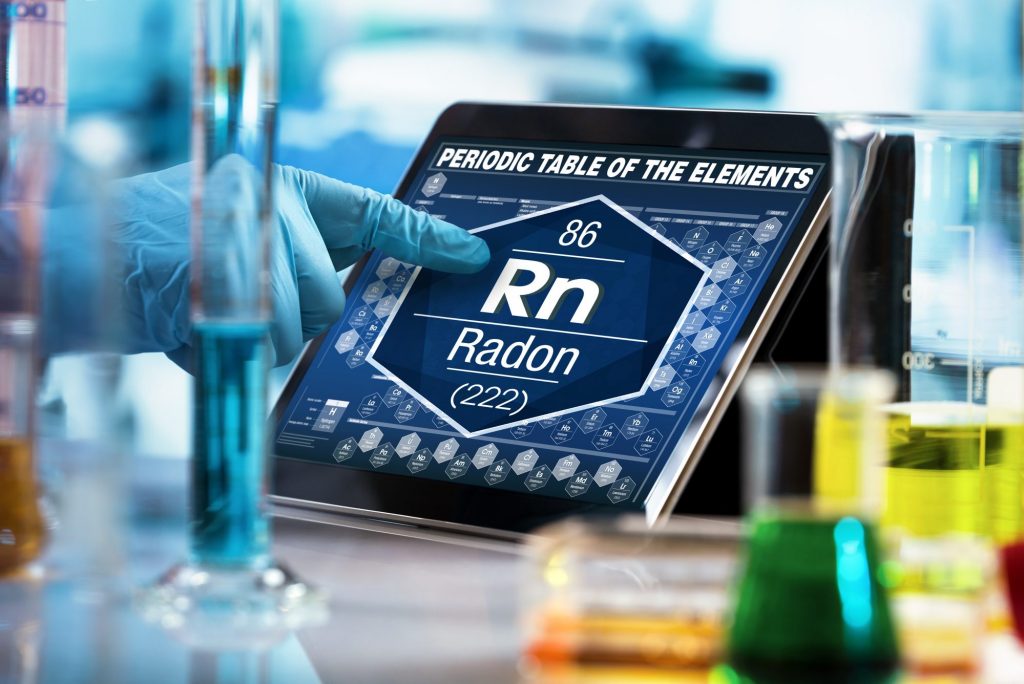
Radon is a naturally occurring radioactive gas that forms from the decay of uranium in soil, rock, and water. It’s colorless, odorless, and tasteless, making it impossible to detect without specialized testing. Understanding radon and its risks is crucial, as long-term exposure can lead to lung cancer. In fact, radon is the second leading cause of lung cancer in the United States, according to the Environmental Protection Agency (EPA).
Radon gas can seep into homes through cracks in foundations, construction joints, and gaps around service pipes. It can accumulate to dangerous levels, particularly in poorly ventilated spaces like basements. Testing for radon is the only way to determine if your home has unsafe levels.
There are two primary types of radon tests: short-term and long-term. Short-term tests typically last 2–7 days and provide quick results, while long-term tests monitor radon levels for 90 days or more, offering a more accurate average. Both tests are easy to use and available at hardware stores or online.
If high radon levels are detected, mitigation systems can reduce concentrations. These systems often involve vent pipes and fans to redirect radon gas out of the home. Professional radon mitigation specialists can ensure proper installation and effectiveness.
Testing for radon is a simple yet vital step in protecting your family’s health. Regular testing, especially after home renovations or changes in foundation structure, ensures a safe living environment. Don’t wait—know your radon levels today.
Recent Comments