Before the remodel covers the clues
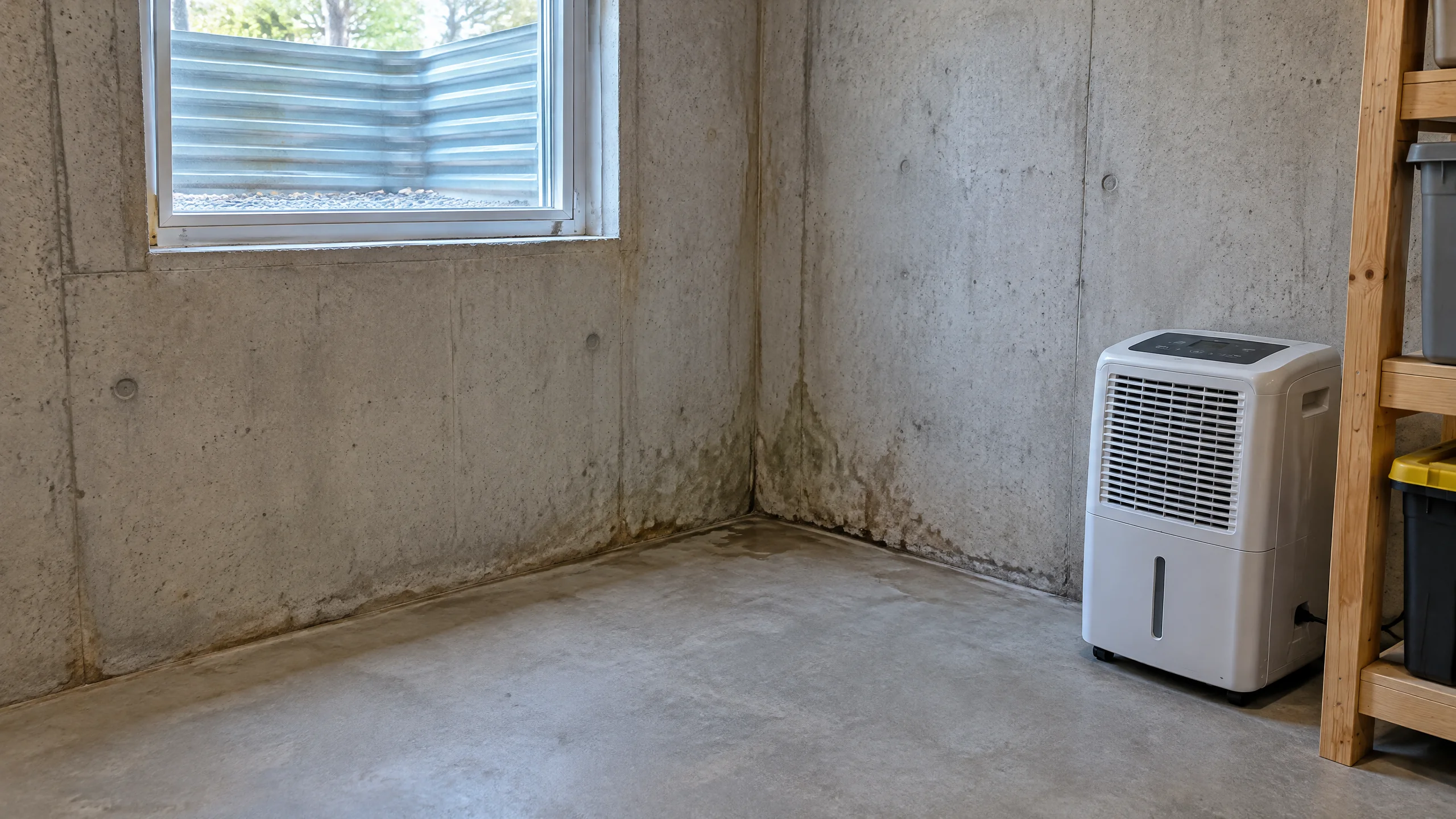
New drywall, flooring, and trim can make a basement feel finished, but they can also hide a moisture history. If you have noticed a stain, damp smell, peeling paint, or past leak, pause before covering the area. Note where it appears and whether it changes after rain, plumbing use, or a period when the room is closed up. These observations do not diagnose mold or identify a leak, but they help frame useful questions.
Keep repair records and photos taken before cleanup. Mention prior flooding, plumbing work, or recurring dampness. Do not paint over a damp or visibly affected surface to make the room look ready. First understand whether moisture is active and what should be addressed. You may also find it useful to read about how roof drainage clues relate to water near a foundation without assuming that is the cause.
Start with visible conditions and moisture history
A visual review can note discoloration, peeling finishes, damp materials, or places where condensation or leakage may have occurred. A stain alone does not establish mold, and a clean-looking surface does not prove hidden conditions are absent. Finished surfaces, stored belongings, and inaccessible cavities can limit what is visible.
Be specific about the concern: “the odor is strongest beside the utility-room wall after heavy rain” gives more context than “the basement smells musty.” Mention a dehumidifier, leak repair, or previous water event. Ask what access would help; do not move heavy items or open walls just to prepare. For recurring dampness, see the related guide on tracking basement moisture over time.
Testing is a tool, not a remodeling clearance
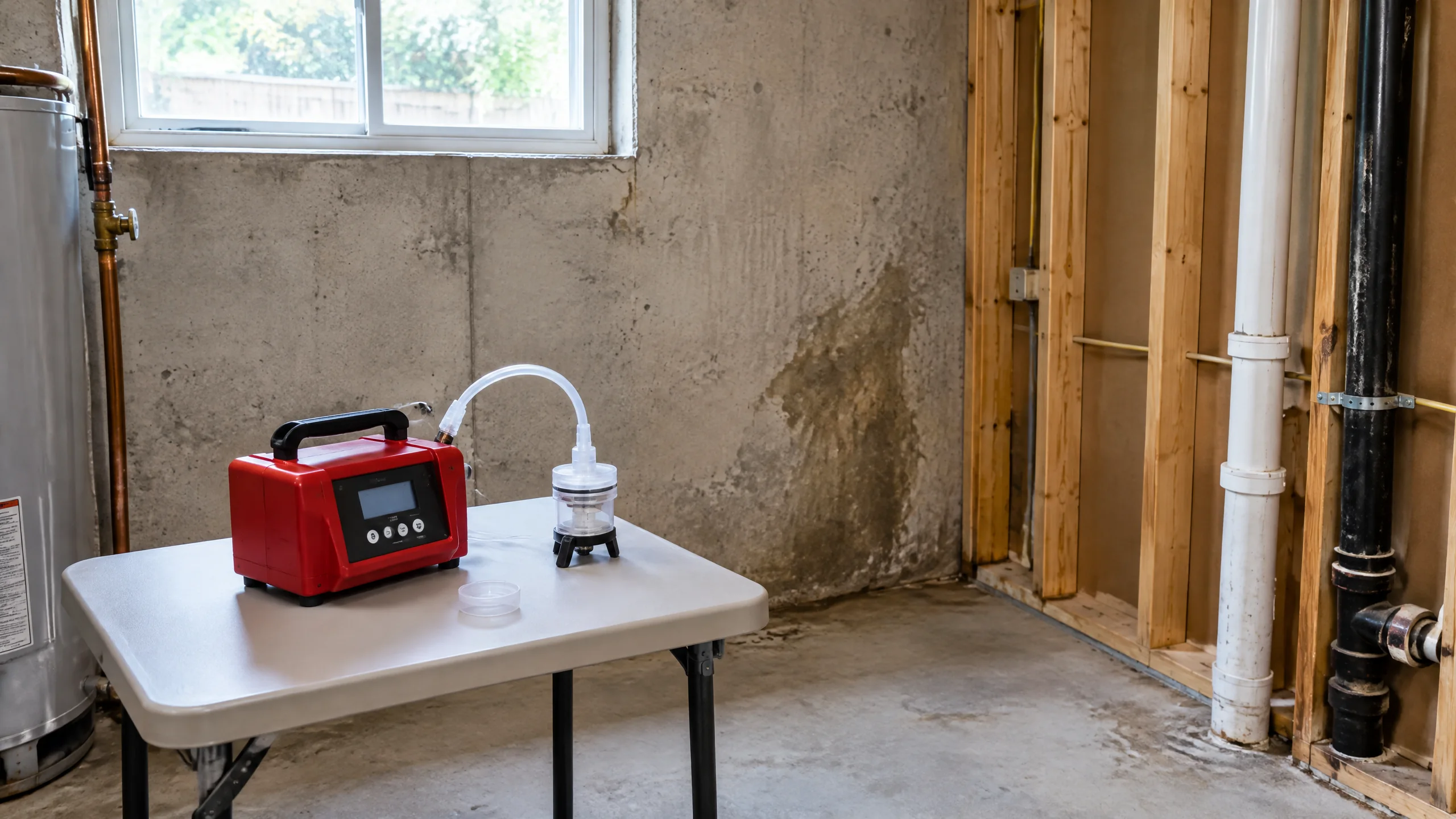
Sampling may help answer a defined property question, but it represents conditions at a particular place and time. The U.S. Environmental Protection Agency says visible mold often does not require sampling and that no federal limits exist for mold or spores in indoor air. A sample cannot establish compliance with a universal safe level. EPA’s guide to mold, moisture, and the home emphasizes controlling moisture rather than relying on a number alone.
Ask what decision a proposed test is meant to inform, where a sample would be collected, and what limitations apply. The method should connect to your question rather than imply that one result describes every room or guarantees future conditions. Testing is not a medical evaluation, remediation, or proof that a basement is mold-free. For health concerns, consult a qualified health professional.
Understand what a sample can and cannot say
Indoor conditions change with ventilation, weather, cleaning, activity, and new water events. Interpret a sample alongside its location, timing, nearby visible conditions, and reason for collection. Without that context, a result can sound more conclusive than it is. Ask how findings will be explained and whether they suggest a practical next question.
Visible growth or a musty odor may warrant investigating moisture even when no sample is taken. A sample may be considered when the visual picture is unclear and a specific question remains. If water is still entering or materials remain damp, prioritize finding the source and evaluating affected materials. Sampling cannot repair a pipe, change drainage, or remove damaged material. Extensive growth, substantial water damage, or sewage contamination calls for experienced remediation help, not cosmetic concealment.
Coordinate the inspection with the project
Before a contractor closes a wall, ask which areas will soon become inaccessible and whether there is time to review the concern. Share your timeline, remodel plans, observations, and repair documents when arranging an evaluation. A property inspection or mold test has a defined scope; it cannot guarantee conditions behind inaccessible finishes or replace a contractor’s construction plan.
Five Star Home Inspections offers mold testing in Northern Kentucky and Greater Cincinnati. Describe the location and history when you inquire so the office can discuss the service and your question. The guide to coordinating mold testing with other inspection questions explains why different services address different concerns.
Make the next step specific
Before an appointment, write down what you observed, when it happened, what changed, and what decision is approaching. Ask what can be seen, what falls outside the scope, whether sampling fits your question, and how results should be interpreted. This helps avoid expecting one test to settle questions it cannot answer.
For Five Star Home Inspections in Blue Ash, Ohio, call 513-327-8275 or schedule an inspection online. Address moisture concerns before new finishes limit access, and treat test results as one piece of a property-specific decision—not a health outcome or guarantee that hidden issues are absent.