Start with what was observed
A long report can feel like a list of everything that might be wrong. Read each note in its own context instead. Look for the location, the visible condition, and the recommendation. A note about a damp area, for example, records an observation; it does not by itself establish where water came from or whether a concealed component is damaged.
A standard home inspection is a visual review of accessible areas on the inspection date, not a prediction of future performance. InterNACHI's Standards of Practice explains that reports identify observed material defects and may include comments or recommendations, while concealed or inaccessible conditions may not be found. That boundary helps you use the report fairly: it describes what could be observed, not every unknown about the property.
Sort by consequence and uncertainty
Instead of ranking findings by how dramatic a phrase sounds, ask what could happen if the condition remains, whether it appears active, and what is still uncertain. A current leak, a potentially unsafe condition, or a system that is not operating deserves prompt clarification. A routine maintenance note may be important too, but often belongs in a different conversation from a condition that could worsen quickly.
Use the report's wording rather than assigning your own severity grade. If a recommendation calls for further evaluation, note both the concern and the unanswered question. A visible crack might prompt a qualified professional to assess movement or water entry; the inspection note alone does not diagnose structural cause.
Ask for clarity before booking work
If a finding is unclear, ask the inspector what was seen, where it was seen, and what prompted the recommendation. Point to the report section or image so the conversation stays specific. Ask whether the next step is monitoring, maintenance, repair, or an evaluation by someone with specialized expertise.
Then contact an appropriately qualified contractor or specialist for a diagnosis or repair proposal when the issue calls for one. Share the relevant report passage and ask what the professional will examine, whether access or testing is needed, and what falls outside the requested scope. Ask for written findings and an estimate if you need them. The home inspection report is not a trade diagnosis or cost estimate, and a follow-up visit may answer a narrower question than the whole-home inspection.
Keep records and repairs in perspective
When follow-up involves seller repairs or prior work, keep the paperwork alongside the observation, but do not treat an invoice as proof of present condition. Records can help a specialist understand what was reportedly done and what questions remain. The related guide on using repair records to shape inspection questions explains how documentation and what is visible now serve different purposes.
If work is completed, retain the proposal, paid invoice, permits or product information when provided, and any follow-up evaluation. Compare those records with the original concern. If a repaired area is covered or a system cannot be operated or accessed, ask what can actually be verified rather than assuming the paperwork settles every question.
Make decisions with the right people
Inspection findings can inform your next conversation, but they do not tell you whether to buy, what a seller must do, or how a contract should be handled. For transaction deadlines, negotiation, or contract language, consult your real-estate professional or an attorney as appropriate. For technical cause and repair choices, use the relevant trade professional. If a commercial property or tenant change is involved, see our guide to defining inspection scope during a tenant change; that context differs from an ordinary home purchase.
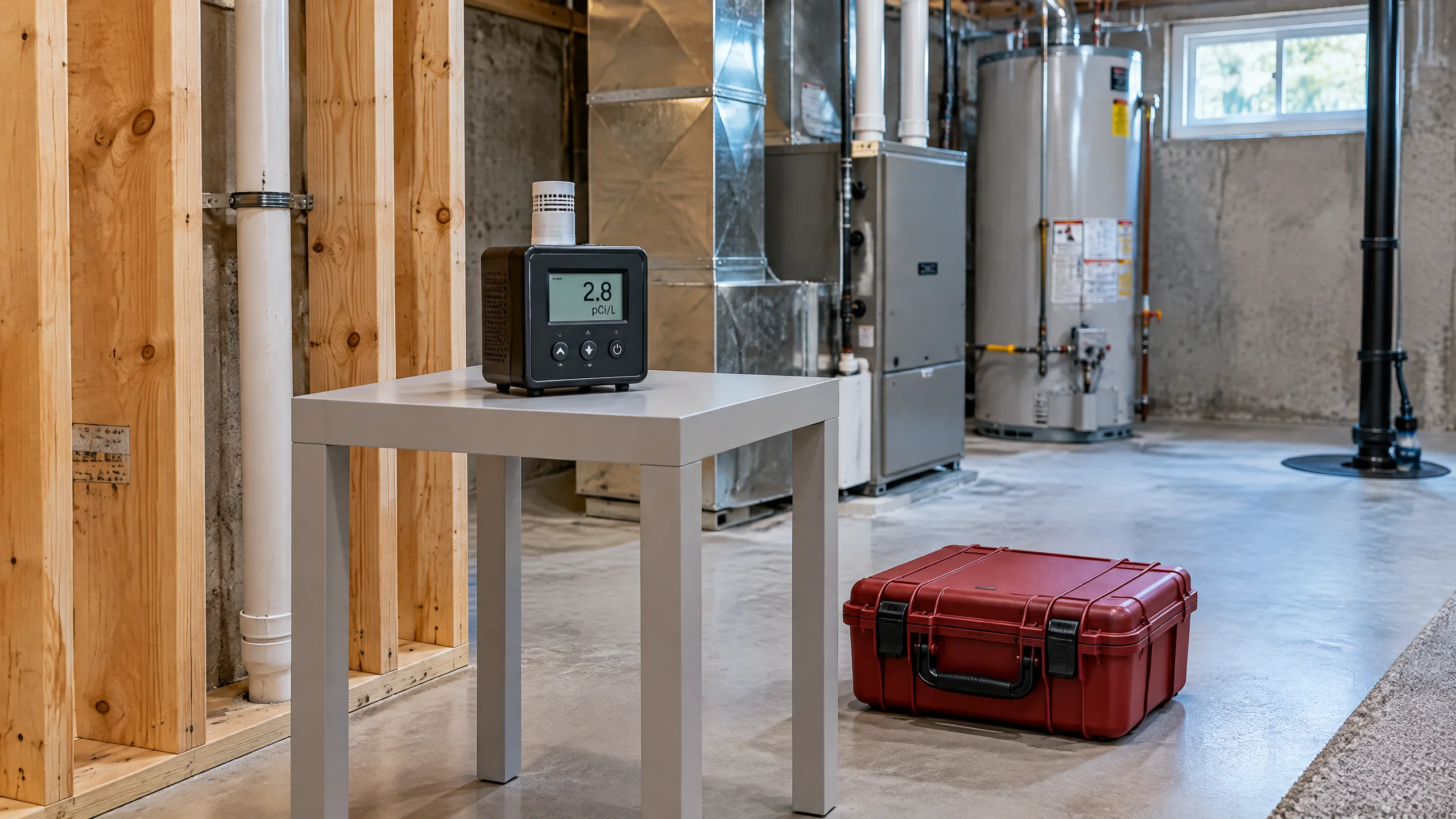
Some questions may also call for a separate service rather than an assumption that they were covered by the general inspection. This overview of coordinating inspections and tests explains why each scope answers a different question. Confirm the requested service and its boundaries before scheduling.
Turn the report into a working plan
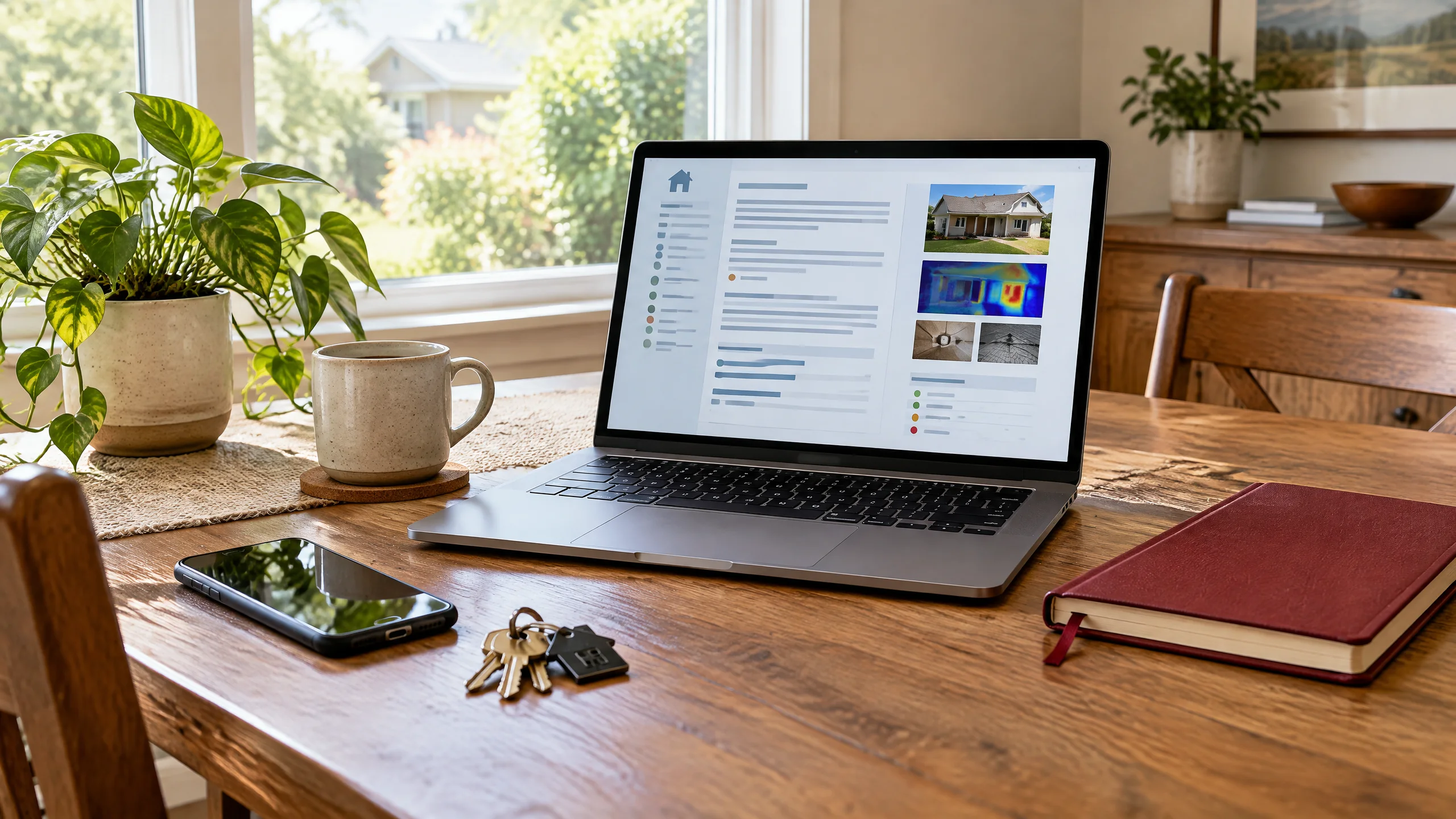
Make a short note of the report page, your main question, the person who can answer it, and any date by which you need information. Keep urgent safety or active-water concerns near the top, then group other items by system or trade so you can have focused conversations. Update the note when a specialist responds.
Five Star Home Inspections' home inspection service focuses on visible, accessible conditions and practical next steps; specialist diagnosis and repair work are separate. If you are arranging an inspection, request an appointment and share the property details and questions you want considered.