Start with the next occupant’s plans
A commercial inspection is most useful when the people arranging it explain what decision the findings should support. Will the incoming occupant use it much as before, or is a different operation planned? Those answers help frame questions before the site visit.
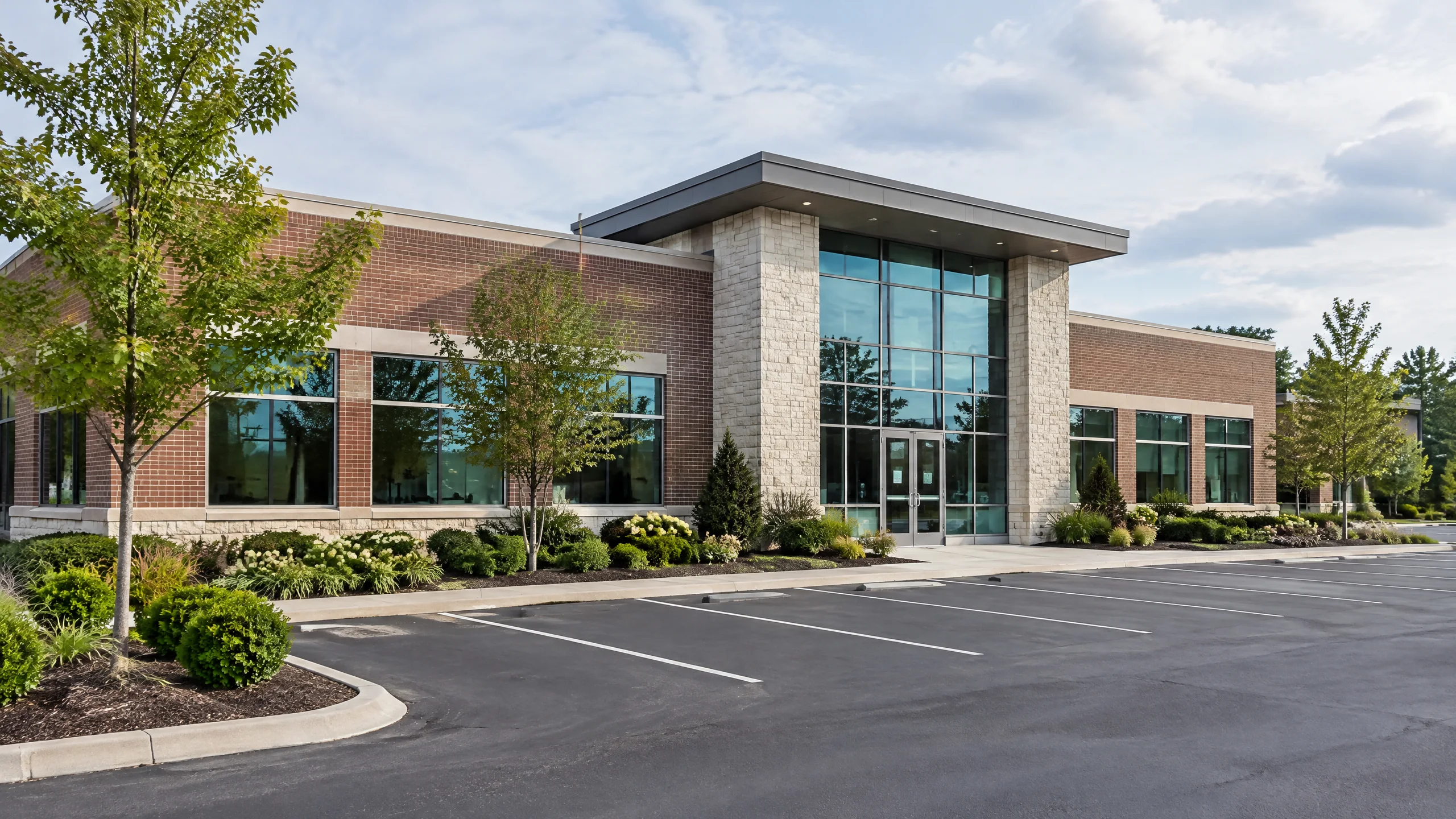
For a West Chester Township office or other commercial property, a transition may involve an owner, manager, current and prospective tenants, brokers, or contractors. Agree on the client, report’s intended use, and proposed areas and systems in scope. That keeps a general condition inspection from being mistaken for an answer to every leasing or operational question. Five Star describes its commercial inspections as a property-specific review of visible conditions, maintenance priorities, and questions for further attention.
Define the inspection boundary before turnover
Commercial buildings vary in size, layout, occupancy, and system complexity. Before scheduling, share approximate size, use, age if known, occupancy, concerns, and timing. Clarify which buildings, suites, common areas, site features, and systems are included. If only part of a property is in scope, document that boundary so readers do not assume the report covers the entire site.
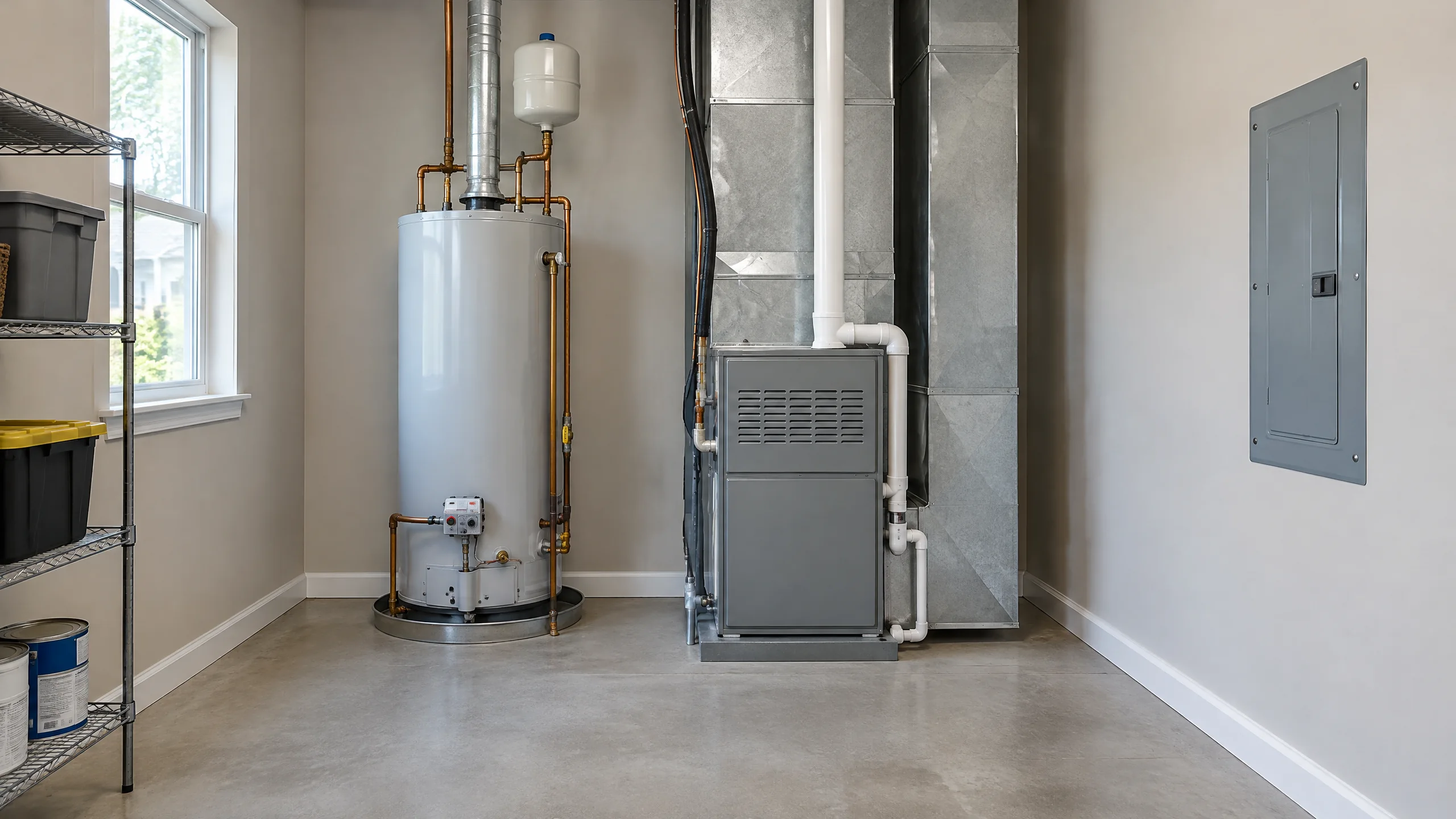
Access is part of that boundary. Make a practical plan for occupied offices, mechanical rooms, storage spaces, roof access, and secured areas. Identify who can authorize entry and coordinate with the current tenant so private work areas and active business operations are respected. Utilities that are off, locked doors, stored materials, weather, or unsafe access can limit what is observable. A room that could not be entered should not be mistaken for a room found to be in good condition.
If the property includes multiple units or shared areas, clarify access separately for each. The questions overlap with defining access to shared systems in a multifamily property, though commercial tenant arrangements and scope differ.
Use maintenance records as context, not proof
Ask whether maintenance logs, prior inspection reports, repair invoices, service notes, permits, or records of improvements are available. Share relevant documents before the visit and connect them to locations or systems when possible. An invoice may show a repair was made, but it cannot by itself establish today’s condition throughout the building.
Keep observations, documents, and unanswered questions distinct. A record may describe roof work, while an inspection reports only what was visible and accessible that day. Concealed conditions, specialized testing, design, or detailed system performance may call for separate evaluation. Commercial inspection standards describe observations and research as the basis for a report, but note that an inspection is not exhaustive and does not identify concealed defects. InterNACHI’s Standards of Practice for Inspecting Commercial Properties explain these limits.
Separate condition findings from code and suitability questions
A condition inspection can document visible concerns in accessible components and organize maintenance or specialist follow-up. It does not decide whether a building meets every current code, whether a proposed business use is allowed, or whether the space suits a tenant’s operation. Code and occupancy questions depend on jurisdiction, use, and renovation history, and may need review by the right authority or specialist.
During turnover, a prospective tenant may need answers about accessibility, fire protection, equipment capacity, permits, or a specific process. Do not assume a general inspection covers these subjects. Identify them in advance and ask the appropriate professional or authority. The inspection remains useful as a separate record of observed conditions and potential follow-up.
Turn findings into a useful handoff
Use the report to create a shared list of items needing prompt attention, routine maintenance, monitoring, or further evaluation. Keep observations separate from decisions about payment, lease obligations, or operational readiness. Those decisions belong to the parties and their advisors, not the inspection report.
When follow-up is recommended, make the question specific: which component needs evaluation, what access or records would help, and whether a contractor, engineer, code official, or specialty service is appropriate? For help organizing findings, see how to turn inspection observations into focused specialist questions. Clear notes preserve what was observed and what remains unresolved as tenant access changes.
Coordinate a property-specific scope
Five Star’s commercial inspection scope considers property type, size, age, systems, occupancy, access, and requested work. Share building details, tenant schedule, available records, and intended use when you review commercial inspection services. Confirm what is included, what may be inaccessible, and whether a specialist is needed.
To discuss timing for a West Chester-area property, contact Five Star to plan an inspection. Clear scope and access can make turnover more orderly while keeping the report’s role realistic: a snapshot of observed conditions, not code approval, suitability certification, or a guarantee of future performance.