Plan the visit around the property
An inspection is a visual review of conditions that can be seen and safely reached on the day of the appointment. Before the visit, gather details that affect access: whether the home is occupied, who can let the inspector in, how to reach the property, and any gate, lockbox, or building procedure. Buyers can coordinate through their real-estate professional; sellers and occupants can help whoever is managing the visit.
Share known constraints early rather than assuming they will be clear at the door. Mention a locked outbuilding, tenant, shared entrance, parking arrangement, or time restriction. Include any preferred window or transaction deadline in the scheduling conversation. A request is not a confirmed appointment until timing and details have been coordinated.
Make ordinary paths clear, not strenuous
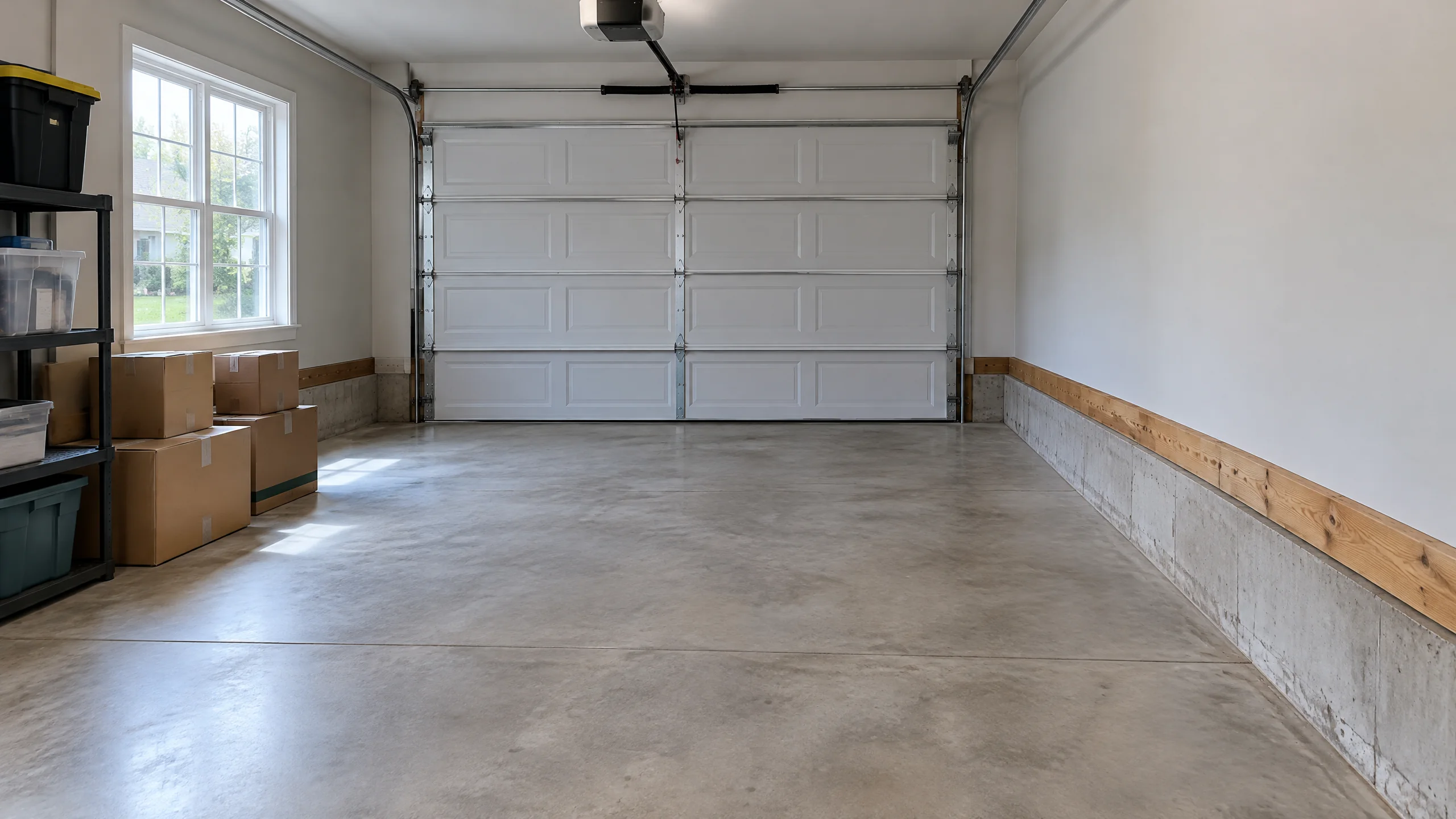
Where practical, leave a clear walking route to rooms and visible equipment. Moving a small item directly in front of a panel or attic hatch may help, but there is no need to rearrange the house. Do not lift heavy furniture, climb over stored items, or try to expose a component by force. The inspector is not expected to move personal property, and blocked or unsafe areas may remain outside the visual review. InterNACHI’s Standards of Practice describe an inspection as a non-invasive examination of accessible areas and say inspectors are not required to move obstructions or enter unsafe spaces.
Access is a practical courtesy, not a promise that every space can be inspected. Low clearance, fragile ceilings, steep or obstructed routes, or stored materials can affect what is safely reachable. If an area cannot be accessed, the report can note a limitation; if it matters to your decision, consider arranging access or asking about a separate evaluation.
Leave unfamiliar controls and equipment alone
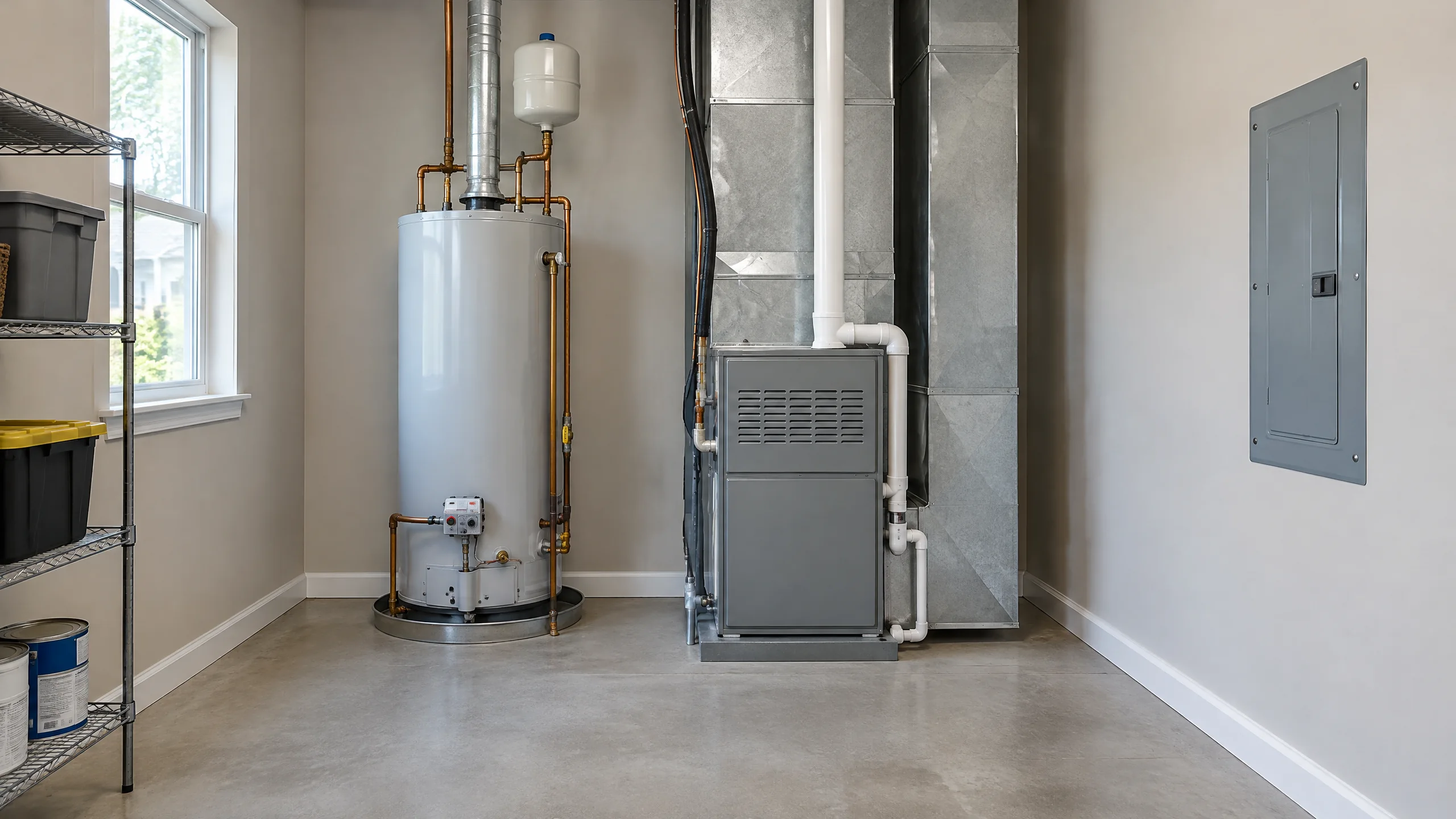
Do not start a furnace, reset a breaker, open a service panel, turn a shutoff valve, or test equipment to prepare. Leave unfamiliar controls to the inspector or a qualified service professional. Tell the person coordinating the visit if a system is off, has a known problem, or should not be operated. A shut-down or malfunctioning system may not be tested, and the inspection is not a repair visit.
Make normally accessible areas visible without taking equipment apart. A clear route to the water heater, heating equipment, and closed electrical panel may help. Do not remove covers, disconnect appliances, or move heavy items. If access depends on a key, code, or permission, arrange it with the responsible person in advance.
Coordinate occupants, pets, and permission
For an occupied home, agree on who will be present and how the inspector will enter. Secure pets so both the animal and visitors remain safe, and mention occupant needs that affect access. Do not assume the inspector can enter a locked room, detached structure, or tenant-occupied unit without permission. For condos, multifamily homes, or shared spaces, clarify which areas are included and who can authorize access.
Make questions specific: point out a recent repair, recurring leak, area covered during remodeling, or system you do not know how to operate. Records provide context but do not substitute for observing present conditions. This article on using repair records to frame an inspection explains how paperwork and observed condition serve different purposes.
Keep specialty services and access separate
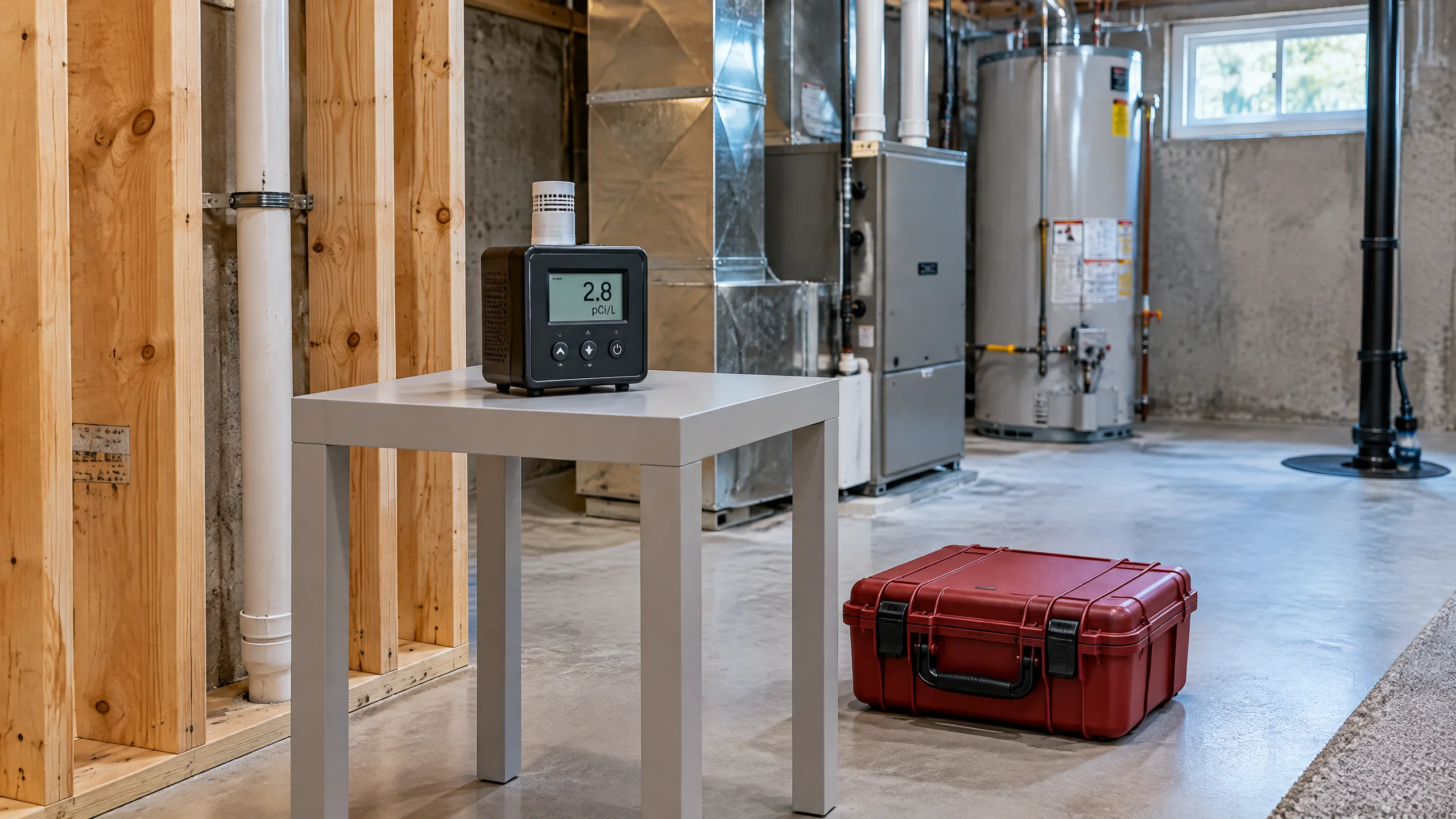
A standard home inspection and a specialty test answer different questions. If considering radon, mold, or a wood-destroying insect inspection, raise it when arranging the visit so the scope can be discussed. Do not assume those services are included automatically or that their access needs are identical. In multifamily buildings, access to units and shared systems needs particular coordination; see how shared-system access is defined.
If an area is unavailable, describe the concern and ask what options exist. A return visit after access is arranged or an evaluation by a specialist may be more useful than improvising on inspection day. Confirm any separate service and arrangements before relying on it for a deadline.
Use the report to guide next steps
Read the report alongside your questions and any noted access limits. If a component was not visible, ask what was evaluated, then decide whether to arrange access or contact a qualified trade. An inspector’s observations are a snapshot, not a guarantee about concealed conditions or future performance. Focused follow-up can help answer a specific question without treating every note as equally urgent.
For the inspection scope and practical limits, visit Five Star’s home inspections page. When ready, start an inspection request with property details, timing, access contact, and questions. The team can review the request and coordinate arrangements before confirming an appointment.