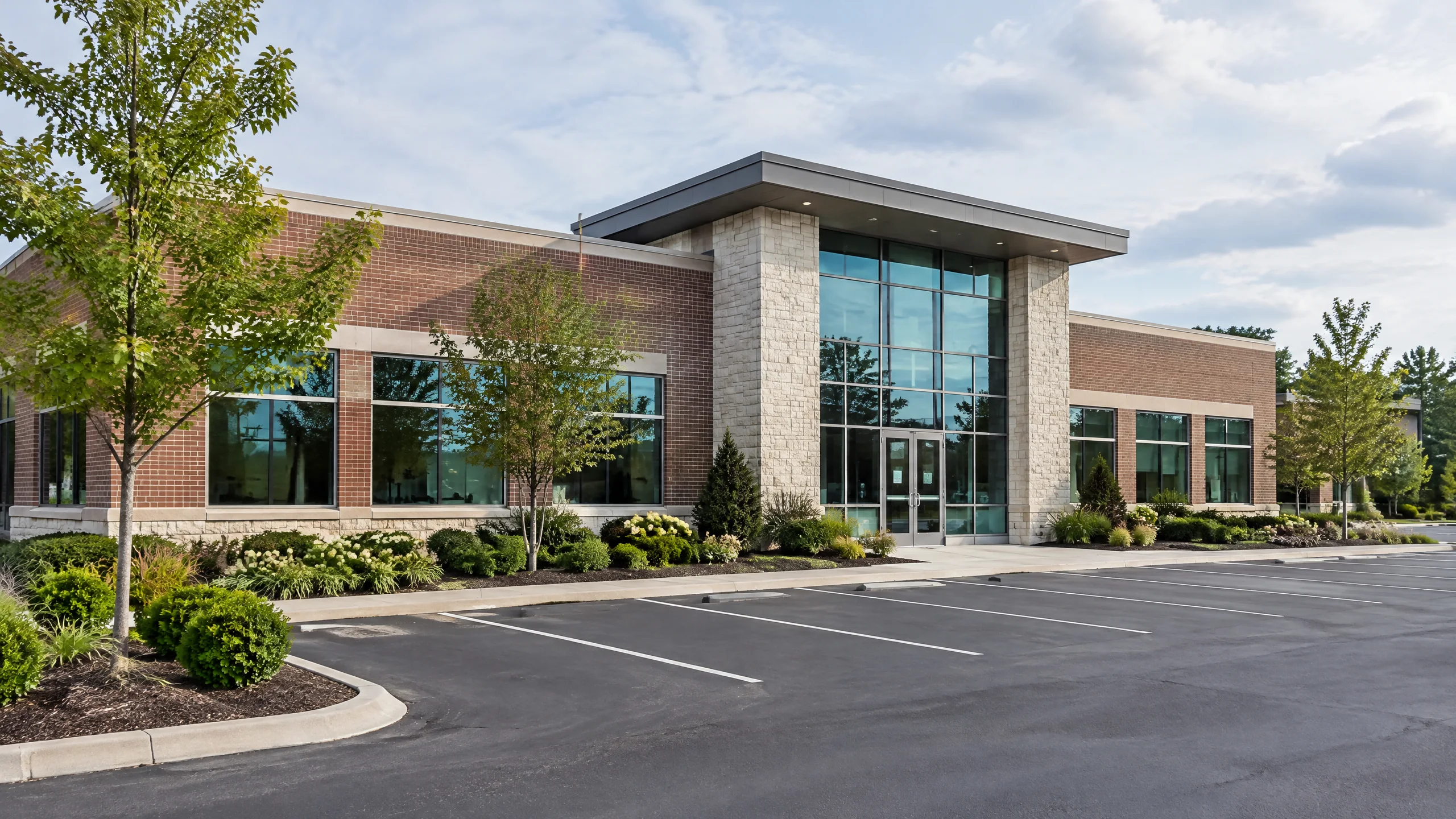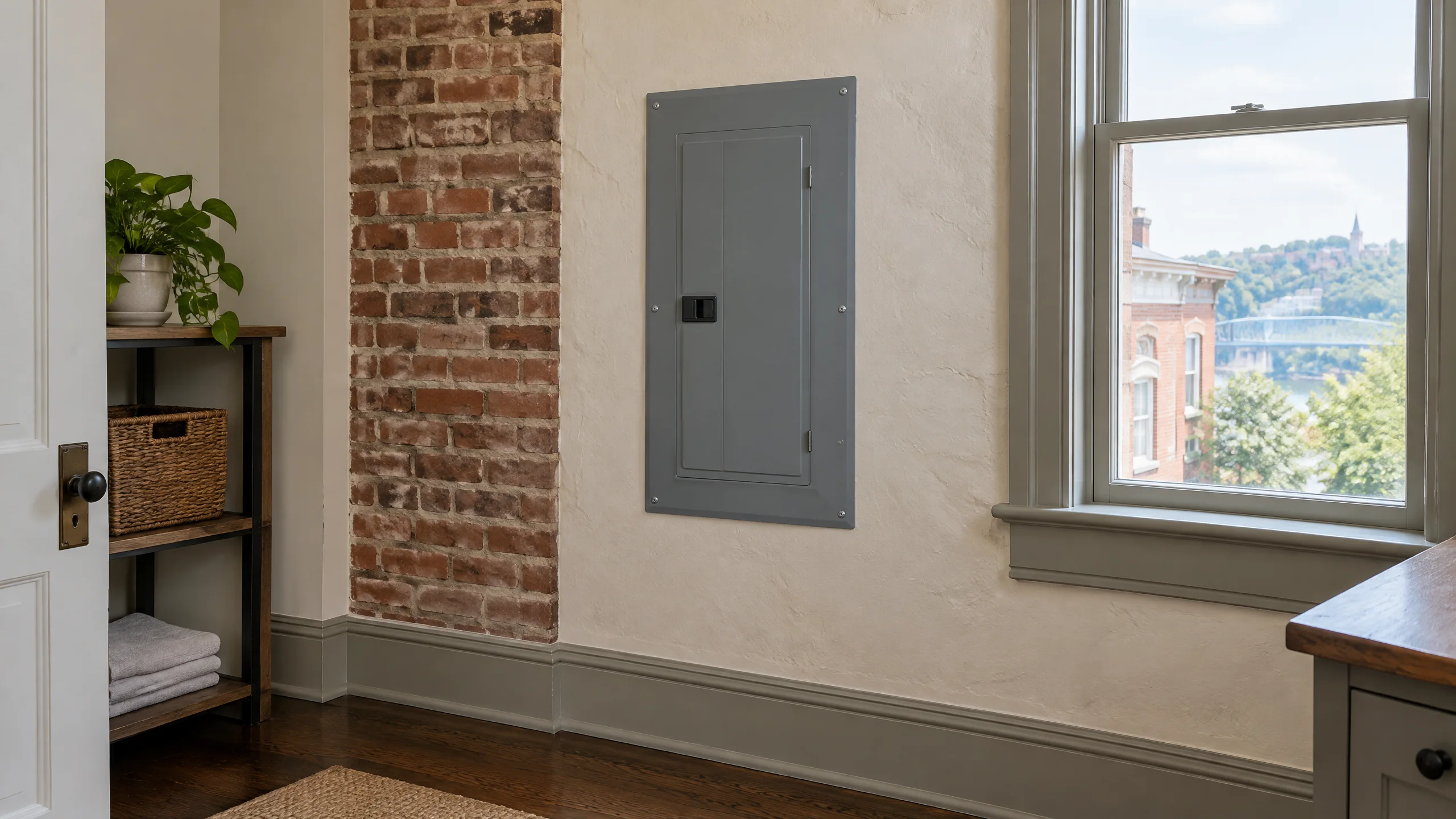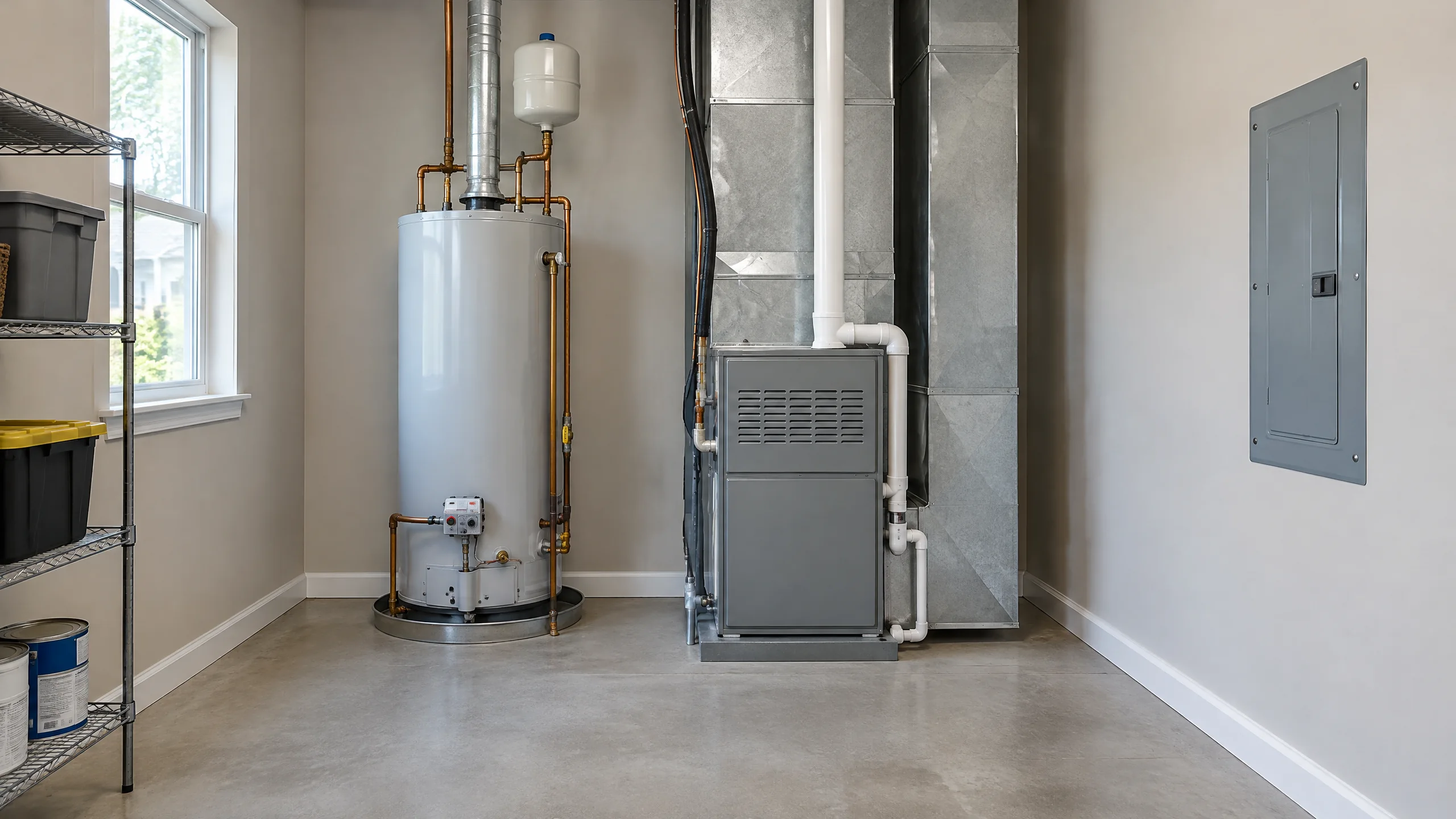
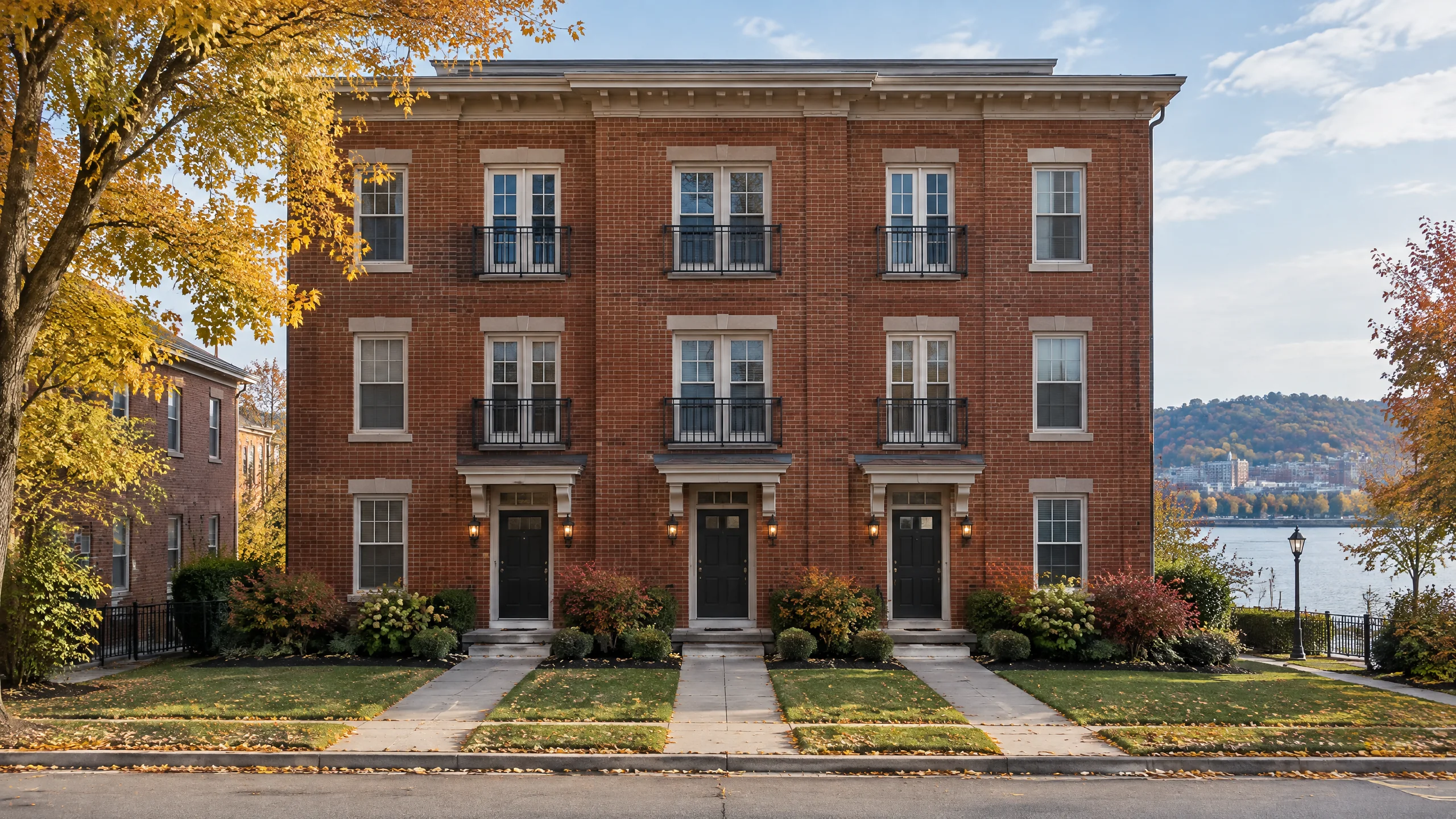
In a multifamily building, inspection planning depends on access as much as on the structure. A vacant unit, an occupied apartment, a shared corridor, and a locked mechanical room answer different questions. For a Newport property, start by agreeing on what can be accessed and what the client wants included; do not assume that every unit or system will be covered.
Define the property and inspection scope
Before scheduling, share the building type, approximate unit count, occupancy, layout, and purpose of the inspection. Five Star Home Inspections plans multifamily work around the property and agreed scope; access, common spaces, and building complexity affect the discussion. Learn about multifamily inspections and share these details when requesting a scope discussion.
Ask which units and common areas are included. Clarify whether access is planned for all units, selected units, or only units the client and inspector agree upon. Do not assume a representative sample will be used or that one inspected apartment establishes the condition of similar ones. If access changes, ask how the limitation will be recorded.
Coordinate unit entry with occupants
Occupied apartments are private living spaces. The owner or authorized representative should arrange permission, notice, keys, escort, and an entry window before inspection day. Confirm who will meet the inspector and who can open locked areas. Never treat a closed door as permission to enter.
If an apartment or utility space cannot be accessed, the inspection cannot directly establish the condition behind that barrier. InterNACHI describes a home inspection as a visual examination of accessible areas and says concealed conditions may not be identified. Its standard applies to properties with four or fewer residential units, so larger multifamily assignments need an agreed scope of their own. Read the InterNACHI Standards of Practice.
Map shared systems and boundaries
List the common spaces that matter: entries, hallways, basements, accessible attic areas, mechanical or electrical rooms, and exterior circulation. Identify shared equipment and who can provide access. A concern in one common area may matter to several units, but it does not prove the same condition exists in each apartment.
Discuss roof access, mechanical equipment, and utility meters in advance. Ask whether a roof can be viewed safely and from what vantage point; do not expect anyone to enter an unsafe or inaccessible area. Clarify what equipment is included and whether it serves one unit or several. The inspection is limited to agreed, accessible observations, not a promise to operate or evaluate every system or meter.
Share useful property context
Owners or managers can share known repair history, recurring moisture concerns, renovations, equipment service information, or a particular issue for the client to consider. These details can focus questions, but they do not replace an on-site inspection or establish the current condition of inaccessible areas.
Keep the request focused on property context and scope, not tenant files or private records. Questions requiring lease review, code status, engineering analysis, or specialist testing belong in a separate process. A multifamily inspection is not an engineering opinion or code-compliance certification, and a visual review cannot see through walls.
Make access limits useful
When access is partial, note which unit, room, or shared system could not be reached and whether stored items blocked a view. Consider whether the missing information matters to the decision. The next step may be arranging access later or seeking a qualified specialist for a specific concern. The report should not imply that a blocked area was checked.
For related planning, see this tenant-change inspection guide, the occupied-property access plan, and focused report follow-up.
Start with a property-specific conversation
Have the unit count, occupancy, access contact, shared-system locations, and priority questions ready. Ask which areas the requested scope can cover and how constraints will be recorded. This sets realistic expectations without implying every apartment or component will be accessible.
Start an inspection request to discuss the building and scope. For Newport and other Northern Kentucky inquiries, call Five Star Home Inspections at 859-935-1560.