One visit can raise several different questions
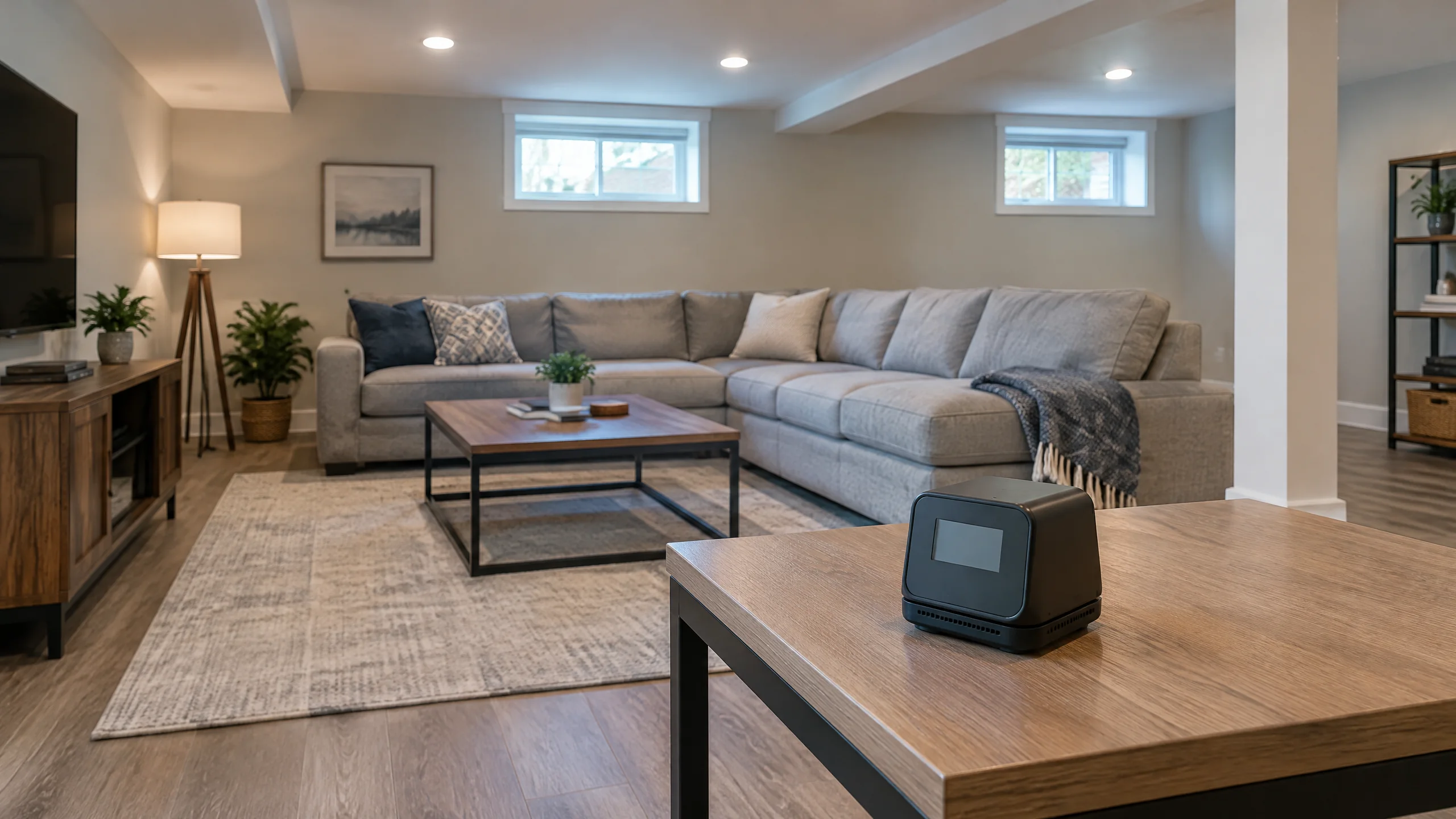
A home inspection, radon test, wood-destroying insect (WDI) inspection, and mold test may all help with a property decision, but they answer different questions. Start with what prompted your concern: the home's visible condition, a radon measurement, insect evidence, or moisture and possible mold. A showing, disclosure, repair record, or musty smell can frame a question, but cannot replace the relevant test. If the concern is a finished lower level, our guide to radon testing around a finished basement explains why finishes alone do not settle it.
A general inspection is a broad visual snapshot
A whole-home inspection organizes observations about visible, accessible systems and components on the visit date. Depending on the property and safe access, it can consider the roof, exterior, structure, interior, plumbing, electrical, heating and cooling, and accessible attic, basement, or crawlspace areas. Stored belongings, closed finishes, weather, and unsafe or inaccessible conditions can limit what is seen.
That breadth does not make it a substitute for a specialized service. A visual inspection cannot measure radon, identify airborne mold by sight, or establish hidden wood damage. It is not a warranty, code-compliance certificate, or forecast of future performance. The report describes observations and limitations, and may flag conditions for further evaluation. See the company’s home inspection scope for more detail.
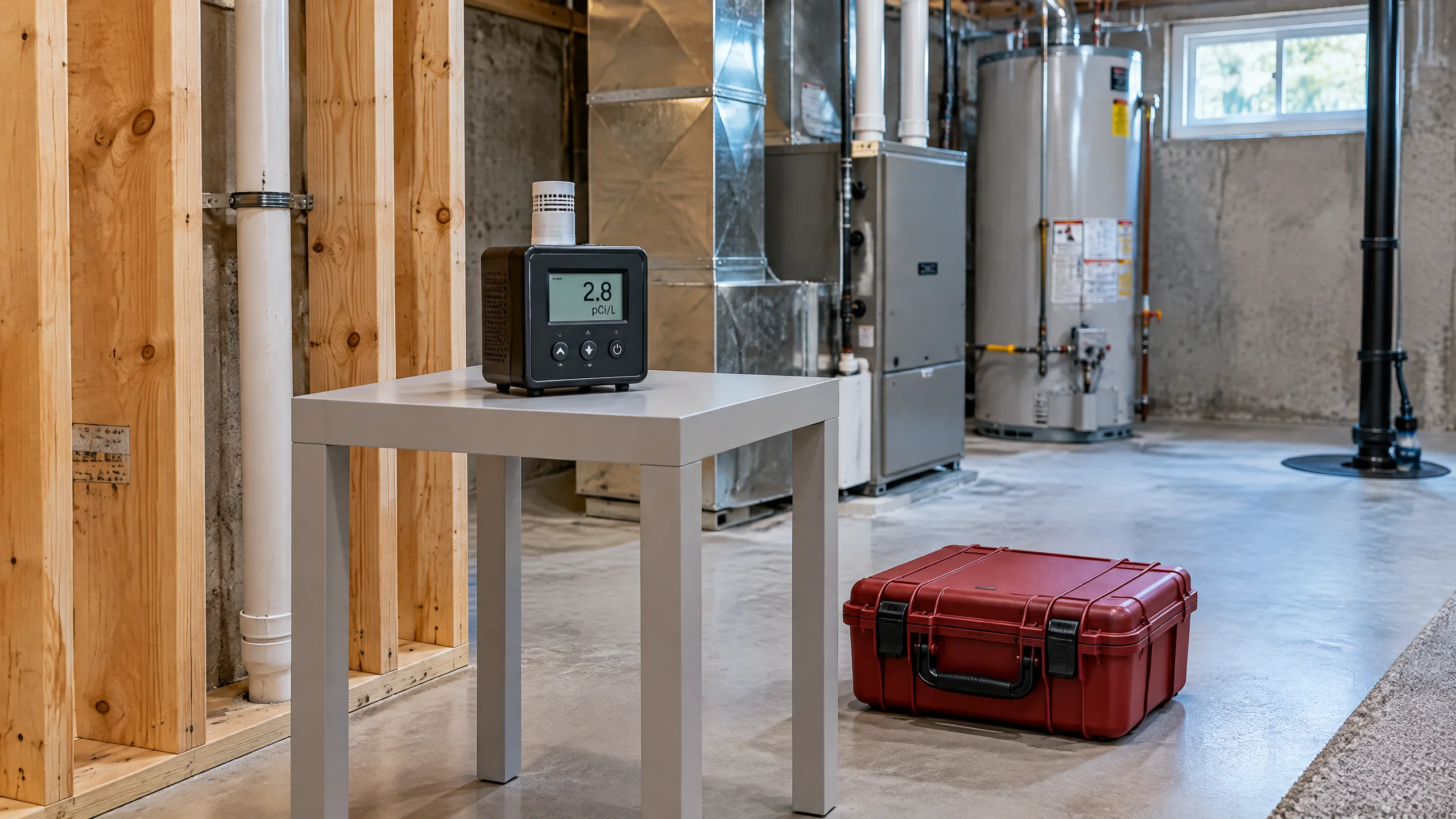
Radon is measured, not visually inspected
Radon is an invisible gas, so finishes, odor, age, and apparent upkeep cannot show its concentration. A measurement device reports conditions during a defined test period, not a permanent label for a building. Follow the tester’s instructions about setup and avoid disturbing the device. Ask early how the test period fits the transaction calendar.
The EPA notes that professional radon standards address test duration, multiple locations, and differing results. A short test and a longer measurement do not necessarily answer identical questions. Review results as reported and seek qualified radon guidance if follow-up is warranted. For a purchase, coordinate timing with your transaction team; the test does not interpret contract rights. EPA radon standards explain these testing considerations.
WDI inspection documents insect evidence and access
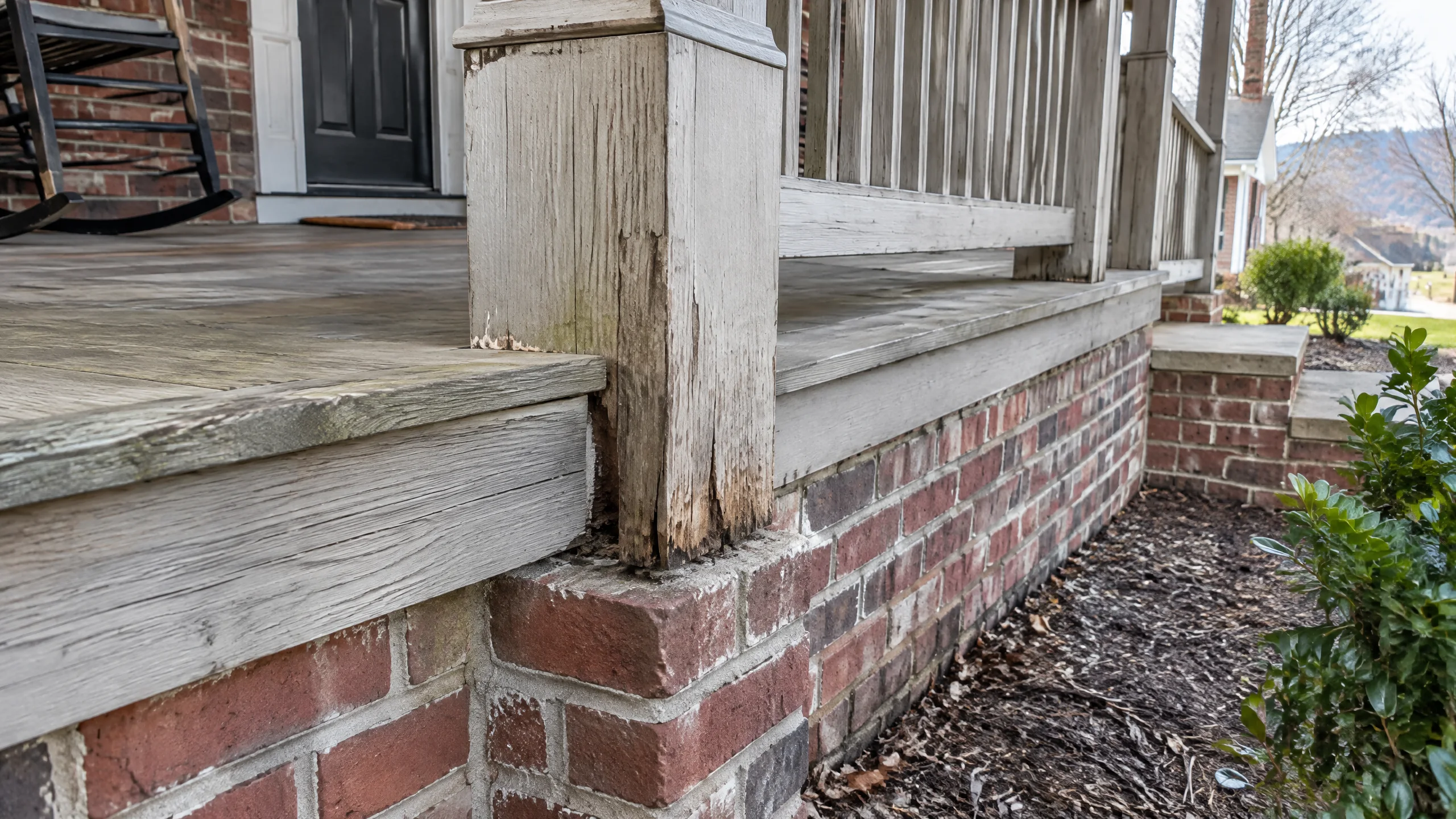
A WDI inspection focuses on visible insect evidence in areas that can be reached and viewed. Signs may include insects, wings, shelter tubes, exit holes, or visible wood damage. An observation alone does not establish the full extent of damage or whether activity exists throughout the structure. Wall coverings, insulation, stored items, and other obstructions can hide evidence.
HUD’s sample WDI report describes a careful visual inspection of readily accessible areas, warns it is not a guarantee against concealed or future infestation, and distinguishes it from a structural damage report. A pest-management professional can advise about identification or treatment; a structural professional can assess damage. See our article on porches and wood connections during a WDI inspection for an example of access and visible conditions.
Mold questions begin with moisture context
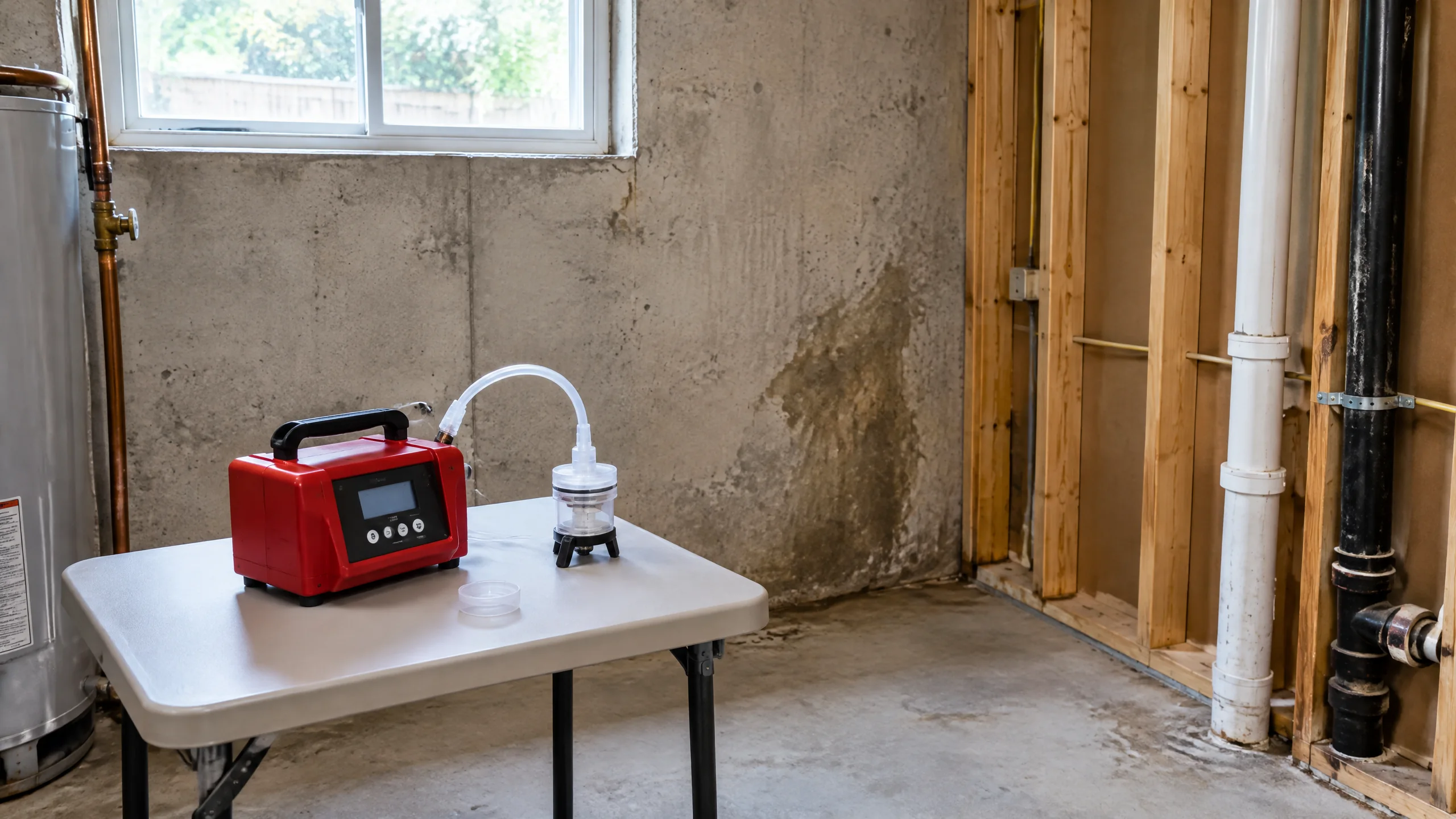
Mold sampling can provide information about a place and time, but a sample alone does not find a leak or explain why an area became damp. Note the location, when you noticed it, and any known leak, flooding, condensation, or repair. This context makes the question more useful than asking one number to summarize a house.
EPA guidance emphasizes moisture control and says sampling is usually unnecessary when visible mold is present. No federal limits have been set for mold or mold spores in indoor air, so a test is not a simple health verdict or proof that a home is mold-free. Addressing the moisture source is central. Our guide to basement moisture before remodeling explains why context matters.
Coordinate scope, timing, and next steps
When requesting services, describe the property and the questions you want answered. Ask which services are separate from the general inspection, what access or preparation is needed, and when results are expected. Test conditions and durations vary, while property access and transaction deadlines affect coordination. Confirm current details with the office rather than assuming a same-day sequence or promised turnaround.
Read each report within its stated scope. A visual finding may prompt specialist evaluation; a measurement may call for follow-up; insect evidence may warrant pest or structural advice; and moisture may point toward repair or remediation. Browse available inspection services, then start a scheduling request with the services and timing you want to discuss. A request begins coordination; confirm scope and appointment details directly.