Why porch connections deserve a closer look
A porch brings materials together in a small area: posts, beams, trim, masonry piers, steps, and nearby soil or landscaping. Those transitions raise useful questions: Is wood exposed and accessible? Is moisture present? Is there a visible route from the ground to a wooden component? These details help frame an inspection, but they do not mean a porch is automatically at risk or that insect activity is present.
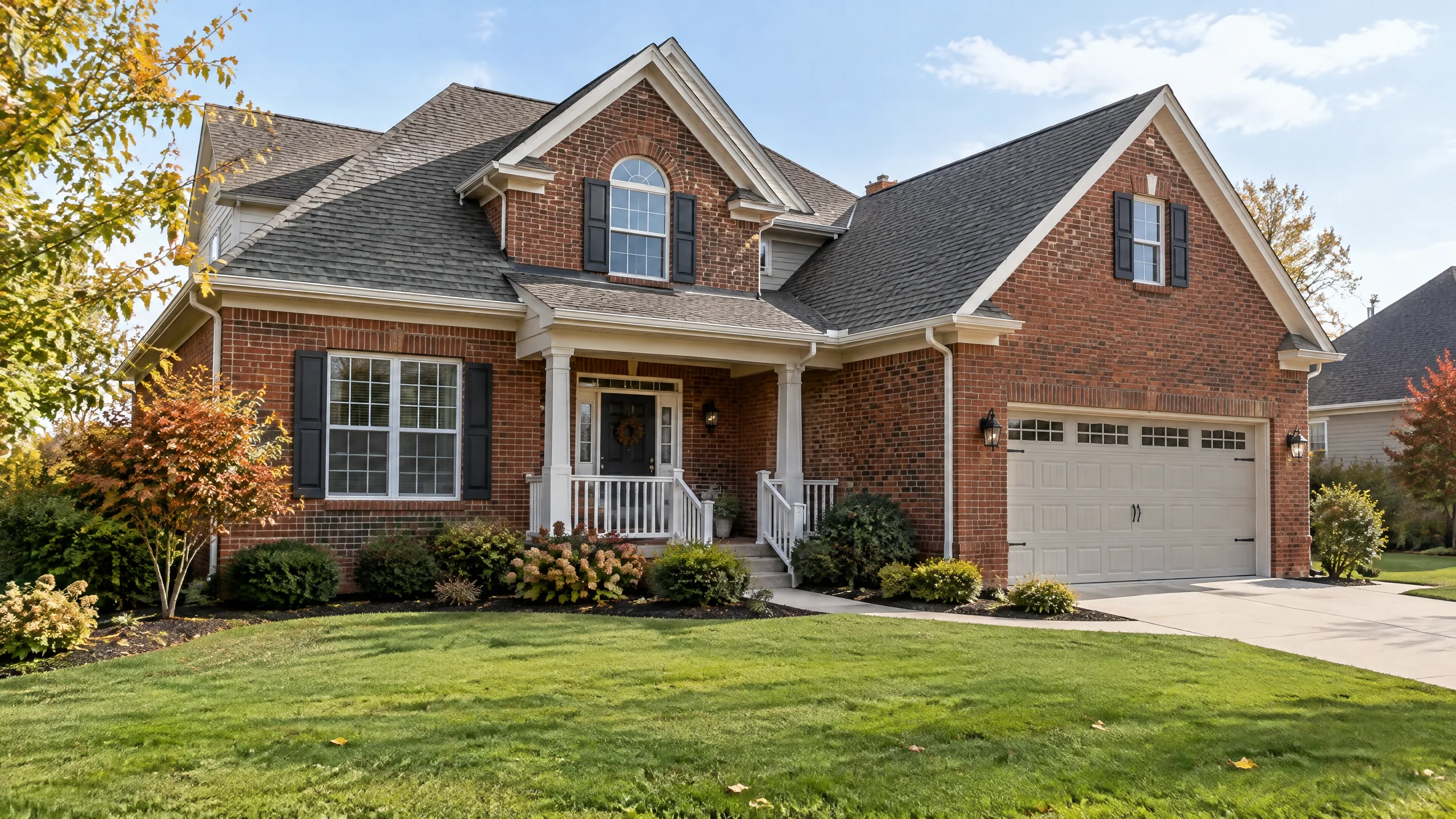
At a Fort Thomas property, the specific construction and access matter more than a neighborhood assumption. A painted post base, enclosed porch skirt, or stored belongings may hide the surfaces someone wants examined. A visual inspection describes what is available to see on that date; it cannot see through siding, trim, or masonry.
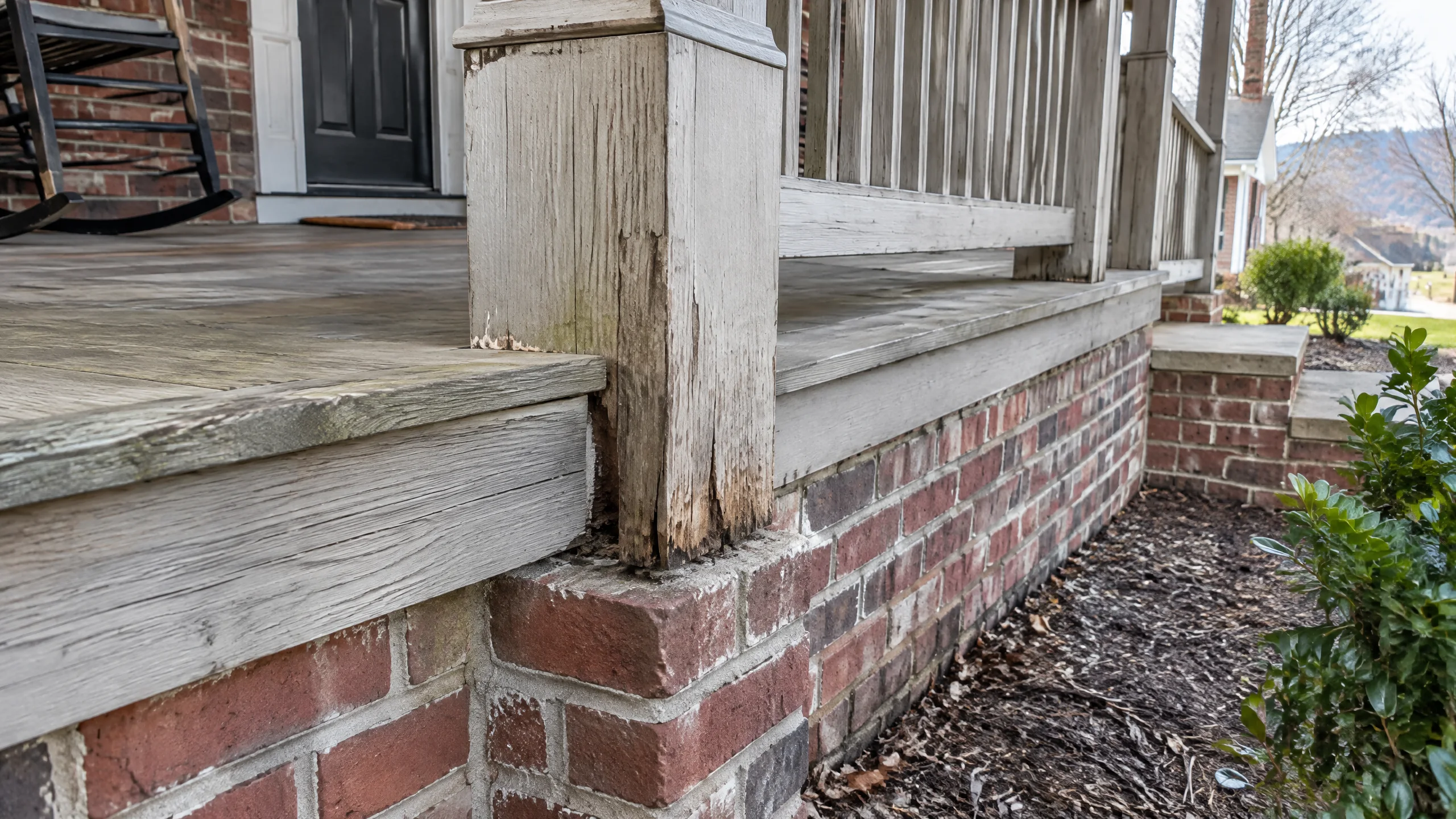
What to notice where wood meets masonry
Look at the connection rather than trying to diagnose it. Does a support touch soil or rest on a masonry pier? Is its end grain protected from rain, or does water collect nearby? Is a finish covering the joint? These are useful observations to share when arranging an inspection. Moisture or poor drainage is not proof of termites, but it is relevant context.
At an accessible porch perimeter, an inspector may look for earthen tubes along a foundation or support, altered wood, discarded wings, or insect material. Such clues have different meanings and should be considered with their location, condition, and access. The U.S. Environmental Protection Agency’s termite guidance describes swarms and damage as possible signs, while noting termites may remain concealed. A clue deserves attention, but one mark cannot establish what is happening behind a finished surface.
A suspicious mark is not confirmation
A crack in a coating, softened-looking wood, or debris may have more than one explanation. Weathering, water exposure, older repairs, or other insects can also change materials. The absence of an obvious tube or swarm does not prove hidden areas are clear. A useful distinction is between an observable clue and a conclusion about active infestation, extent, or cause.
For a purchase, ask which component showed evidence, whether it appeared current or historic based on visible conditions, and which areas could not be examined. If a report identifies possible or active insect evidence, a qualified pest-management professional can evaluate identification and treatment options. Five Star’s WDI service is an inspection, not pesticide application or a treatment warranty.
Access changes what can be seen
Porch storage, lattice, dense planting, low clearance, and finished enclosures can limit visibility. Before an appointment, if you have permission and can do so safely, move small movable items away from the area of concern and clear a path. Do not dismantle a porch, pry trim, or disturb suspected insect material. A photo of a change you noticed may help explain your concern, but it does not replace an on-site inspection.
Some areas may remain concealed even after access improves. A visual WDI inspection is not destructive testing; findings describe accessible conditions, not every hidden framing member. If a report notes a limitation, ask what was blocked and whether improved access or another evaluation is appropriate.
Choose follow-up that matches the finding
Start with the reported location and observation. Ask whether the inspector saw a visible sign, damaged material, or a condition that could allow access. Discuss transaction documentation with your agent or lender. If the question is about identifying a pest, determining activity, or selecting treatment, contact a qualified pest-management professional. Inspection and treatment answer different questions, and treatment decisions belong with that specialist.
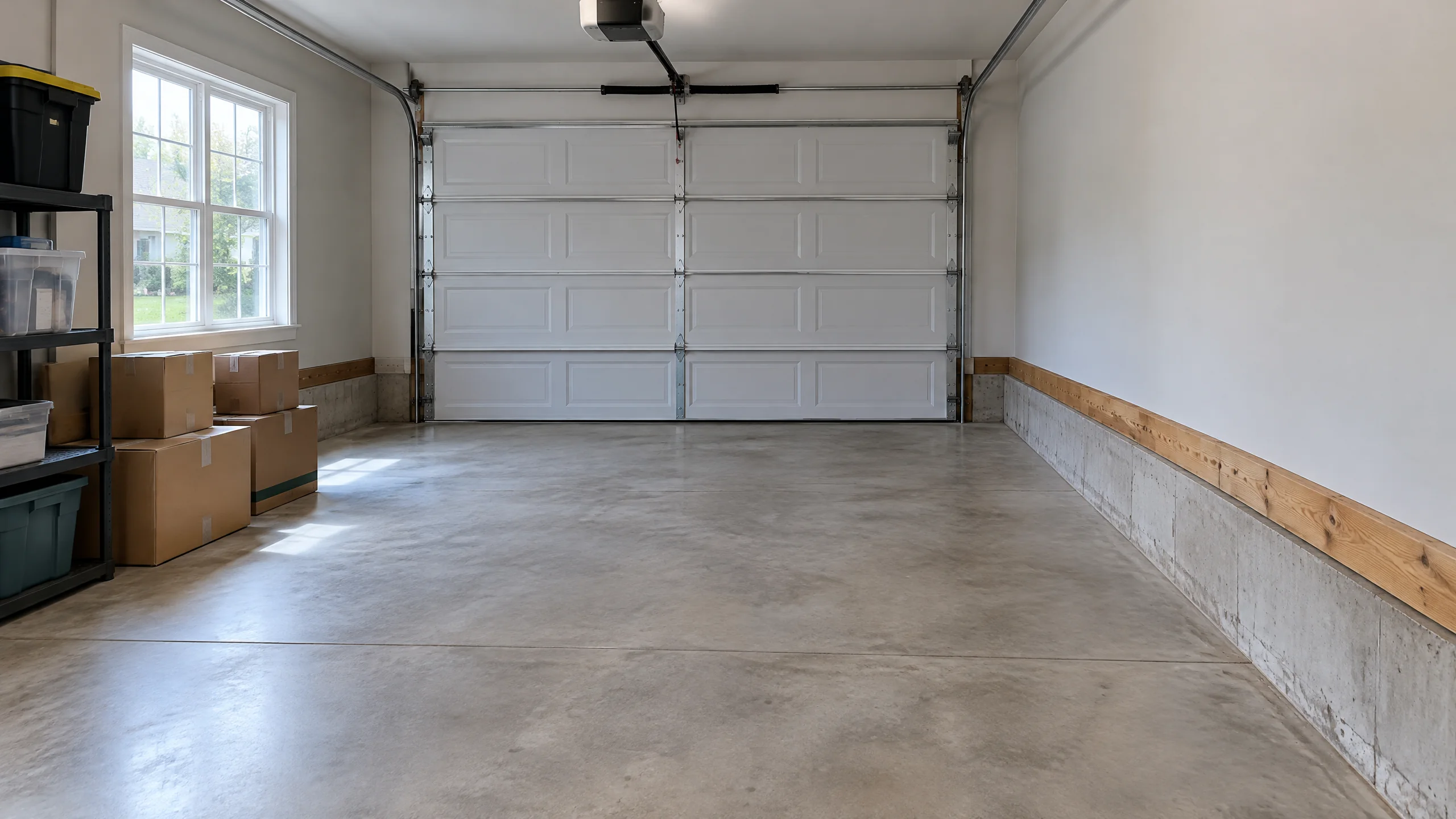
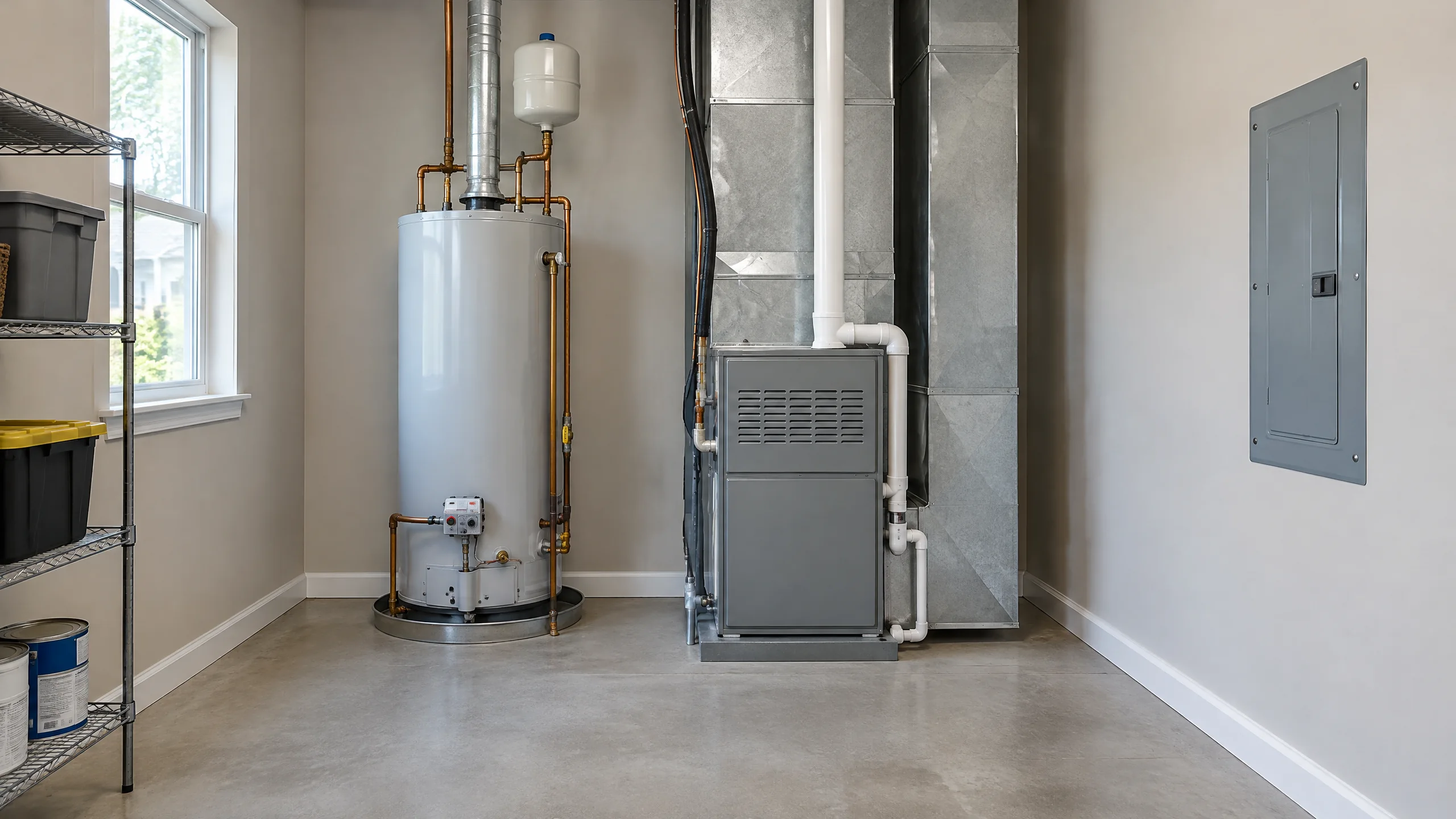
For related planning, see how garage storage can affect WDI inspection access and practical access planning for an occupied property. You can also turn report findings into focused follow-up questions.
Arrange a Fort Thomas WDI inspection
Five Star Home Inspections offers termite and wood-destroying insect inspections focused on visible evidence in accessible areas, including relevant exterior wood features and building connections. When requesting service, describe the porch detail that prompted your question and any access limitations you know about. Review the WDI inspection service or start a scheduling request for a Fort Thomas property. For Northern Kentucky scheduling questions, call 859-935-1560. A request begins coordination; confirm scope and appointment details with the company.