Why a finished basement still needs a measurement
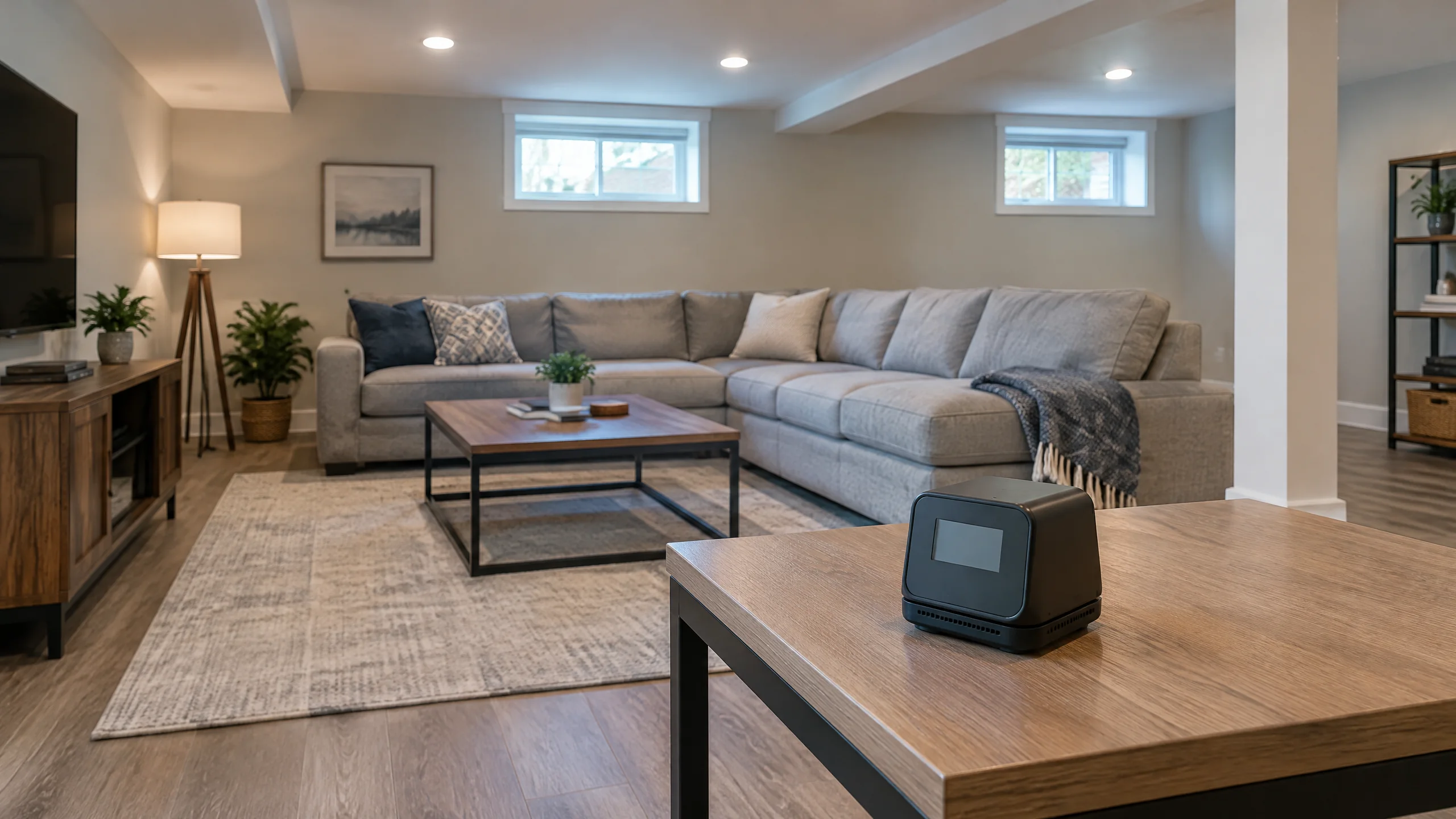
A finished basement can feel like a second living room, but carpet, drywall, and furniture do not reveal whether radon is present. Radon is an invisible, odorless gas that can enter from the ground. A walk-through cannot measure it, and the look of a remodeled lower level is no substitute for testing.
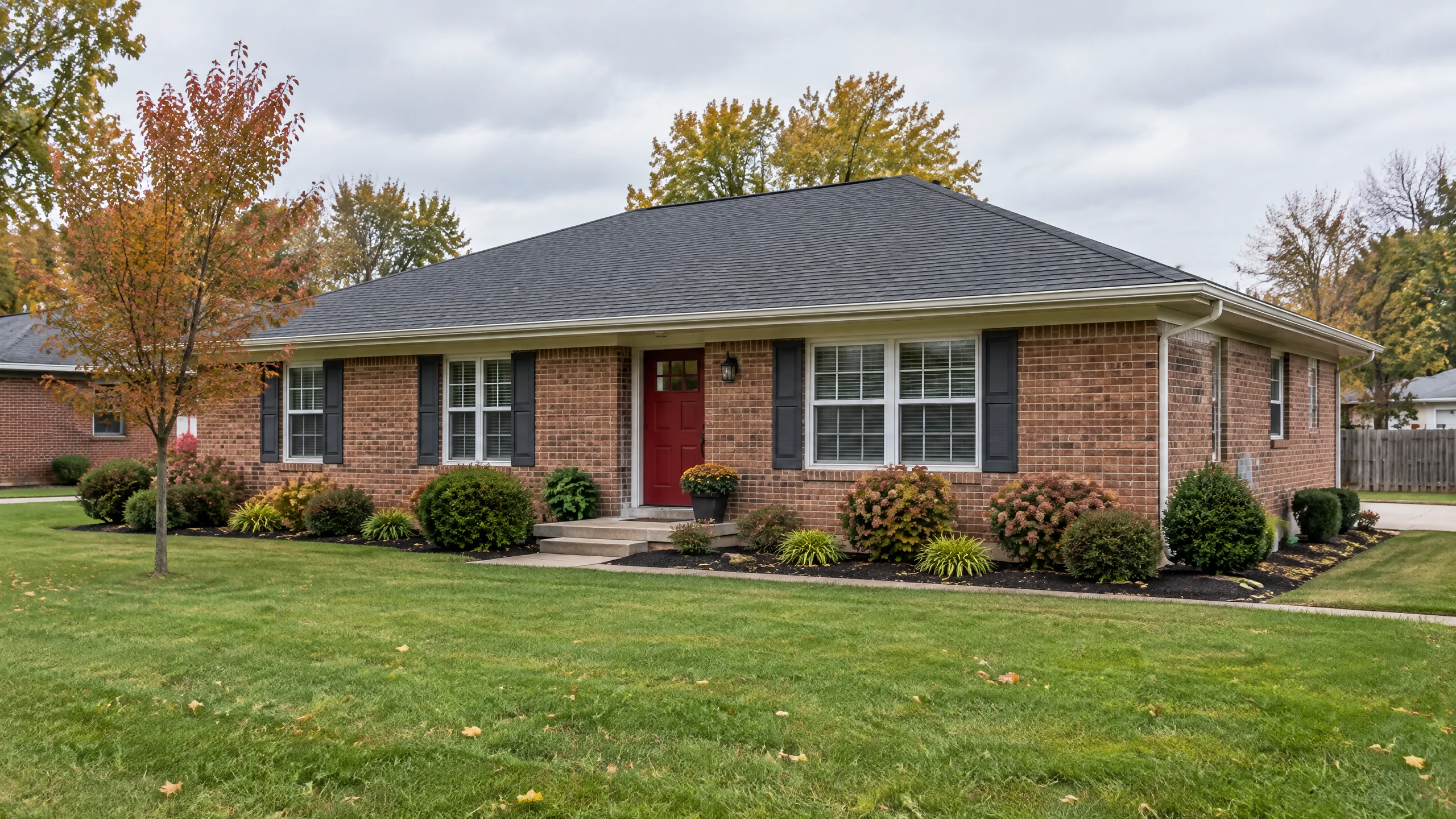
When buying in Mason, the useful question is not whether the basement looks dry or recently updated; it is whether a properly conducted test has measured radon in this particular home. Results from another house, even a nearby one, cannot tell you the concentration in the property you are considering.
Radon testing is separate from a visual home inspection. Five Star offers radon testing for Greater Cincinnati buyers and homeowners. Results describe the selected testing period.
Decide what the basement will be used for
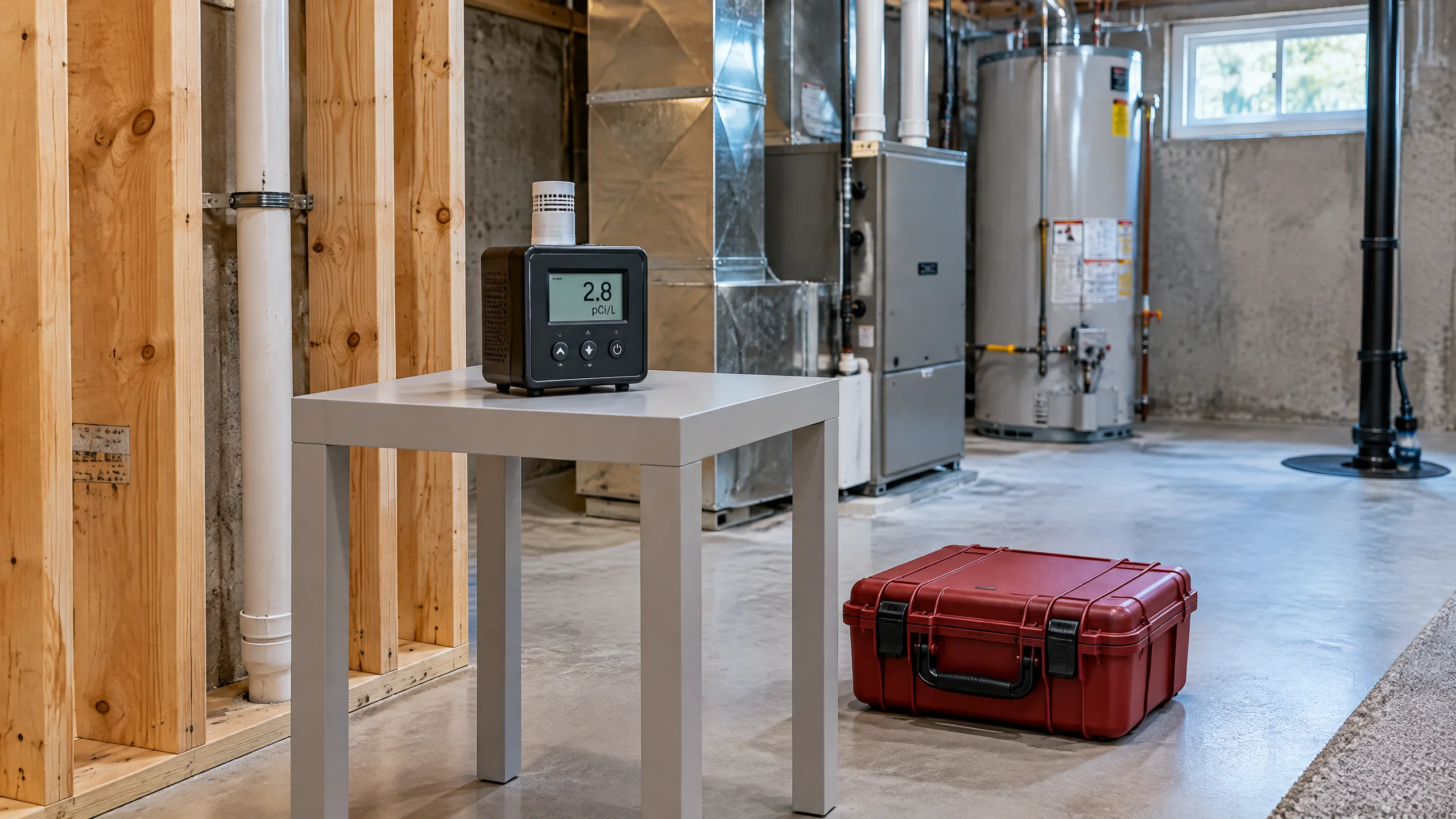
Consider how you expect to use the lower level. EPA says a device should be placed on the lowest level that could be used regularly, finished or unfinished. Intended use helps guide location.
Describe the lower-level layout rather than guessing where a device belongs. EPA advises against closets, stairways, hallways, crawl spaces, and areas with high humidity or air movement. Follow the tester’s protocol.
Read the EPA Home Buyer’s and Seller’s Guide to Radon for placement recommendations and testing guidance.
Plan the test around the transaction
Raise radon testing early in the inspection window so the parties can coordinate access, placement, occupancy, and time to review results. Ask whether it can be coordinated with other due diligence.
Make sure occupants know a device will be left in place. Avoid moving it or changing conditions around it. For short-term testing, EPA recommends keeping outside doors and windows closed except for normal entry and exit; a test lasting less than four days requires closed conditions for at least 12 hours beforehand. Device instructions differ, so follow the tester’s specific directions rather than treating general guidance as a substitute.
Confirm expected test duration and result timing with the provider and transaction contacts. The measurement period and result turnaround are not necessarily the same. Do not assume a result will arrive by a contract milestone until timing has been confirmed.
Read the result as a measurement, not a verdict
A report describes concentration during the test period. EPA notes that a short-term test is less likely than a long-term test to represent a year-round average.
EPA recommends fixing a home when a long-term result is 4.0 picocuries per liter (pCi/L) or higher and says to consider fixing when results are between 2.0 and 4.0 pCi/L. For a real-estate short-term test, EPA describes approaches using two short-term measurements or a continuous monitor; interpretation depends on the option. Discuss a concerning result with the tester and consult a qualified radon mitigation professional about evaluation and possible next steps. Testing and mitigation are different services.
A reading below an action guideline does not mean radon is absent, and an elevated result does not identify the right mitigation approach. Keep the report for follow-up.
Keep related inspection questions in scope
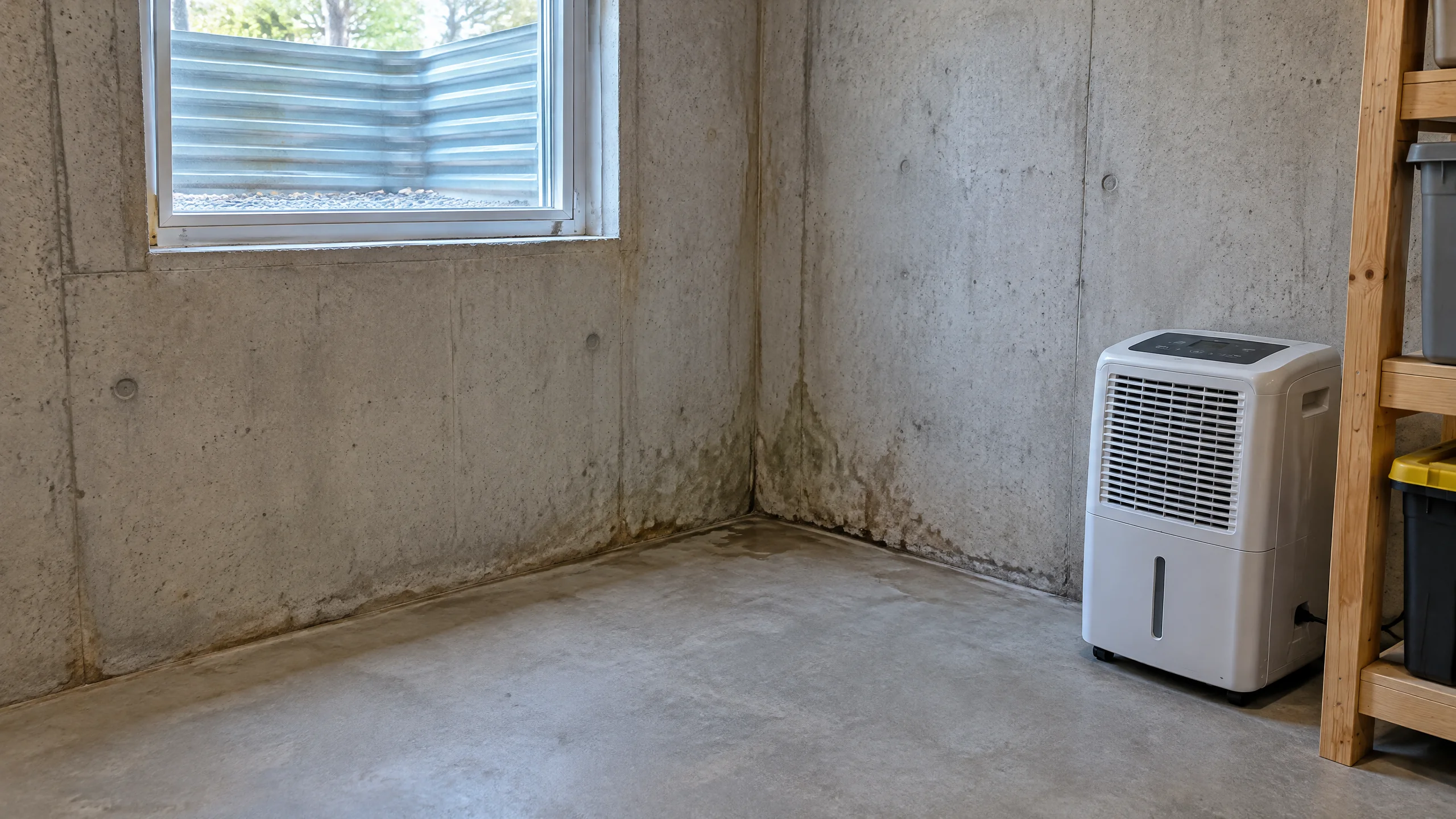
A home inspection documents observable conditions within its scope; a radon test measures concentration during its test period. Describe water staining or unusual finishes as separate concerns, not something a radon result diagnoses.
For a broader view, see how home inspection, radon, WDI, and mold testing answer different questions. If a result raises questions after the inspection, focused follow-up can turn report findings into useful next steps. Each service has its own scope; one result does not replace the others.
Make the request with useful details
When you request an inspection, mention radon testing, the finished basement, its expected use, access, and transaction timing. An online request is not a confirmed appointment until details are coordinated.
Five Star’s service is testing and reporting, not mitigation design or installation. Share any previous report and its test date when asking about follow-up. A planned measurement gives you property-specific information instead of assumptions based on finishes or nearby houses.