A damp basement corner is easy to dismiss when it dries between rainy stretches. But if the same patch darkens again, a musty smell returns, or stored items keep feeling clammy, the useful question is not simply “Is this mold?” It is what is allowing moisture to recur—and what a test can and cannot clarify.
Follow the basement pattern
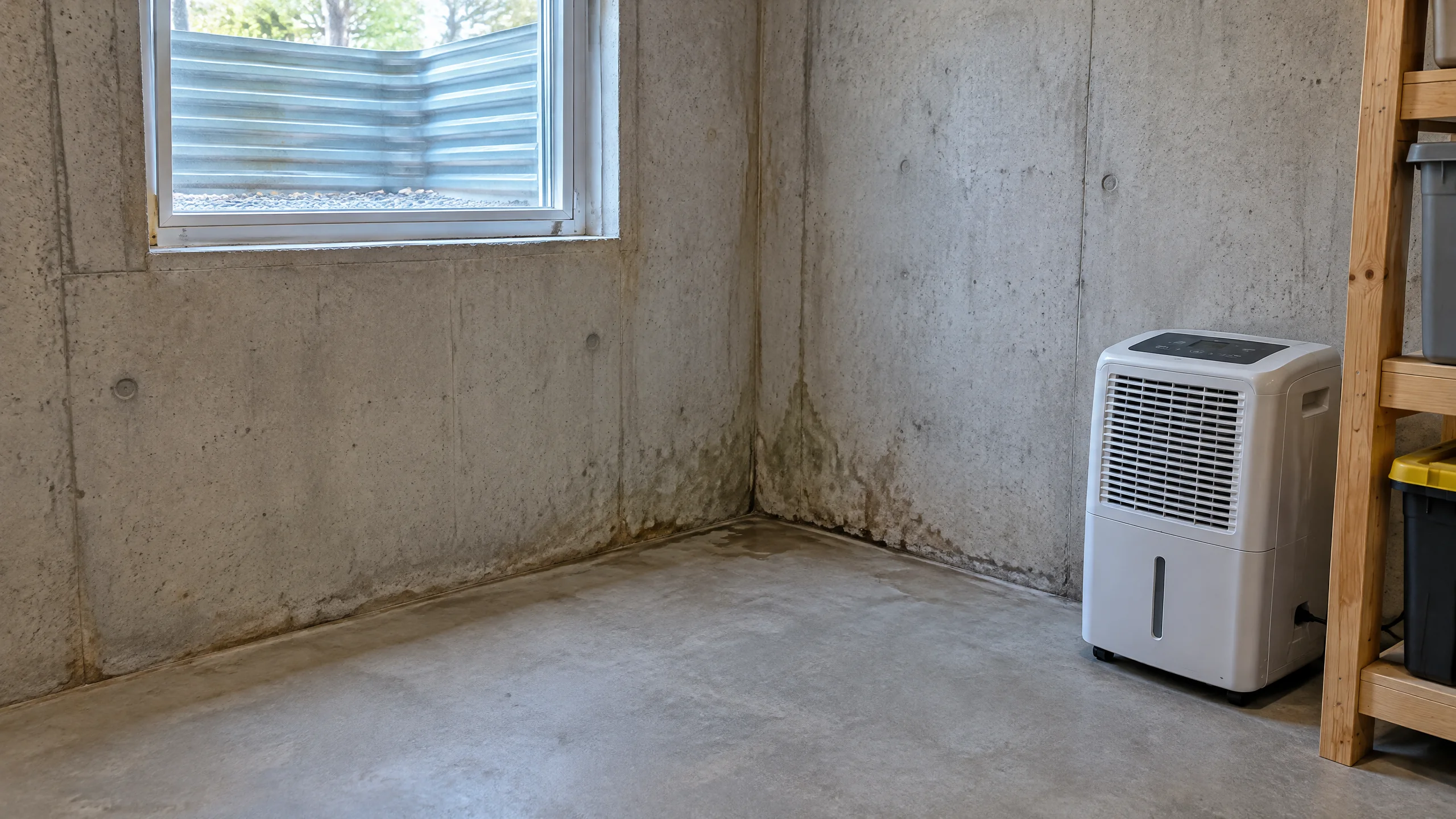
Start with a short record rather than a guess. Note where the dampness appears, when you notice it, whether it follows rain or a plumbing event, and how long it takes to dry. Photograph the same area from a similar angle when conditions change. Include nearby details such as a downspout, a floor-wall joint, a water line, a window well, or a condensation-prone pipe. These observations do not prove a cause, but they help distinguish a one-time spill from a repeating pattern.
Note any repaired leak, dehumidifier use, or new finish; a stain can remain after water is gone, and a clean surface may conceal earlier conditions. See the Blue Ash remodeling discussion for a related perspective.
Look for water paths, not a townwide rule
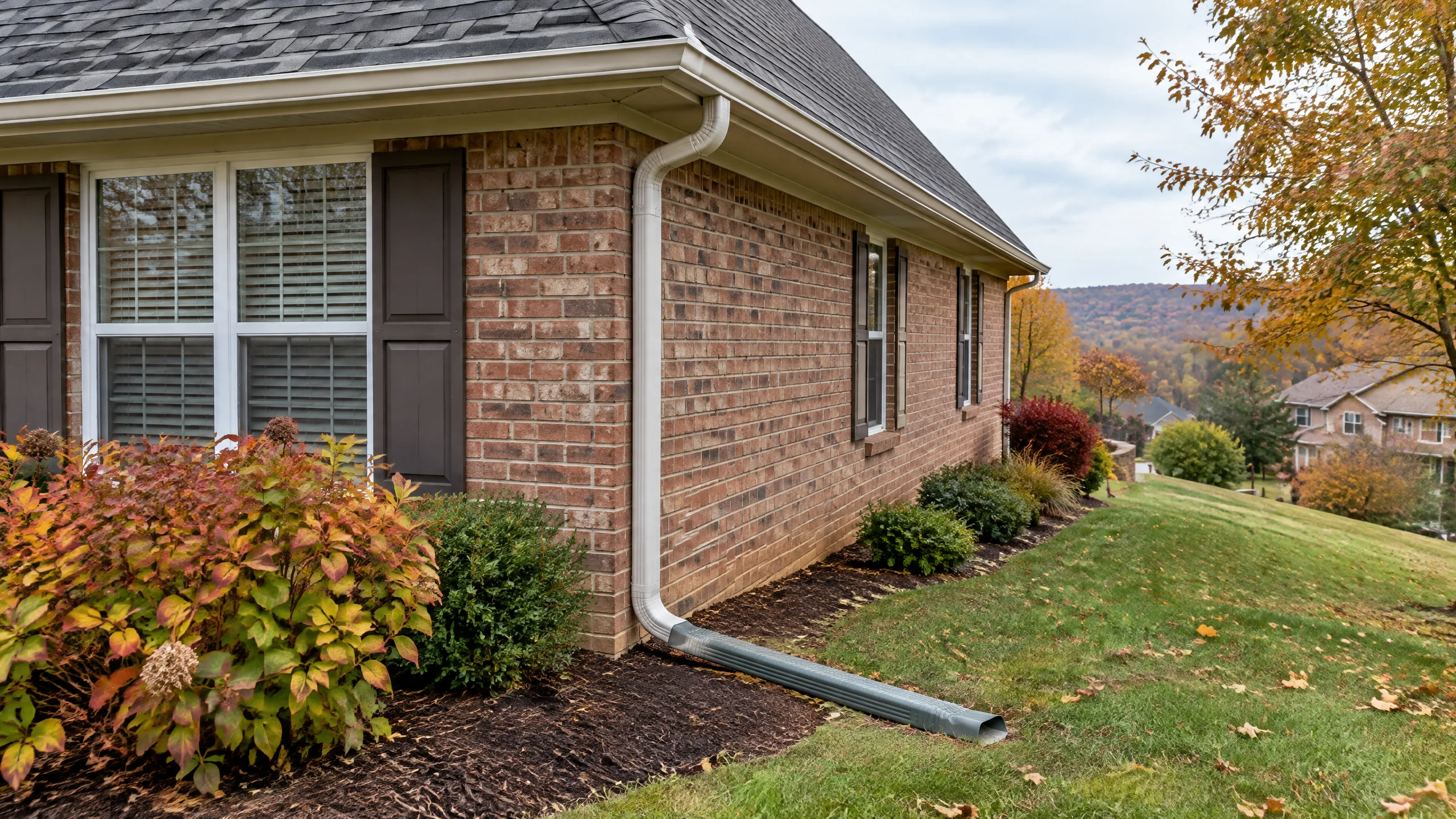
Basement moisture can arrive by different routes. Rainwater may collect near a foundation if gutters discharge beside it or the ground directs runoff toward the house. A plumbing leak can wet one localized area. Humid air meeting a cool surface can leave condensation on pipes or walls. Past seepage may leave staining even after conditions change. The same visible mark can therefore have different explanations, and a home’s location in Loveland alone does not establish whether it has a mold or drainage issue.
Notice whether the dampness is concentrated near one wall, follows a pipe, appears after storms, or shows up across several cool surfaces. Check for musty odor, peeling or bubbling finishes, rust on nearby metal, and materials that feel persistently damp. Avoid opening walls or pulling apart finishes just to look; disturbing a concealed area can spread dust and does not replace a planned evaluation. Roof-to-ground drainage clues are discussed in this related guide to drainage observations.
Separate observation from sampling
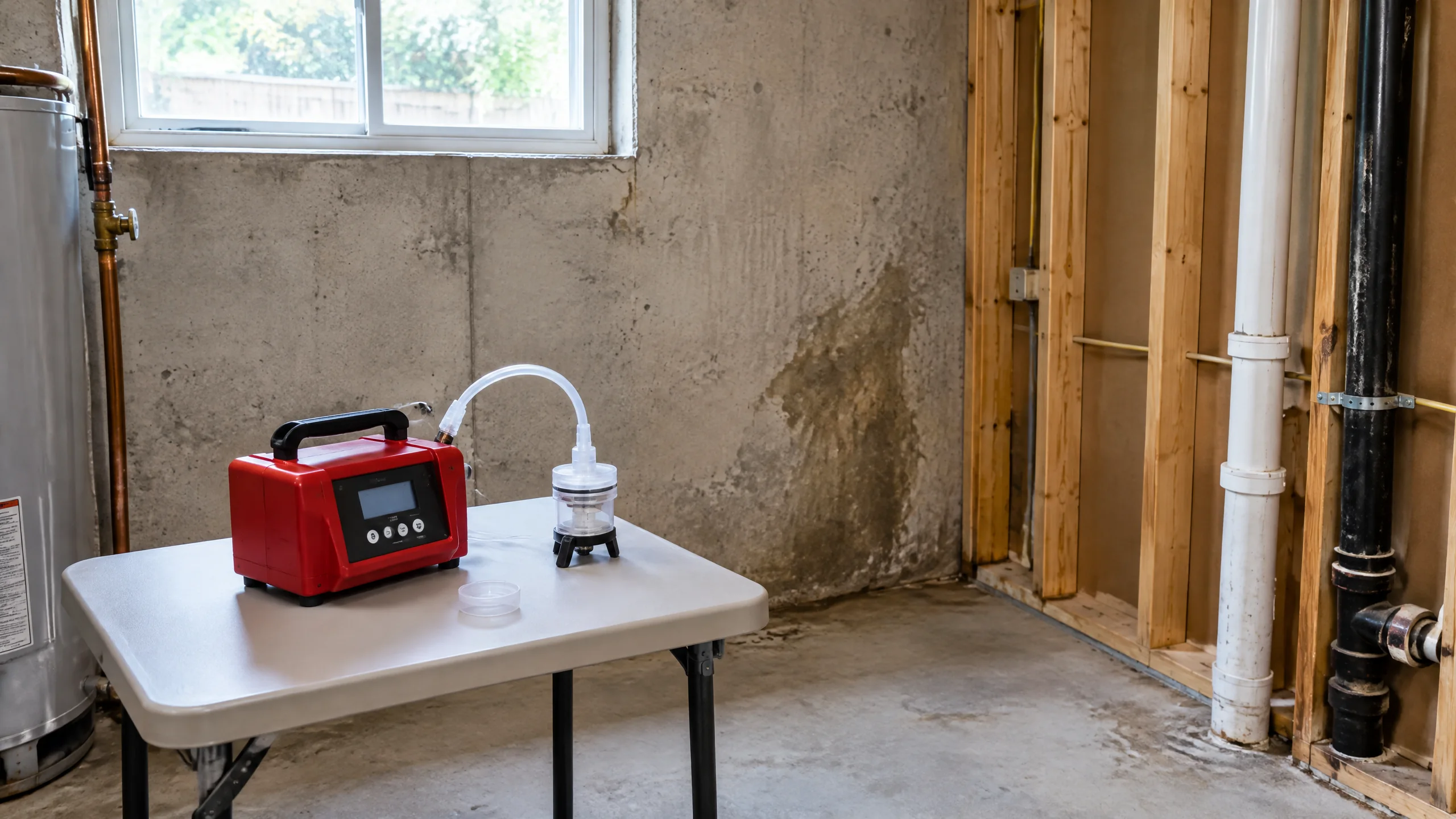
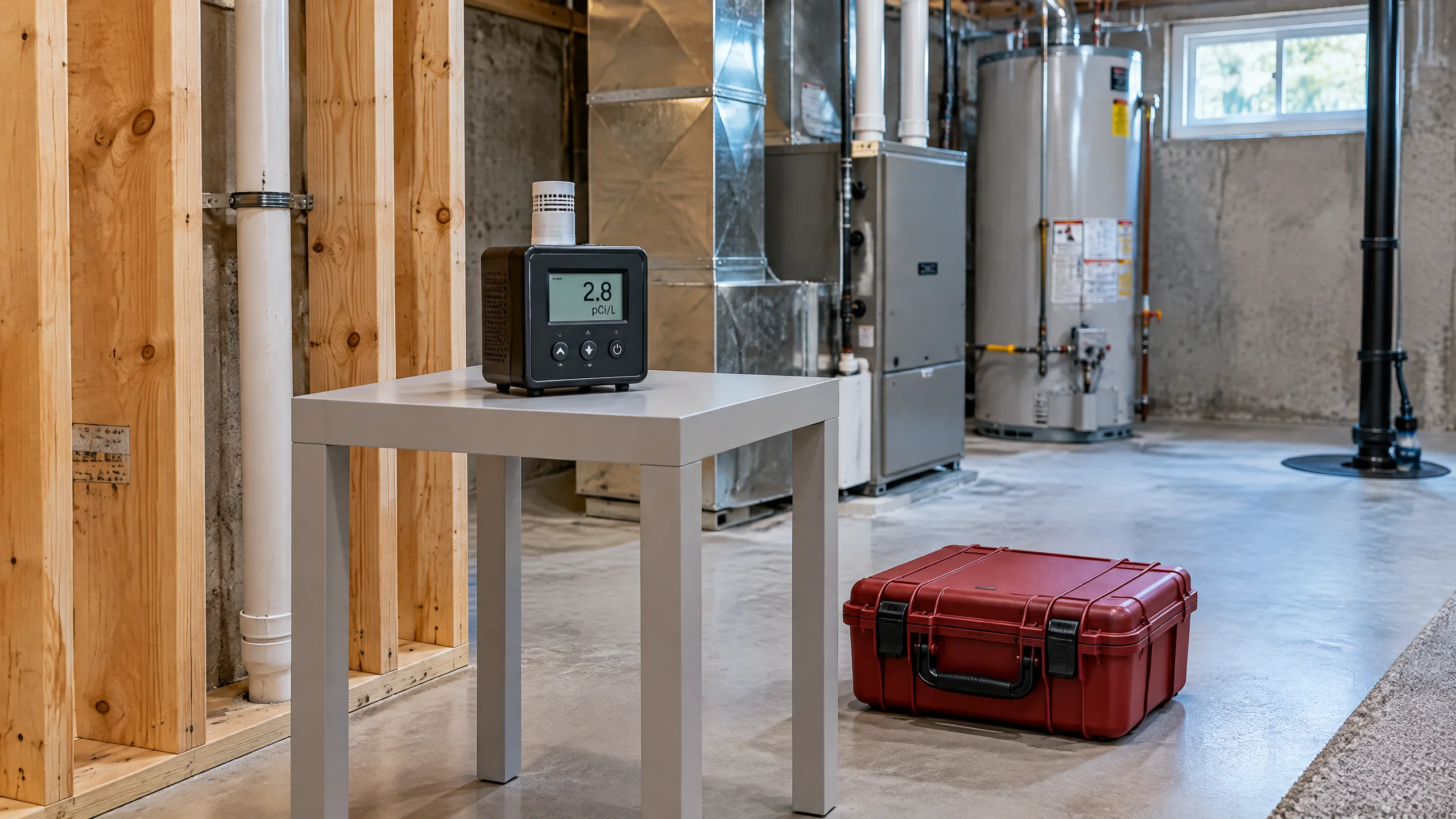
A visual observation describes what is accessible on the day of a visit. Sampling is different: it collects material or airborne particles from a defined place and time. A sample does not, by itself, tell you where moisture entered, how long a condition existed, or what may be behind inaccessible finishes. Results need to be interpreted with the room’s conditions and the question the sampling was meant to address.
The U.S. Environmental Protection Agency says sampling is usually unnecessary when visible mold growth is present and notes that no federal limits have been set for indoor mold or spores; EPA’s mold sampling guidance explains why a result is not a pass/fail safety certificate. If growth is apparent, moisture control and appropriate cleanup remain central. A test may be useful when there is a specific documentation or investigation question, but it cannot certify that an entire home is mold-free or diagnose anyone’s health.
What a moisture history can clarify
Put the timeline beside the clues: dampness after rain may point toward drainage or entry points; moisture beside a pipe may warrant plumbing follow-up; beads on cold surfaces can suggest condensation. These are directions for follow-up, not conclusions from a stain. EPA guidance emphasizes correcting water problems and drying wet areas promptly, so active intrusion should be addressed rather than sampled in isolation.
Choose a next step that fits the question
Five Star Home Inspections offers mold testing in the Northern Kentucky and Greater Cincinnati service area. The company’s service information describes testing as a snapshot that can add context to visible conditions and moisture history; it does not locate a leak, perform cleanup, or promise a mold-free home. Share the room, the recurring pattern, any known water event, and the decision you are trying to make so the requested scope can be discussed clearly.
Depending on what is found, follow-up could involve a plumber, drainage contractor, or qualified remediation provider. Extensive damage, concealed conditions, or contaminated water may call for specialized evaluation. Health concerns belong with a health professional rather than a property sample. If you are comparing tests with a general inspection or another service, this guide explains how those different questions fit together.
For a Loveland property, you can send a scheduling request with the property details and your moisture notes; the request is reviewed before an appointment is confirmed. To ask about service in Ohio, call Five Star Home Inspections at 513-327-8275.