Start with the property, not the paperwork
A purchase timeline can make every question feel urgent. A better first step is to separate what you want to learn about the house from the decisions, deadlines, and conversations that follow in the transaction.
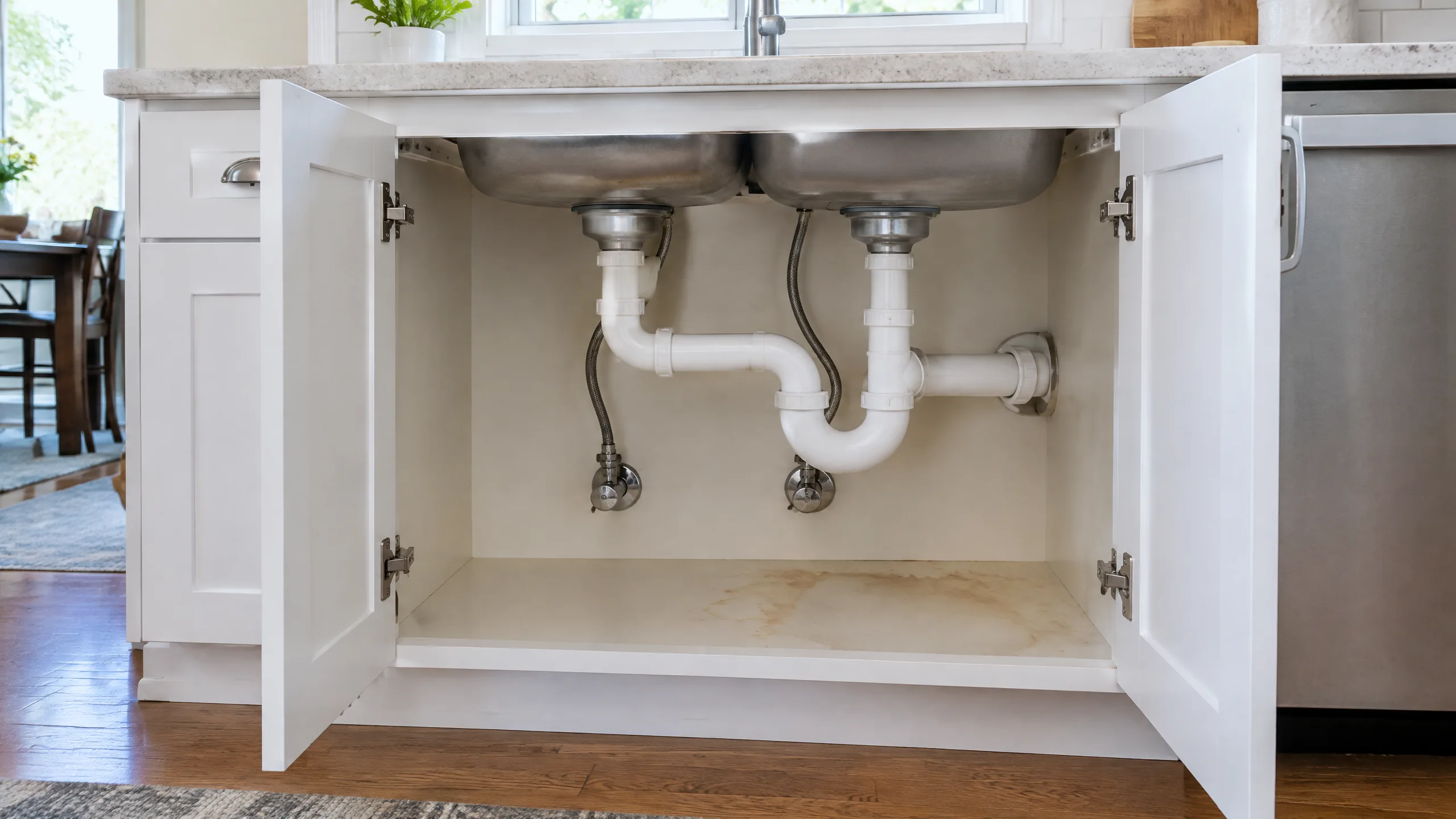
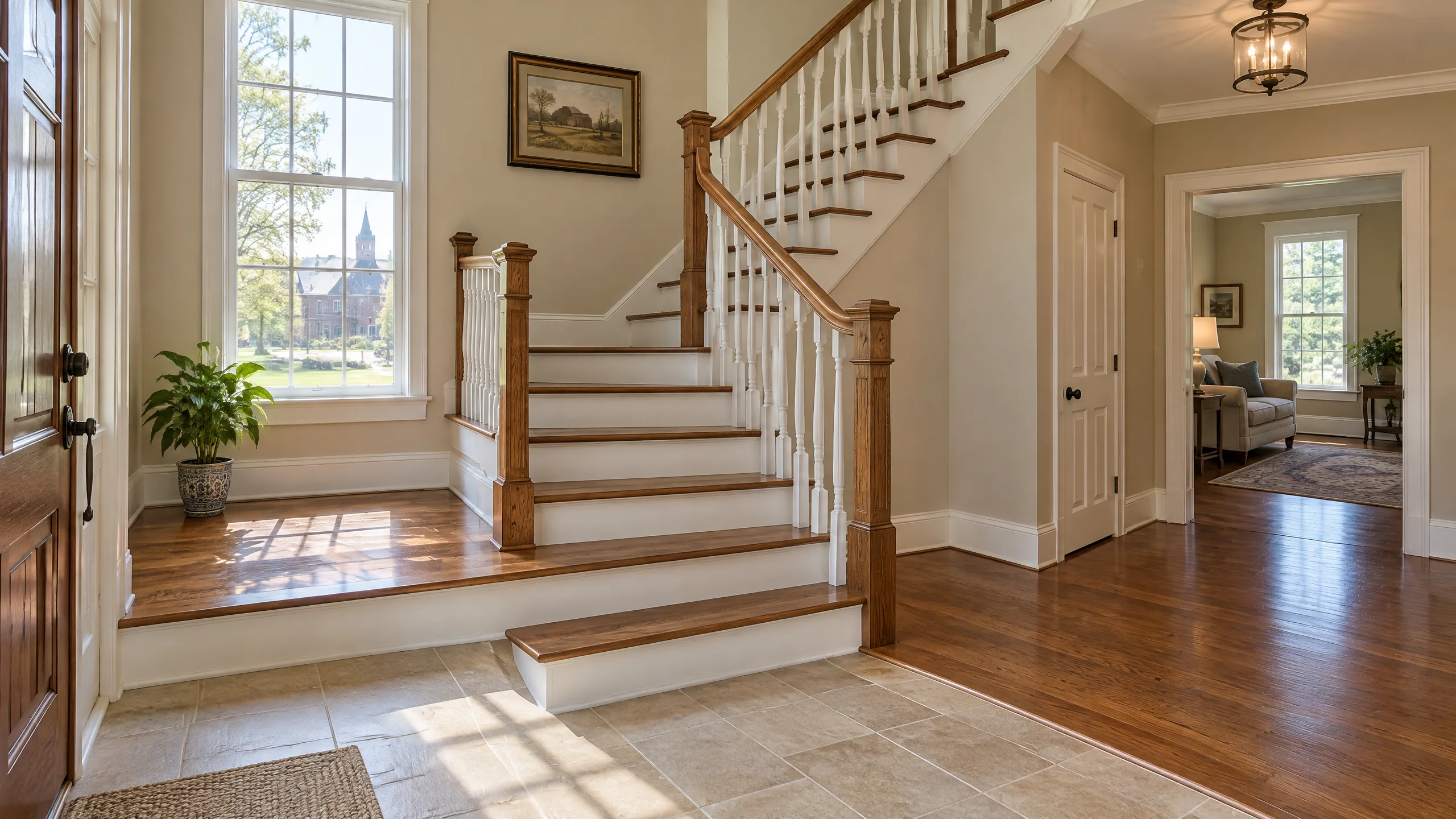
Before requesting an inspection, write down the conditions that caught your attention during the showing, in the seller disclosure, or in repair records. A stain beneath a sink, an older heating system, an attic hatch that was not opened, or a remodeled stairway can become a clear property question rather than a vague worry.
Build a question list that fits the visit
Group your notes by location and by the kind of answer you need. This makes it easier to tell the inspector what matters to you without assuming the visit can diagnose every cause or set a repair price.
- Visible-condition questions: What can be observed at the component or surrounding area?
- Access questions: Is an attic, crawlspace, panel, or mechanical area available for a safe visual review?
- Record questions: Which prior repair, service, or installation documents would add useful context?
For example, a cabinet mark may lead to a focused question about accessible plumbing evidence; our related guide on reading the evidence under sinks explains why history and an observed active leak are different findings. A concise list leaves room for the inspection to identify other visible conditions as well.
Know what a visual inspection can establish
InterNACHI’s Standards of Practice describes a general home inspection as a non-invasive, visual examination of accessible areas that reports observed material defects on the inspection date. That framework is useful when deciding which questions belong in a whole-home inspection and which may call for a separate evaluation.
Observation is useful, even when it is not certainty
Five Star’s home inspection service looks at visible, accessible systems and components when conditions allow, including areas such as the exterior, structure, plumbing, electrical, heating, cooling, attic, basement, and crawlspace. Concealed, unsafe, shut-down, or blocked areas can limit what is reviewed, so an inspection is not a prediction, warranty, code certification, or a conclusion about every possible condition.
That distinction can sharpen your priorities. If a question depends on opening walls, testing a specialized system, or determining why a condition exists, ask whether documentation or an appropriately qualified specialist would be more useful.
Keep inspection roles separate from transaction roles
The inspector’s role is to observe and report conditions within the agreed scope. A contractor or specialist can assess a trade-specific concern, explain repair options, or provide an estimate when that work is needed.
Your real-estate professional can help coordinate the transaction process and explain practical next steps; direct questions about your agreement, deadlines, or negotiation choices to the appropriate transaction or legal professional. Keeping those roles distinct helps prevent a property observation from being mistaken for a decision about the deal.
Prioritize the information before choosing a response
After the visit, sort findings by the information still needed rather than by a rush to label items as deal-breakers. Consider whether the report describes a visible condition, a limitation in access, routine maintenance, or a reason to seek a more specialized opinion.
Records and visible conditions can be especially helpful when a home has been altered over time. For a related example, see how stairway transitions after remodeling can focus questions on what is visible without turning an inspection into a compliance determination.
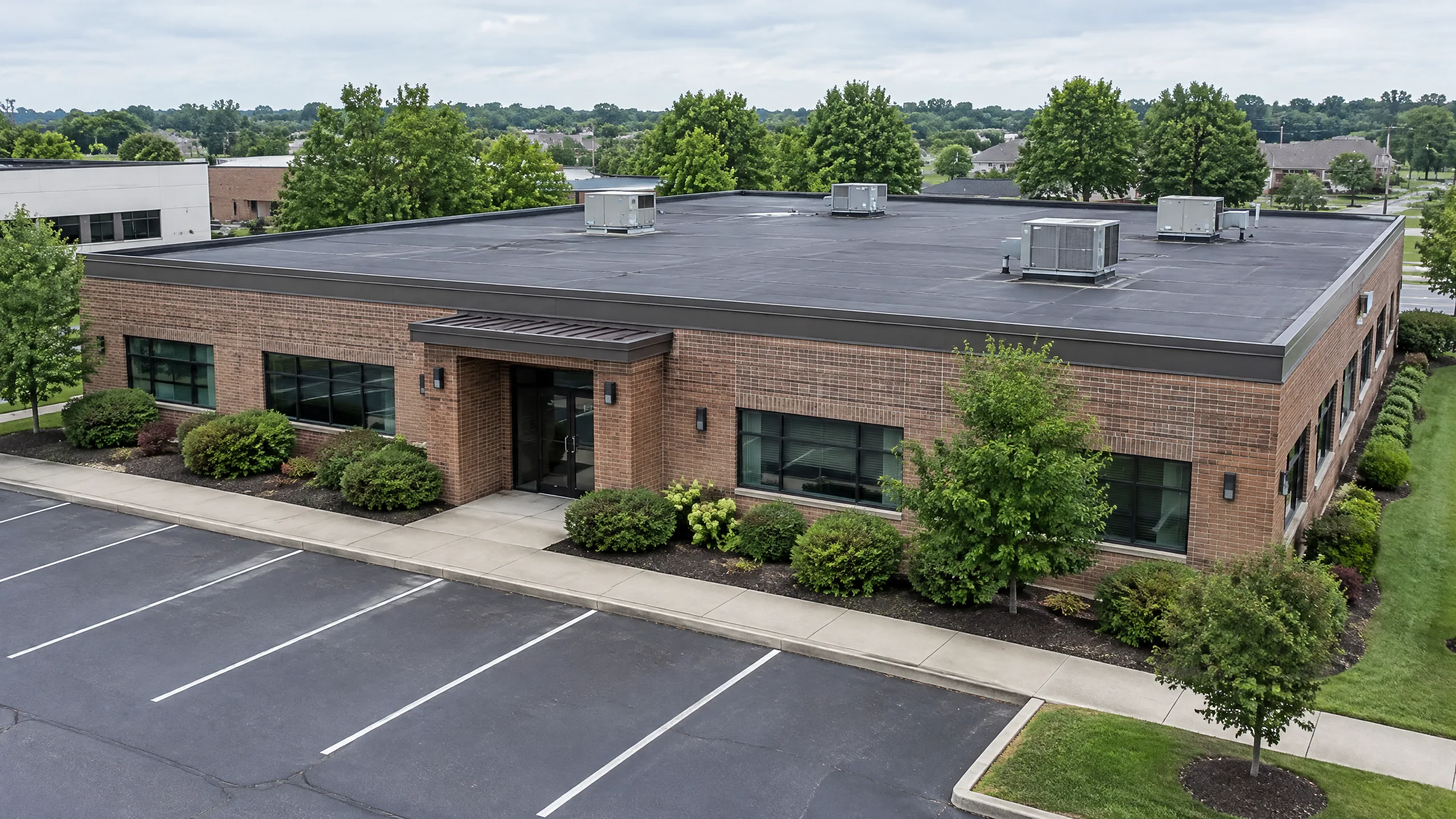
When a roof concern is part of the picture, connecting roof records with visible conditions offers another way to separate documentation from a warranty. The choice of what to pursue, request, or discuss remains yours, informed by the report and the professionals you choose to consult.
Make the appointment support the next conversation
Share your most important property questions before the appointment and, where practical, arrange access to relevant areas and documents. Bring up a concern during the visit if you can, then read the complete report before deciding what follow-up information would be useful.
This planning happens before report follow-up, not instead of it. For a later-stage resource, read After the Inspection: Turning Report Findings Into Focused Follow-Up, or schedule an inspection when you are ready to begin a property-focused conversation.