A low-slope roof can hold years of maintenance decisions that are not obvious from the parking lot. For a Lebanon commercial property, a more useful inspection conversation pairs what is safely reachable and visible on the day with records that describe past work. They organize questions without making paperwork or a walkthrough a warranty.
Begin With Access and Records
Before the appointment, a property manager can identify roof access routes, sign-in procedures, occupied areas, locked mechanical spaces, and site requirements. It clarifies which areas may be observable. Available roof plans, invoices, leak reports, warranty documents, and repair notes also help.
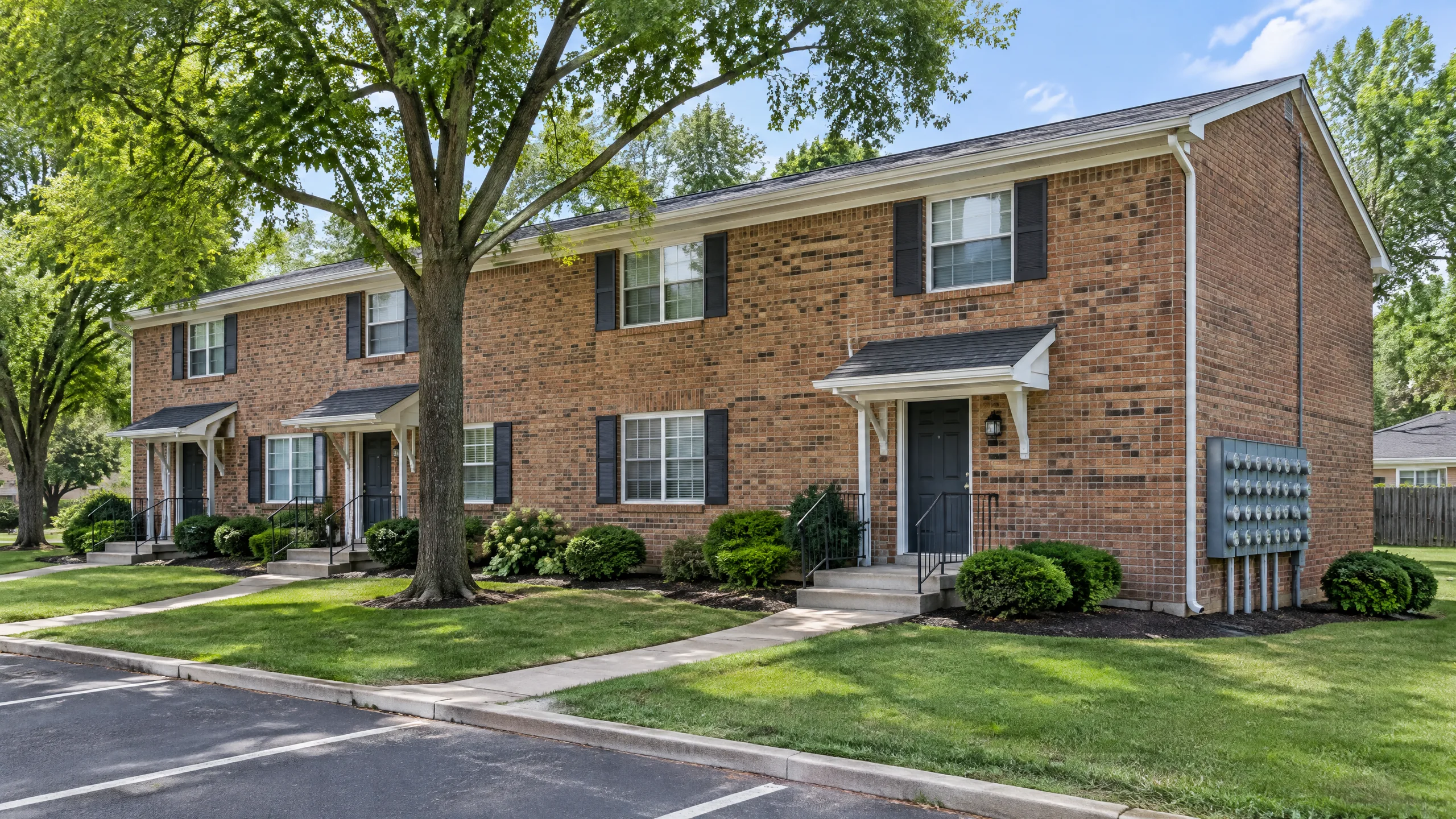
Records work best when dated, located, and clearly described. A receipt labeled “roof repair” offers less context than one that identifies a drain, curb, seam, or roof section. The same advance coordination can clarify building-system locations, as discussed in utility-location planning for multifamily properties.
Put Visible Conditions in Context
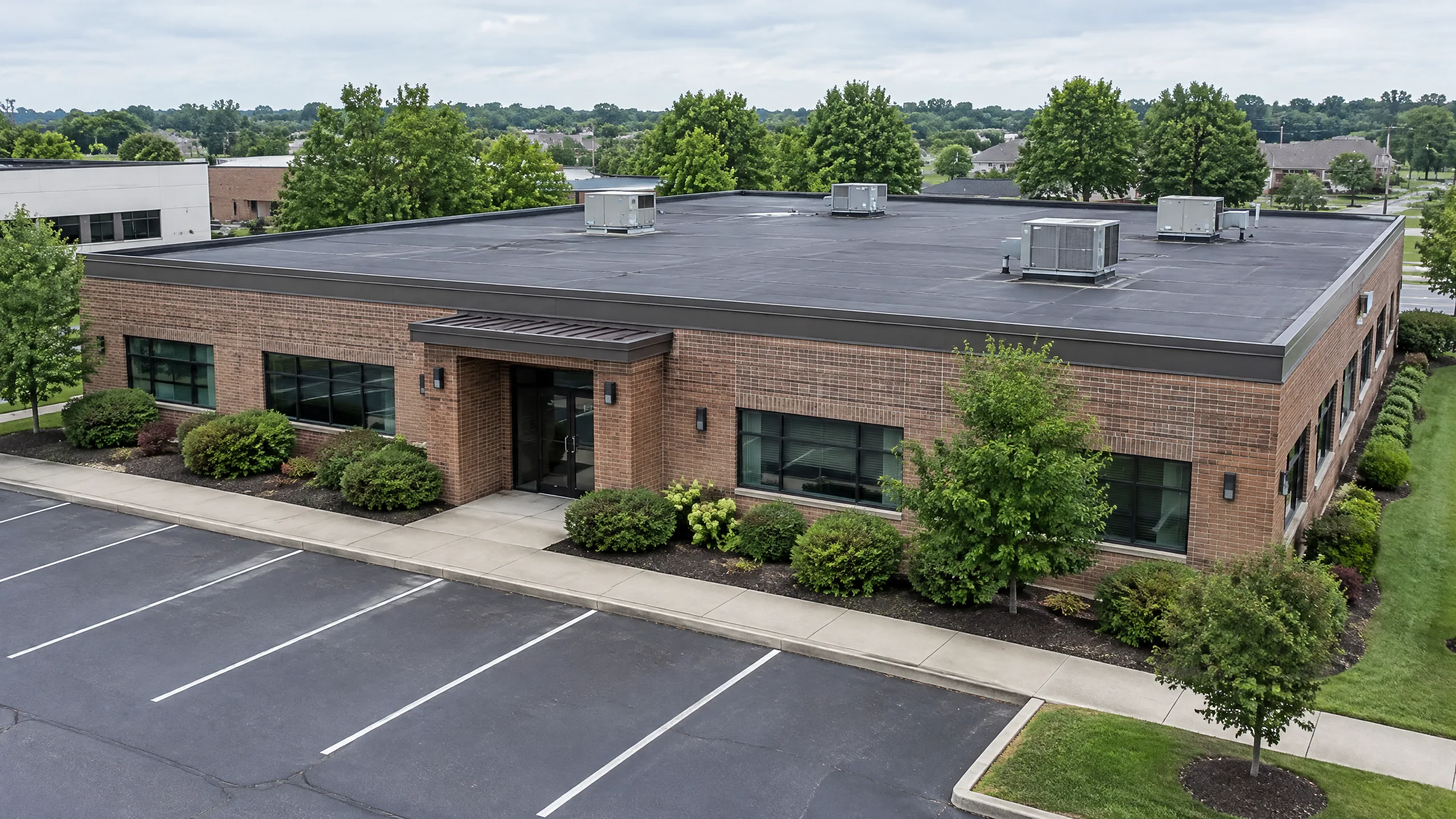
When a low-slope roof surface can be reached safely, visible observations may include the general surface condition, accessible seams, edges, flashings, drains, and penetrations near rooftop equipment. Ceiling staining below, apparent ponding marks, or a maintenance note about a prior leak may add context. None of those clues alone identifies every layer below the surface or confirms the cause of a symptom.
A snapshot, not a roof verdict
Weather, access, roof covering type, equipment, and building operations all affect what is visible during a visit. A commercial inspection is a visual, non-invasive assessment of accessible conditions at that time, not a destructive investigation or an engineering analysis. That distinction keeps a sound-looking area from being overread and a visible concern from being casually dismissed.
Match Records to Observations
Records can help connect a visible patch, different membrane color, or changed flashing detail with known repair history. They may also point to locations that merit careful attention. Still, a record of completed work does not establish current watertightness, remaining service life, or the condition of concealed materials; it adds history to the visible picture.
An observation without records is still worth documenting by location and apparent condition. This can give a roofing professional a clear starting point for a later conversation. For a broader approach to organizing those conversations, see After the Inspection: Turning Report Findings Into Focused Follow-Up.
Look Beyond the Field Membrane
Low-slope roofs manage rainwater through connected details, not only through the field membrane. The EPA’s Moisture Control Guidance describes flashings and lapping materials as part of shedding rainwater and calls for maintenance documents that address scheduled inspection and repair. Reachable drains, perimeter details, equipment curbs, and penetrations therefore provide meaningful points of observation.
- Can a drain or scupper be observed?
- Do records identify work at a penetration or edge?
- Do interior notes correspond with the roof location?
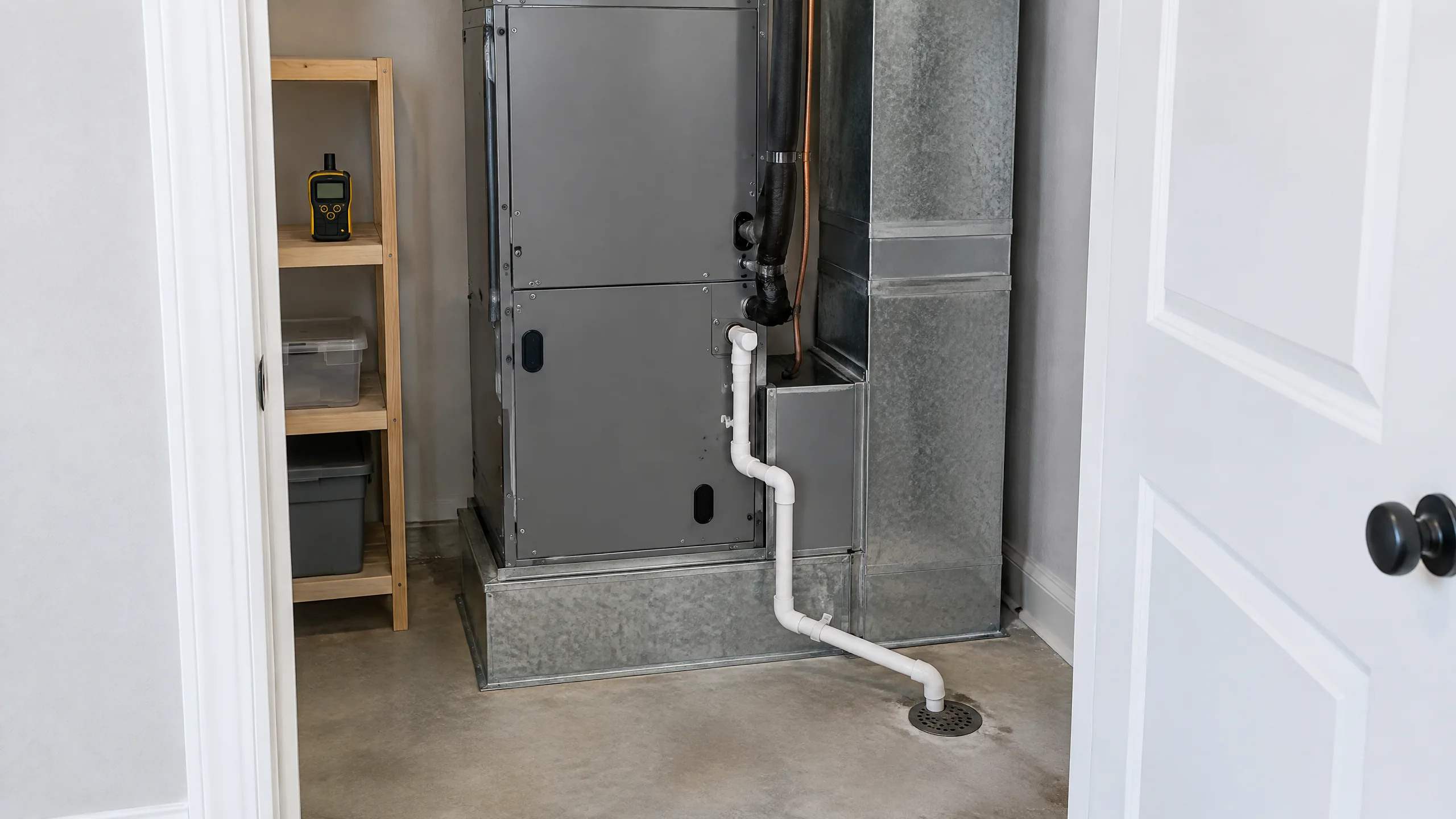
These questions build understanding; they are not roof-work instructions. They can also complement visible condensate-management questions at rooftop equipment. See where air-conditioning condensate goes for that separate moisture-management topic.
Know What an Inspection Cannot Settle
A visual commercial inspection does not certify a roof, verify every warranty requirement, determine code compliance, or predict future performance. Concealed moisture, membrane adhesion, structural capacity, drainage design, and repair specifications may require methods and expertise beyond a visual inspection. When visible conditions, recurring reports, or incomplete records raise a focused concern, a qualified roofing consultant or contractor may be the appropriate next resource.
A referral is not a conclusion that a failure exists. It is a practical way to move from an observed question to the type of evaluation needed to answer it. Separating property observations from transaction choices can also keep the right people involved; explore property questions versus transaction decisions.
Plan a Useful Lebanon Inspection
Five Star Home Inspections provides commercial building inspections that consider accessible, visible components in the context of the building and agreed scope. Sharing roof access information, occupancy constraints, known concerns, and available maintenance records beforehand helps make the visit more productive. The report can document observed conditions and identify items for maintenance, monitoring, records review, or specialist discussion.
If you are evaluating a Lebanon commercial building or organizing maintenance questions, schedule an inspection and describe the property, access arrangements, and information you hope to review. A property-specific conversation can clarify the inspection approach before the appointment.