A Fan Is Not the Full Answer
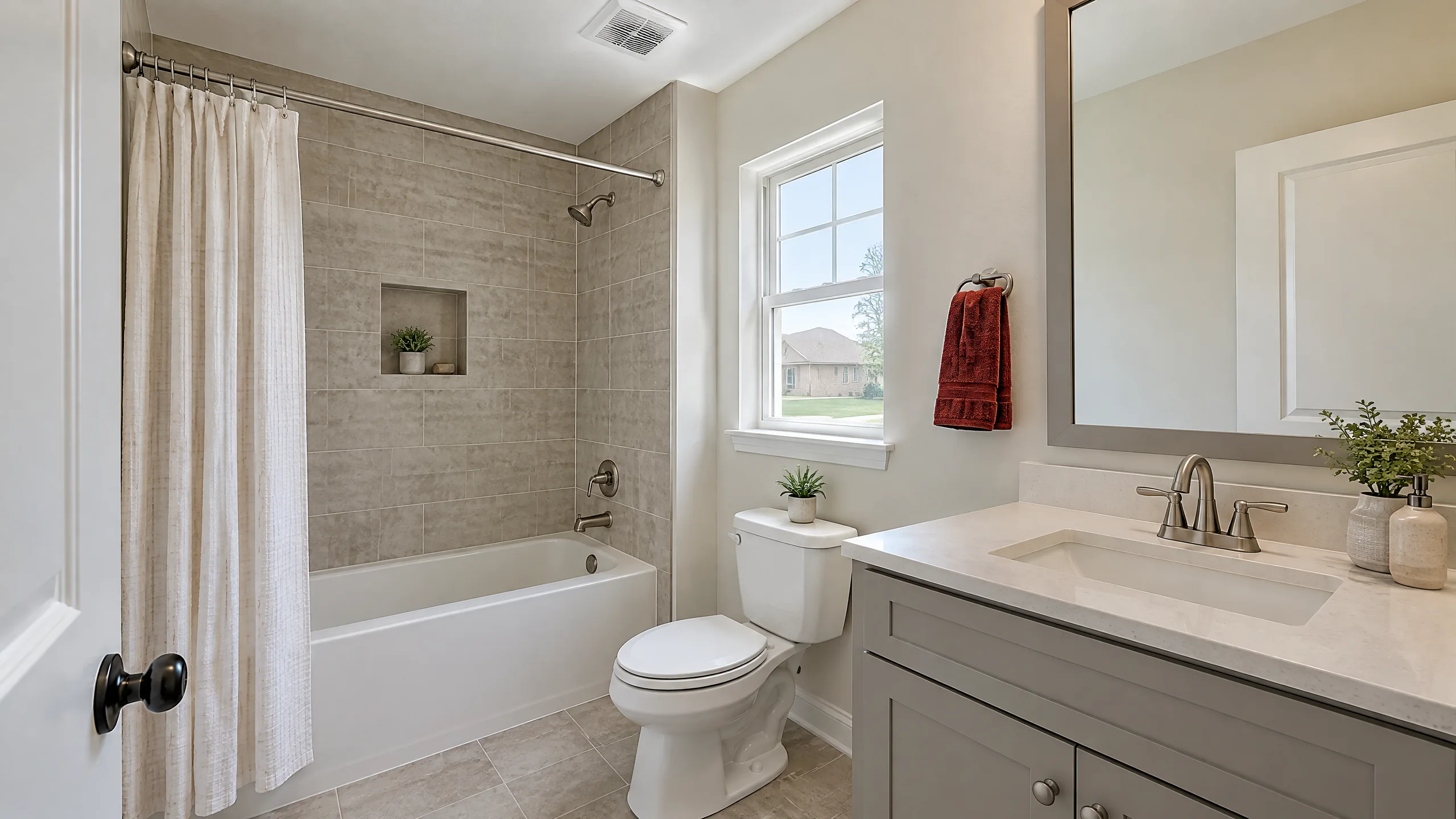
A bathroom fan that hums when its switch is on only shows that its motor operates. In a Union home, the more useful inspection question is where moisture-laden air goes after it enters the ceiling grille. A visible fan does not, by itself, establish a complete duct route or an exterior termination.
A home inspection can consider visible, safely accessible conditions, and may include the fan, accessible attic areas, and exterior components. Concealed duct sections, blocked access, weather, and safety conditions can limit what is observed.
Trace the Visible Route
From grille to termination
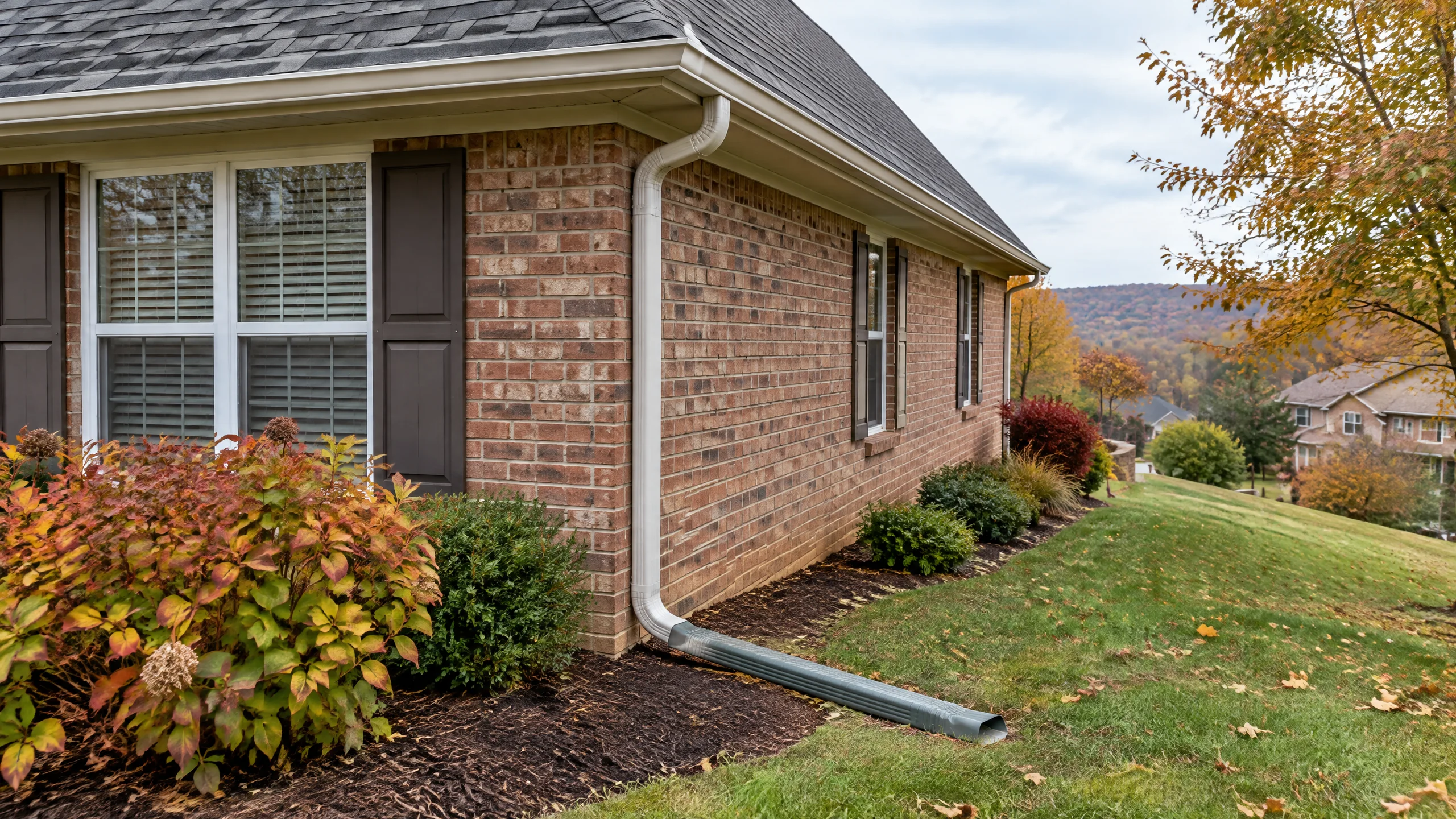
When access permits, the review starts in the bathroom and follows available evidence outward. The grille and fan housing may be visible from below. Attic access can reveal part of the duct route. An exterior wall cap, roof cap, or soffit termination may provide another part of the picture.
- A duct that appears connected at the fan housing.
- A route visible through an accessible space.
- Connections that appear secured rather than separated.
- An endpoint that appears to discharge outdoors, not into the attic.
- Visible crushing, sharp bends, or an open duct end.
A duct followed to a visible exterior termination provides more information than fan noise alone. It does not prove airflow or predict future performance. If a portion disappears behind finishes or insulation, the report can describe the limitation rather than assume what is hidden.
Why the Endpoint Matters
Bathrooms generate moisture during normal use, so the endpoint deserves attention. The U.S. Environmental Protection Agency explains that bathroom ventilation removes unwanted moisture and says air should exhaust directly outdoors, not into an attic or another space in the house. An attic vent is not automatically the same thing as a duct that carries bathroom air outdoors.
DOE-funded PNNL guidance likewise notes that bathroom exhaust released into an attic or crawlspace can contribute to moisture on wood and other surfaces. In an accessible attic, a loose duct end, disconnected joint, or moisture-related evidence near the apparent route can be useful observations. A visual inspection cannot establish a single cause for every mark, stain, or material condition.
Keep Observations in Context
Some bath-fan paths are straightforward to see, especially when an attic is open and the duct and exterior cap are accessible. Others run through finished ceilings, walls, or insulated areas that cannot be fully traced without invasive work. A fan can also be intermittent during a short visit.
For that reason, an inspection note can distinguish an observed condition from a conclusion about the whole system. Visible moisture marks, damp insulation, or a duct that is not visibly connected may warrant follow-up, but they do not identify the cause or scope of repair on their own. A qualified contractor can evaluate routing, connections, and performance when further assessment is appropriate.
Connect the Question to Other Moisture Clues
Bathroom exhaust is one part of a larger moisture picture, not a substitute for looking at other sources. A laundry room raises different questions about appliances and exhaust; see laundry-room moisture questions. Air-conditioning condensate has a separate visible drainage path, explored in this related article on where condensate goes.
Access and operating conditions matter across the property. If a house is vacant, confirming authorized utility status before the appointment helps set sensible expectations; read more about planning utilities for a vacant-home inspection. These related topics help separate possible observations instead of treating every moisture clue as a bathroom-fan issue.
Turn a Finding Into a Focused Next Step
If the accessible route appears incomplete or the endpoint cannot be confirmed, start with the specific observation in the report. A clear question for a qualified contractor is more useful than assuming the cause, scope, or price of a correction. For a practical way to organize follow-up, review turning report findings into focused specialist follow-up.
Before a Union appointment, note any bathroom fan that seems especially relevant and make attic entries available where practical. Five Star's review remains visual and dependent on access. To begin, schedule an inspection and provide the property details and questions that matter to you.