
Mold is one of those household issues that often goes unnoticed—until it becomes a real problem. Many homeowners wonder if they truly need a mold test, especially if there are no obvious signs. The answer depends on your home’s conditions, recent events, and health concerns.
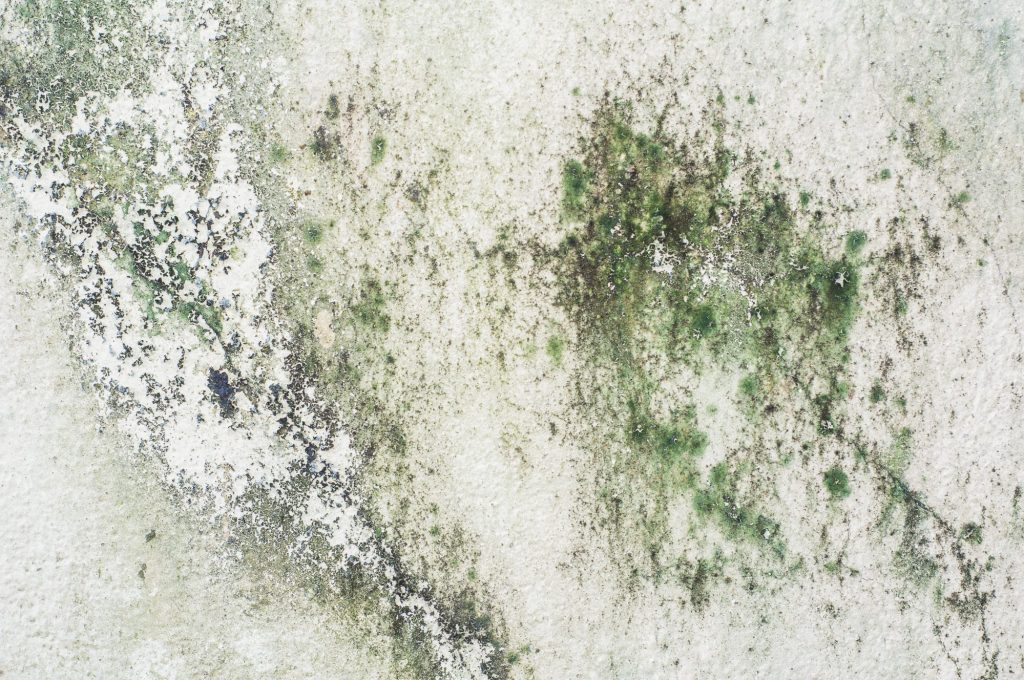
You may need a mold test if your home has experienced water damage, flooding, roof leaks, or plumbing issues, even if those problems were “fixed.” Mold can begin growing within 24–48 hours in damp environments, often hidden behind walls, under flooring, or in HVAC systems. If you notice a persistent musty odor, discoloration on walls or ceilings, or peeling paint, these can also be warning signs.
Health symptoms are another major reason to consider testing. If you or your family members experience unexplained allergies, headaches, coughing, congestion, or worsening asthma—especially while at home—mold could be a contributing factor. Children, elderly individuals, and those with weakened immune systems are particularly sensitive to mold exposure.
Mold testing is also highly recommended before buying or selling a home. A test can uncover hidden issues, provide peace of mind, and prevent costly surprises later. While some homeowners try DIY kits, professional mold testing is more accurate and can identify the type, location, and severity of mold growth.
Ultimately, if something feels “off” about your home’s air quality or moisture levels, a mold test is a smart preventative step. It’s not just about protecting your property—it’s about protecting your health and creating a safer living environment.
Recent Comments