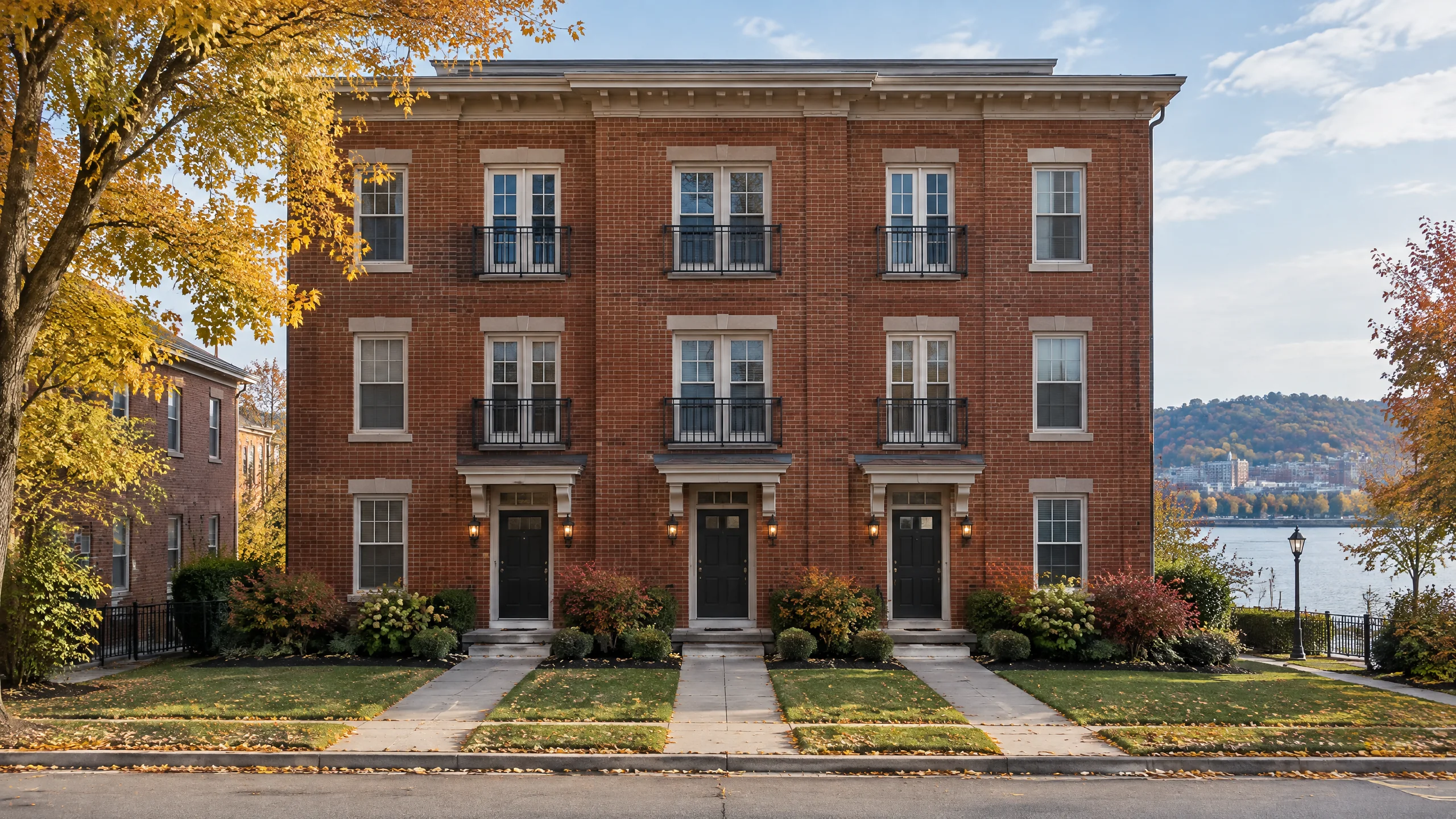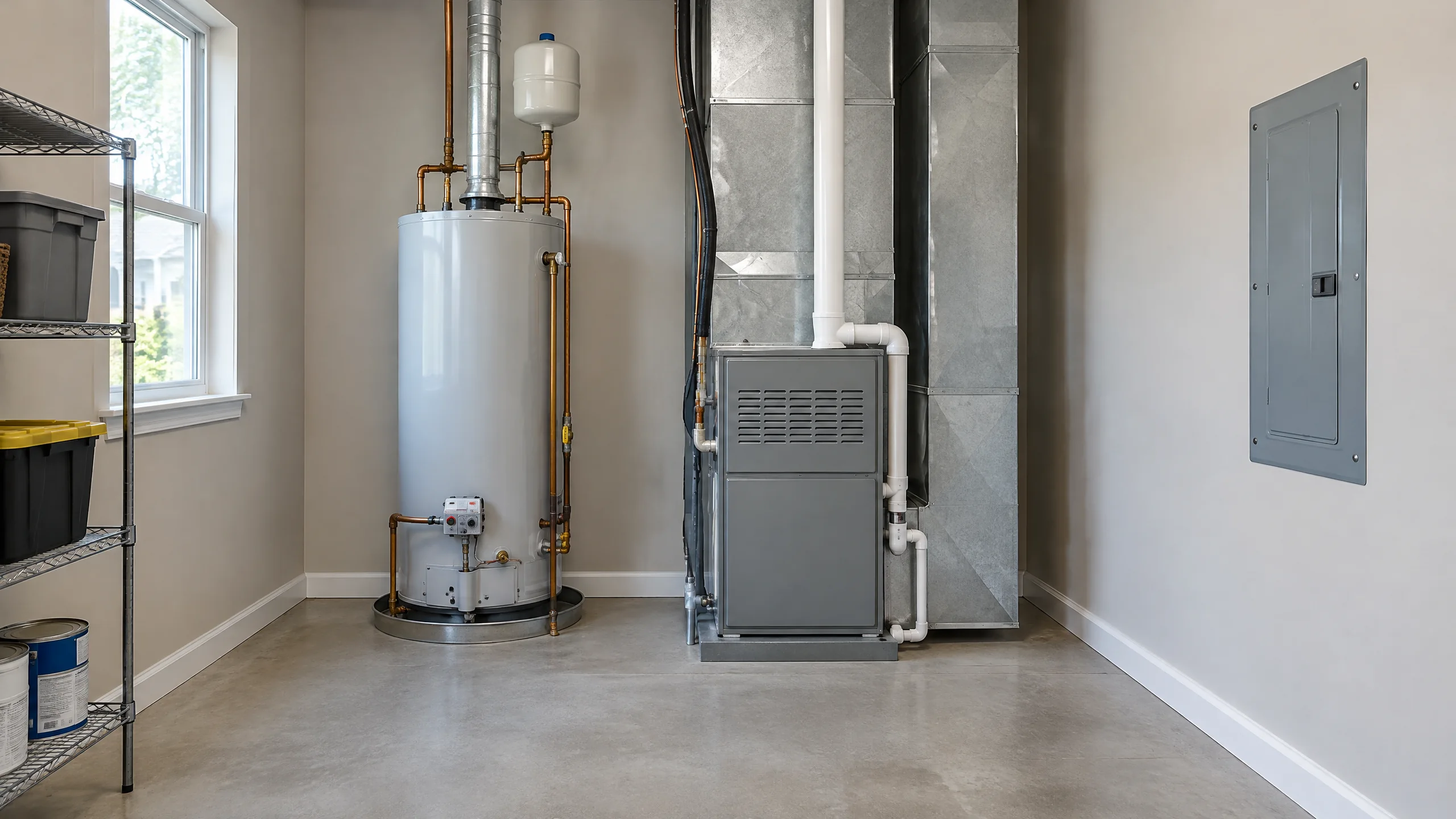
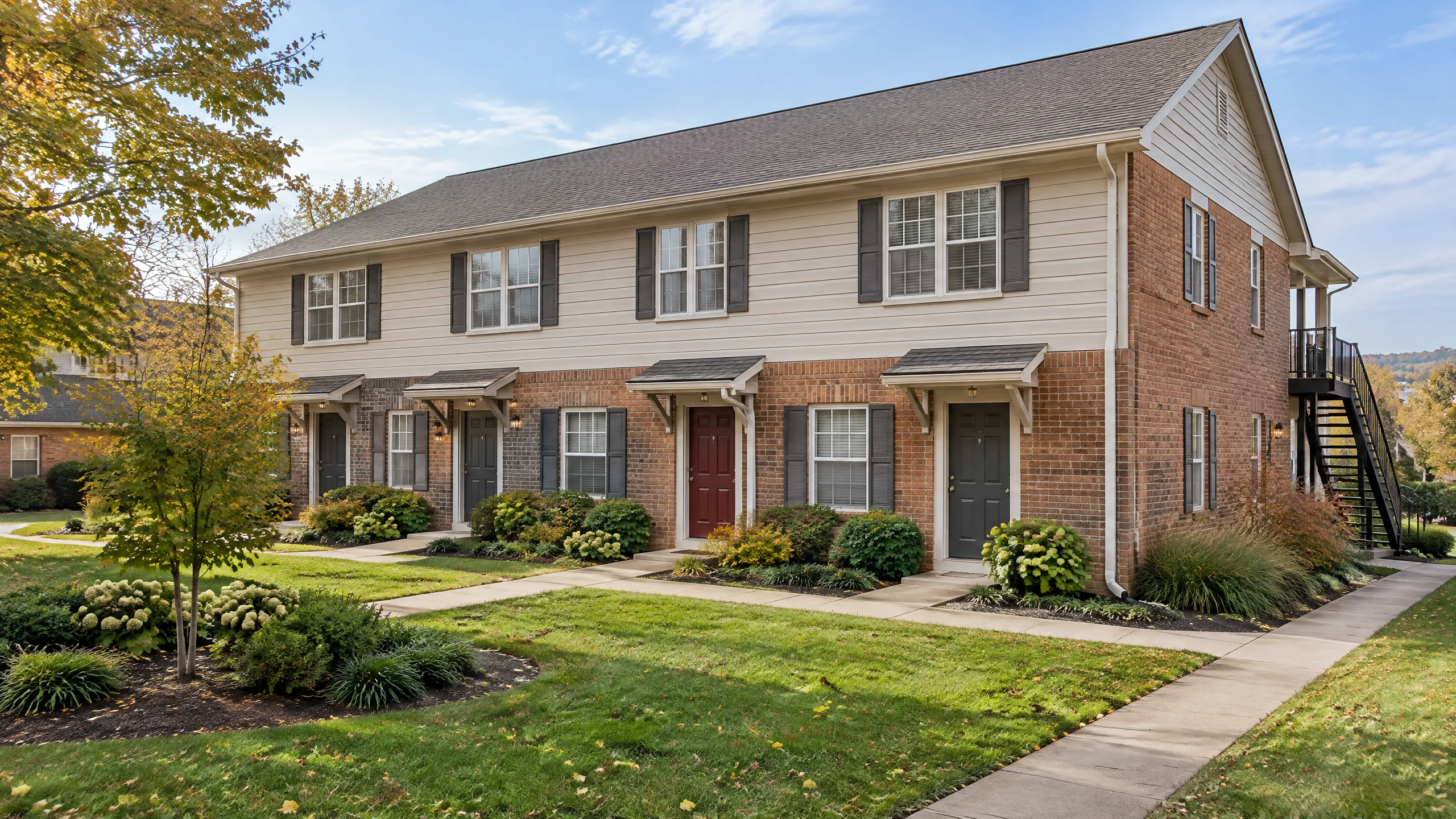
A multifamily building brings several households under one roof, but its condition should not be judged one apartment at a time. A roof leak, deteriorating walkway, or aging shared heating system may affect multiple residents and the owner's maintenance plans. A multifamily building inspection helps connect those visible details before a purchase, sale, or ownership decision.
For properties across Northern Kentucky and Greater Cincinnati, the most useful starting point is a clear question: what do you need to understand about this building today? The answer shapes the inspection scope and helps turn a report into practical next steps.
Look beyond the finishes inside each unit
Fresh paint and updated flooring can make an apartment appealing without explaining the condition of the wider property. Depending on the agreed scope and available access, an inspection may address exterior surfaces, visible roof conditions, drainage, common areas, and accessible plumbing, electrical, heating, and cooling components.
Consider how those observations connect. A stained ceiling beneath a roof penetration may deserve a different follow-up than ordinary cosmetic wear. Water collecting near the foundation may raise questions about drainage. These clues do not establish hidden conditions, but they help focus conversations with the appropriate professionals.
Separate building-wide concerns from unit-specific issues
A loose cabinet hinge and a concern involving shared equipment have different implications. When reviewing findings, note whether an observation affects one unit, a common space, or a system serving several households. That distinction can help an owner organize questions without treating every item as equally urgent.
Ask for clarification when the report's location or description is unclear. A property inspection is not a repair estimate, engineering opinion, or code-compliance certification. Contractor estimates and specialist evaluations may be needed before deciding what work to undertake or how much to budget.
Bring maintenance history into the conversation
Available records can add context to what is visible. Useful examples include roof repairs, equipment servicing, recurring leaks, and previous work in common areas. A recently replaced component may still have connections or surrounding conditions worth understanding.
Records do not replace observation, and missing paperwork does not prove a defect. Share known concerns without assuming their cause. If access needs coordination, our article on multifamily shared-system access explains how to prepare occupied units and common equipment areas.
Use the report to plan focused follow-up
After the inspection, organize findings into questions to clarify, items needing qualified evaluation, and routine maintenance considerations. Keep the report's limitations in view: it describes observed, accessible conditions within the agreed scope, not every concealed component or future failure.
For a practical review process, read turning inspection findings into focused follow-up. Keeping the observation, its location, and your next question together makes discussions with contractors or property managers more productive.
Discuss your multifamily inspection with Five Star
Five Star Home Inspections serves Northern Kentucky and Greater Cincinnati. Share the building's unit count, approximate size, occupancy, access arrangements, and decision timeline to discuss a property-specific scope and quote. Request an inspection online and begin with the building's actual needs.