A vacant house has different operating conditions
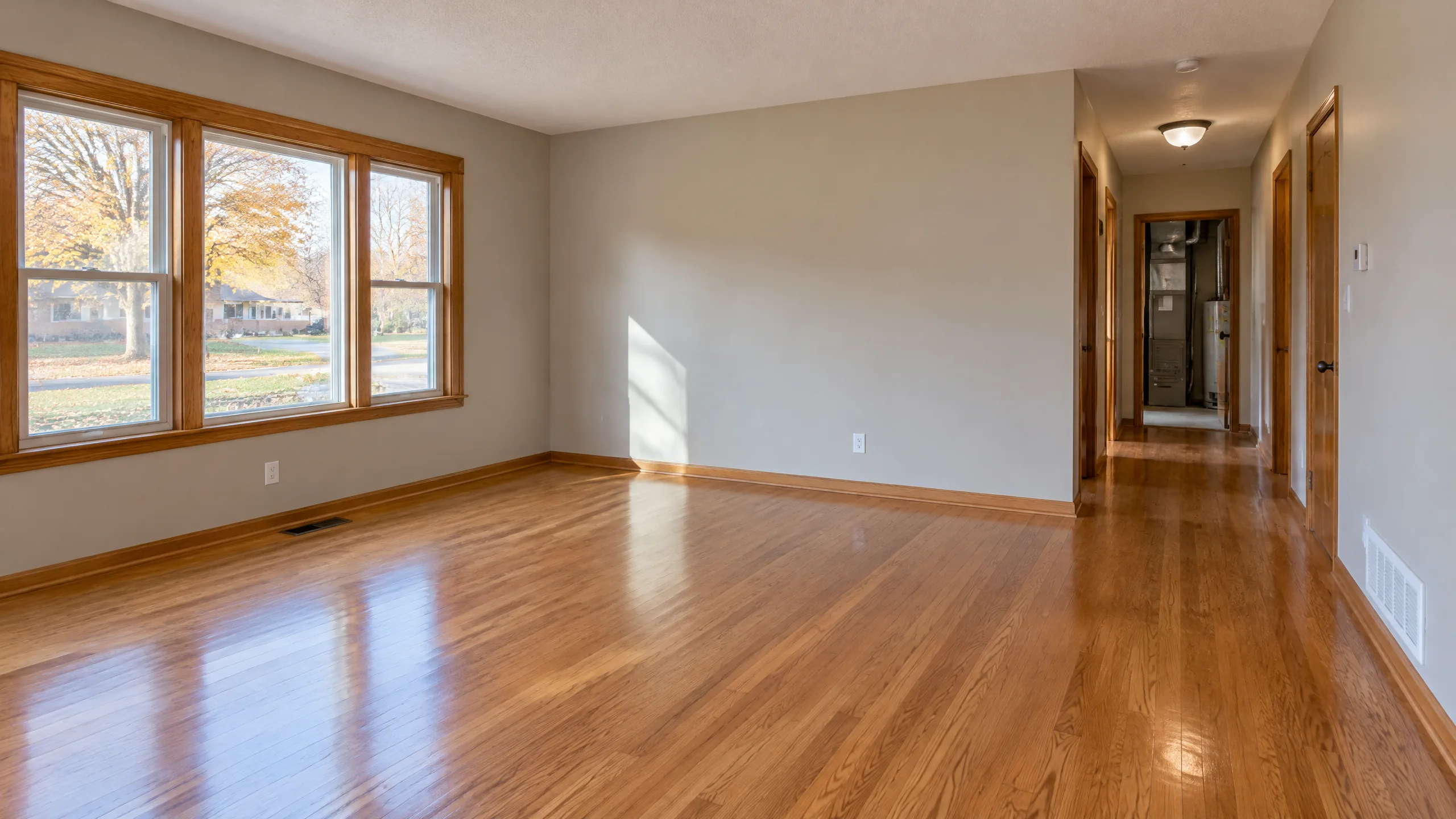
An empty property can have a different operating setup than an occupied home. Heat may be set low, water may be shut off, fuel service may be inactive, or a plumbing system may have been winterized. For a Five Star Home Inspections whole-home visit, the practical question is not whether every system can be made to run; it is which visible, accessible conditions and normal operating functions can be reviewed safely that day.
That is why utility status deserves an early conversation with the listing agent or other person coordinating access. It avoids asking anyone to make an assumption at the appointment and gives the buyer a clearer picture of what may be observed, what may be limited, and what should be documented.
Confirm authorization, status, and controls beforehand
Before the appointment, ask the person responsible for the property to confirm whether electric, water, gas, or fuel service is active and whether heat is operating. Just as important, clarify who is authorized to change a utility setting or arrange activation if that is appropriate. An inspector should not be put in the position of deciding whether to turn on a service or alter a prepared system.
A simple written note can identify the utility status, the contact who can answer questions, and any planned activation timing. It also helps distinguish this preparation from the wider concerns in our inspection access planning article: a clear path inside the home does not establish that systems are ready for operation.
Winterization changes what can be observed
Winterization is more than a label on a listing. It may involve shutting off water and draining portions of the plumbing to reduce freeze-related risk. In cold-weather plumbing guidance, Purdue Extension lists shutting off the main water and draining faucets among the protective steps.
If water is off or plumbing has been prepared for cold weather, fixtures cannot be functionally checked by running water, flushing, or observing drainage. A visual review can still note accessible components, labels, visible piping, water-heating equipment, and conditions apparent without operating the system. That useful information does not establish how every concealed pipe, fixture, or appliance will perform after reactivation.
What a winterized system can still show
An accessible main shutoff location, visible pipe damage, staining, or an open mechanical condition may still merit attention. Each is an observation made under that day’s conditions, not a promise that every part of the system is ready for use.
Do not confuse activation with inspection responsibility
A home inspection uses normal operating controls and has defined boundaries. The InterNACHI Standards of Practice, a widely used industry guideline, says inspectors are not required to operate systems that are shut down or to operate shut-off valves. Five Star’s stated scope likewise centers on visible, accessible systems and components, with access, weather, and safety conditions affecting the review.
For a vacant home, plan around authorized utility arrangements instead of assuming the inspector will de-winterize plumbing, energize a disconnected service, relight equipment, or restore operations. When something cannot be operated, that limitation is not a conclusion about its condition. Ask in advance how relevant utility status and inspection limitations will be addressed.
Keep related testing questions separate
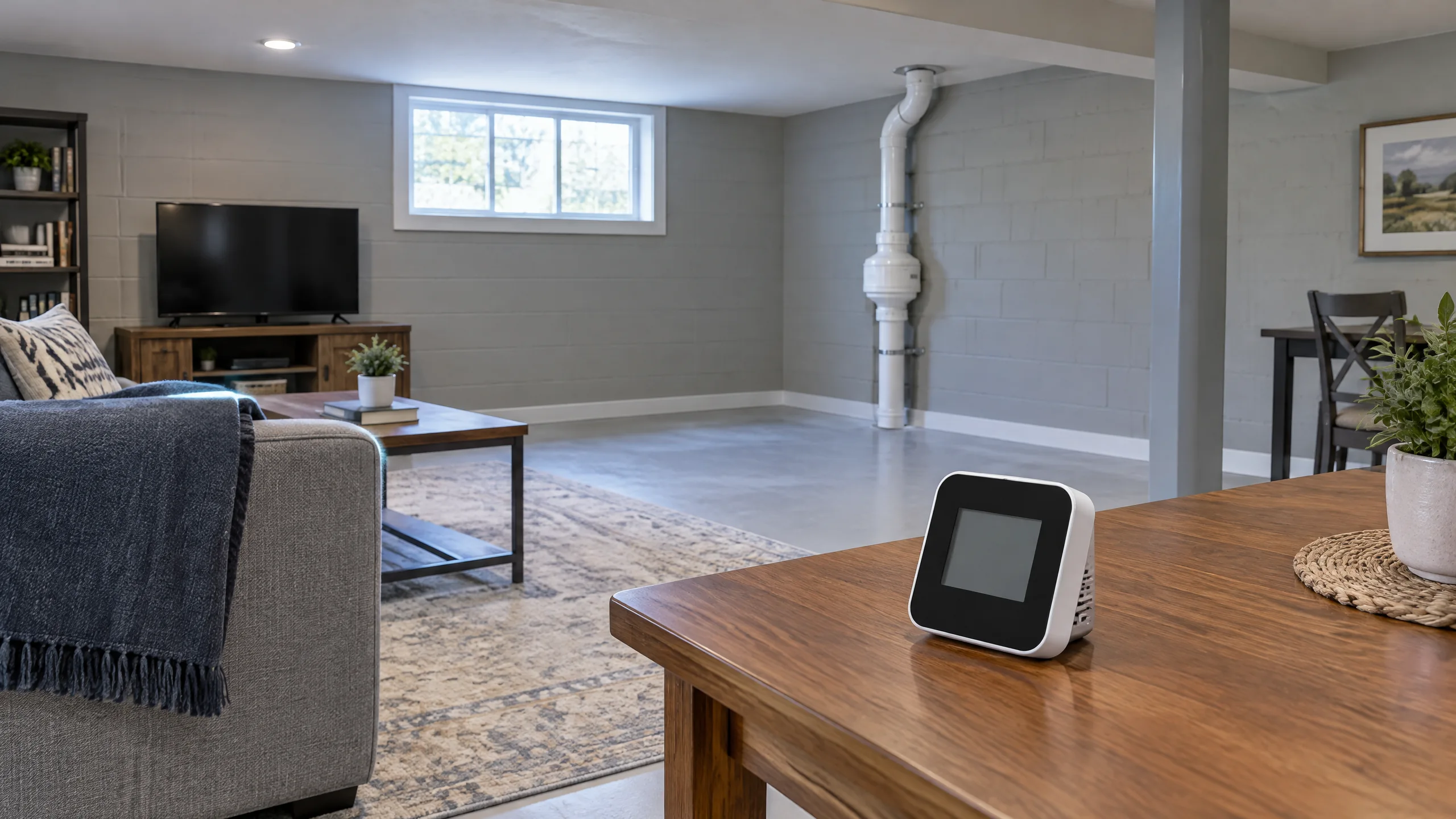
Vacancy can raise questions beyond a whole-home inspection, but each service has its own setup. An existing mitigation pipe, for example, does not establish current radon conditions; our guide to homes with an existing radon mitigation system explains why current testing and records matter.
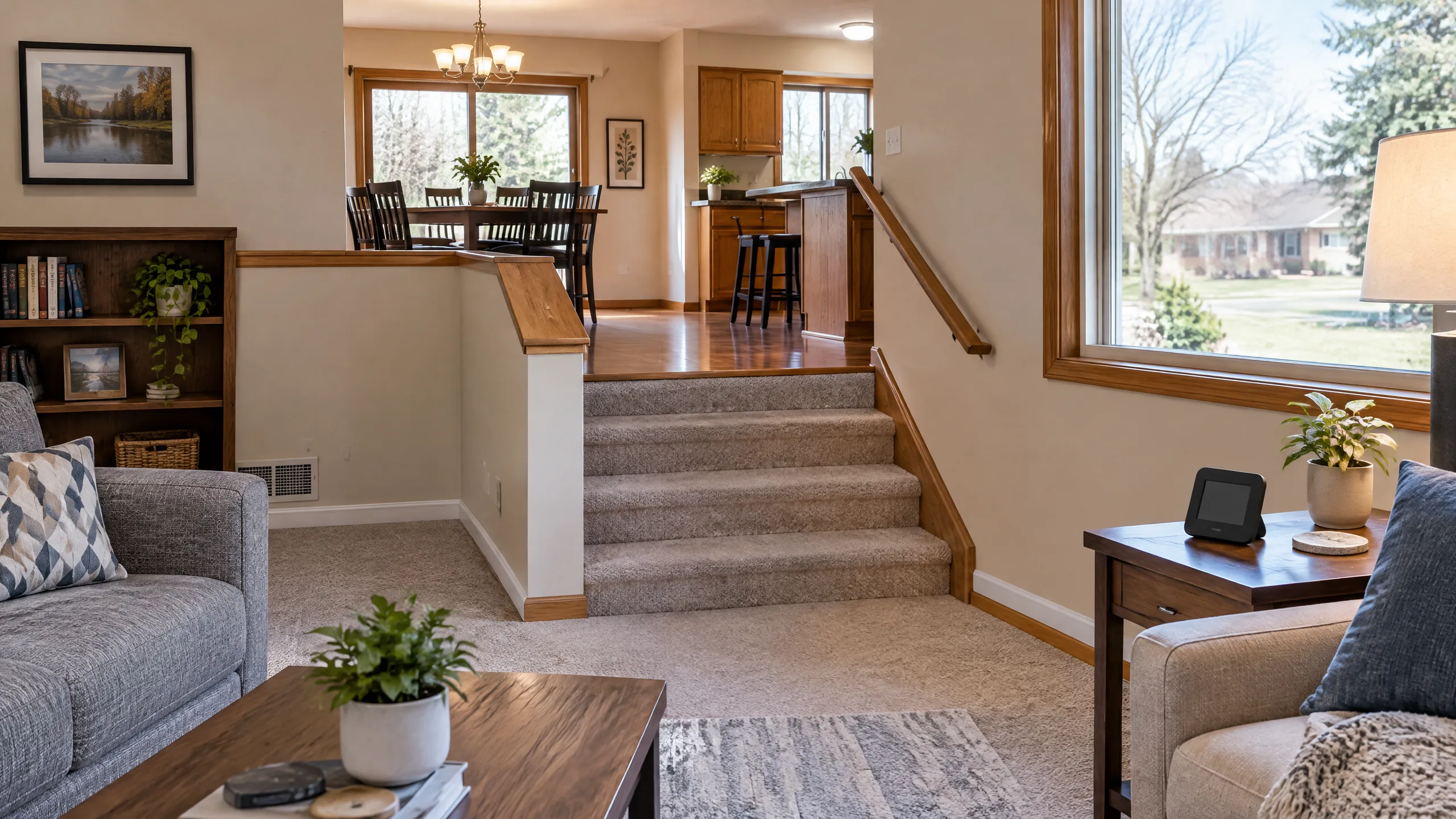
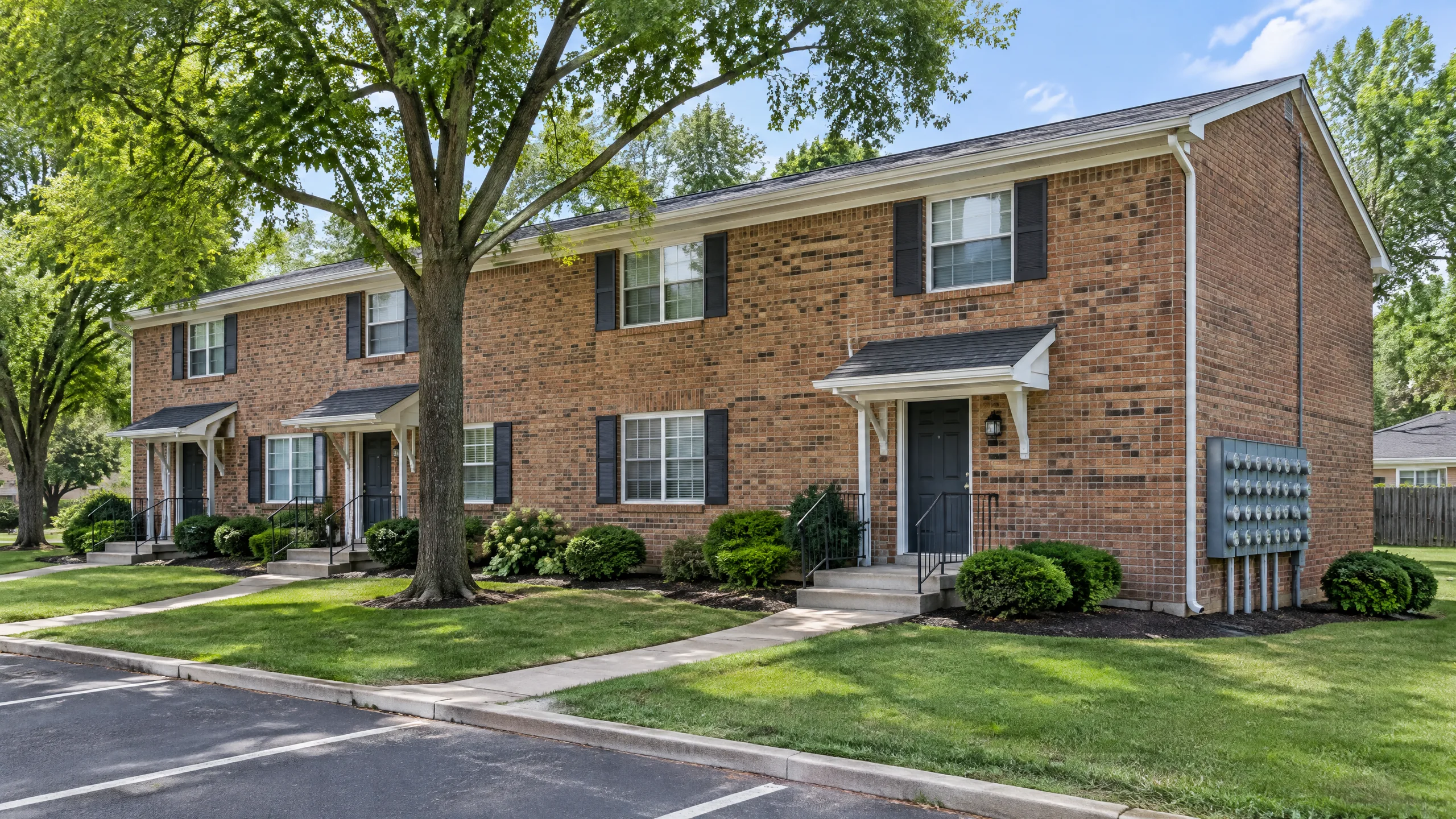
Likewise, planning radon testing in a split-level home is a placement question, while utility locations at a multifamily property call for a different access conversation. Identifying those questions early lets the appointment focus on the relevant scope without treating one observation as an answer to another.
Share a short plan before scheduling
The most helpful preparation is concise: identify the responsible contact, state the known utility and winterization status, confirm access to readily accessible areas, and mention specific questions. Do not represent something as active if you are unsure; that uncertainty is useful information for planning.
Five Star home inspections focus on visible, accessible systems and components, so a candid pre-appointment note supports a workable scope. To begin the conversation, schedule an inspection and include the vacant-home details with the request.