Finding a radon vent pipe or fan at an Independence home can be reassuring, but it does not answer a present-day question: what is the radon level during a current measurement? A mitigation system shows that radon was previously addressed, not that it is operating as intended today. Records and a planned test offer a clearer starting point than visible equipment.
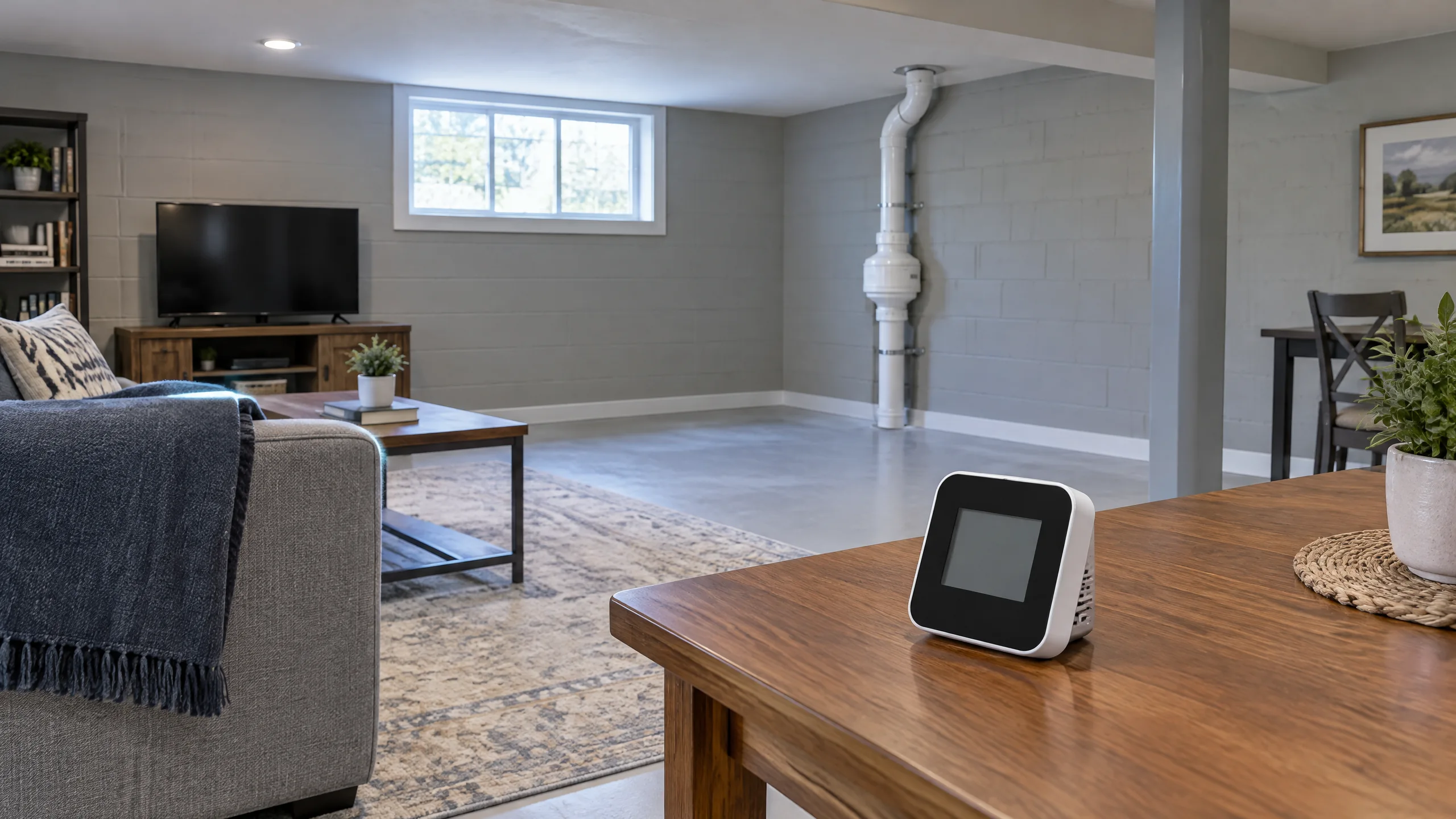
The pipe is a clue, not a result
Many radon-reduction systems use a fan and piping to draw soil gas from beneath a home and vent it outdoors. A visible pipe can explain history, yet it cannot confirm current fan performance, concealed components, or living-space concentration. A measurement over the selected test period provides the current result.
That distinction helps when comparing properties. A system or prior report is useful context, but neither replaces property-specific information. Five Star’s radon testing service provides a measured result; it does not include mitigation design, installation, or repair.
Gather records without treating them as a warranty
Before a test, ask the owner or listing contact whether they can share documents about the system. Useful records include original installation paperwork, post-installation and later results, service invoices, and warning-device or fan-replacement information. They provide context, not a promise about current conditions.
A practical records packet
- Dates and results of prior radon measurements
- Installer, service, or fan-replacement documentation, if available
- Notes about renovations, lower-level finishing, or changed home use
- Any operating instructions supplied with the system
Bring records to the conversation rather than trying to diagnose the system from paperwork alone. They can help a qualified radon professional understand its history if follow-up is warranted. For a broader look at coordinating property questions, see Home Inspection, Radon, WDI, and Mold: Coordinating Different Questions.
Why post-mitigation and later tests matter
Testing directly shows whether radon remains low after a system is installed. The U.S. Environmental Protection Agency advises homeowners to check a system’s warning device regularly and retest at least every two years; it also notes that these systems need occasional maintenance. See the EPA’s guidance on checking whether a radon mitigation system is working properly.
Older reports are context, not a substitute for a current result. EPA says a buyer may request a new test if a prior test is not recent, the home was renovated or altered, or the buyer will occupy a lower level not previously tested. Mention these conditions when arranging the test.
Plan for normal test conditions
A radon test measures a defined period, so placement and test conditions matter. Let the testing professional know which lower-level spaces are used, whether the home is vacant, and whether renovations or access constraints are in progress. Follow the provided instructions and avoid disturbing the device.
This is not a test of the mitigation equipment. It obtains a usable reading for the home as it is being considered now. If vacancy affects the appointment, this guidance on agreeing on utilities before inspecting a vacant home can help organize the broader plan.
Interpret the result with the right professional
A current measurement is a data point, not a diagnosis or a prediction of every future condition. Five Star reports the result so the client has property-specific information to review. If questions remain, a qualified radon mitigation professional can evaluate system performance and next steps.
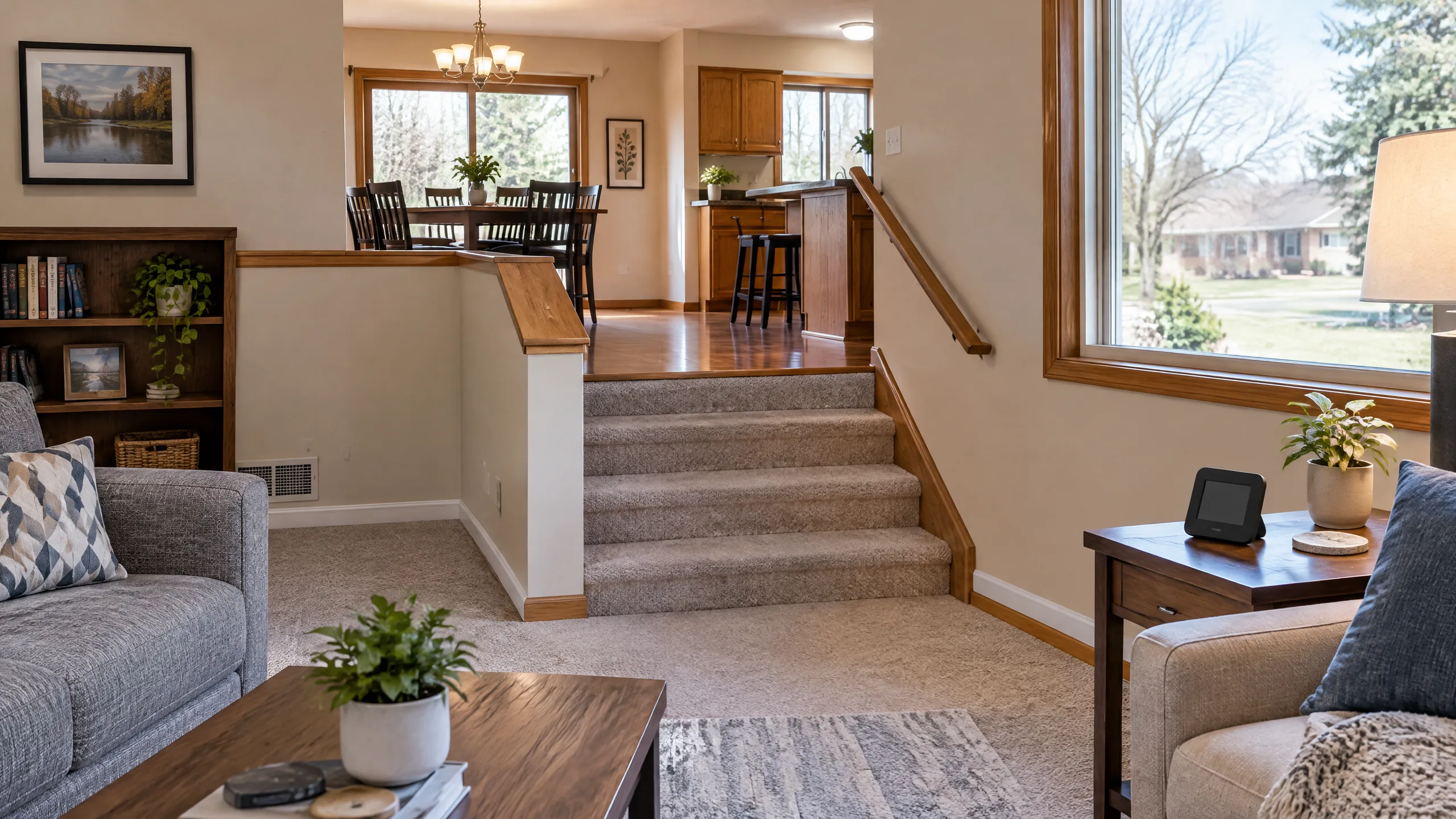
In a home with more than one finished level, testing location can be an important planning detail. Our article on radon testing in a split-level home explains why discussing the lowest appropriate living area before measurement is useful. That discussion keeps the test aligned with how the space is used.
Start with a current measurement
An existing mitigation system is meaningful history, and good records make that history easier to understand. Still, a current test is the practical way to replace uncertainty with a measured result for the selected period. It supports a focused discussion without assuming a fan, pipe, or old report settles the question.
If you are arranging an Independence home inspection or want a separate test, schedule an inspection and request radon testing. Share available system records so the plan can account for the home’s present setup.