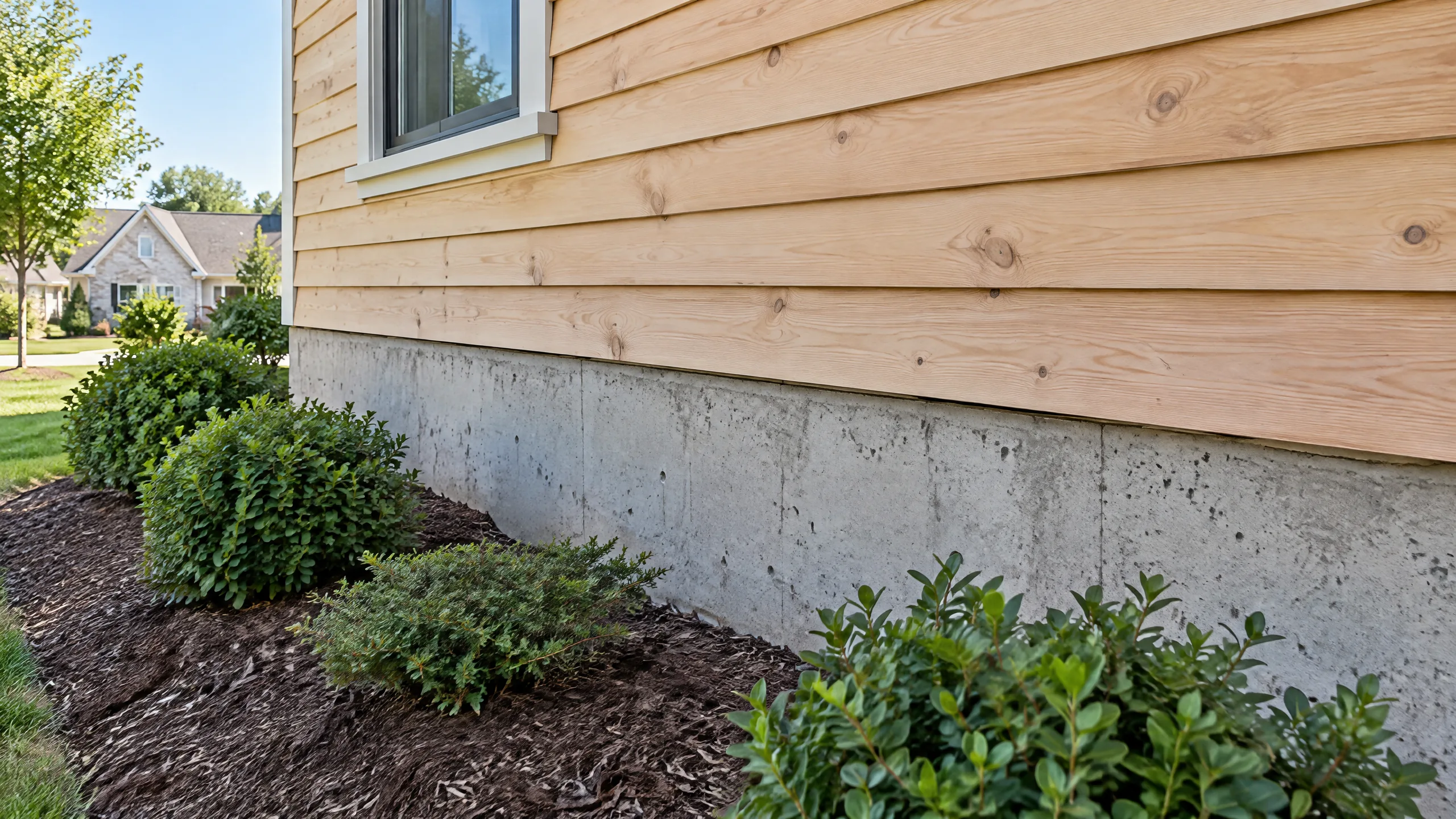
Landscape beds can make a Loveland home’s exterior inviting, yet they also change what is visible at the base of the structure. During a wood-destroying insect inspection, mulch, shrubs, soil level, and exterior features provide context around the foundation and lower siding. They can limit the view of surfaces that might otherwise help an inspector document visible evidence or access-related conditions.
Landscape Visibility at the Foundation
A neat planting bed is not, by itself, evidence of wood-destroying insects. But tall mulch, accumulated soil, or dense vegetation can cover the lower foundation, siding edge, and other exterior details. When those areas are concealed, the inspection remains based on accessible conditions, but the visible record is more limited.
That distinction matters for buyers and current owners. Reduced visibility is not insect activity or a diagnosis. It explains why a clear view of the lower exterior can be useful during an inspection.
Mulch, Soil, and Wood Contacts
Wood that contacts soil deserves attention because it can create a less visible route to a building. University of Kentucky Extension guidance explains that wood-to-soil contact can give termites access to food, moisture, and shelter, and advises keeping wood siding above ground level. It also says mulch should not contact wood siding, door framing, or window framing.
Why a Visible Edge Helps
An exposed transition between landscape material, foundation, and siding lets the inspector observe conditions present at the visit. It can make visible insect pathways, material changes, and wood-to-soil contacts easier to identify. It does not reveal concealed spaces, and a clear edge does not prove insects are absent.
Shrubs, Edging, and Exterior Access
Shrubs against a wall, vines touching the exterior, and decorative edging can affect access and sight lines. NC State Extension notes that plants covering a foundation can make inspections difficult and that high mulch or vegetation can conceal exterior termite tubes. That is a visibility concern, not a conclusion about what is behind the landscaping.
Before an appointment, owners can note exterior areas that are hard to reach or see, such as a side yard behind mature shrubs or a bed built up along lower siding. There is no need to disturb landscaping solely to guess at a finding. Sharing limitations helps set accurate expectations for the accessible inspection.
Conditions Versus Confirmed Insects
Landscape features near the house may be described as conditions that could support access or obscure observation. They do not confirm termites, carpenter ants, or another wood-destroying insect. Visible mud tubes, altered wood, frass, wings, and their setting require context rather than a single-cause assumption.
Likewise, weathering or decay at a siding base can have more than one explanation. A WDI inspection distinguishes what is visibly observed from what remains uncertain behind finishes, planting material, or inaccessible portions of the structure. If observations raise a concern, a qualified pest-management professional can address identification and treatment questions.
What a WDI Inspection Can Cover
Five Star’s Termite and WDI inspections focus on visible signs associated with termites, carpenter ants, and other insects that can affect wood in readily accessible areas. The exterior review can include visible foundation sections, exposed wood features, and points where soil and building materials meet. Landscaping, stored items, finished surfaces, and limited clearance can affect what can be seen without destructive investigation.
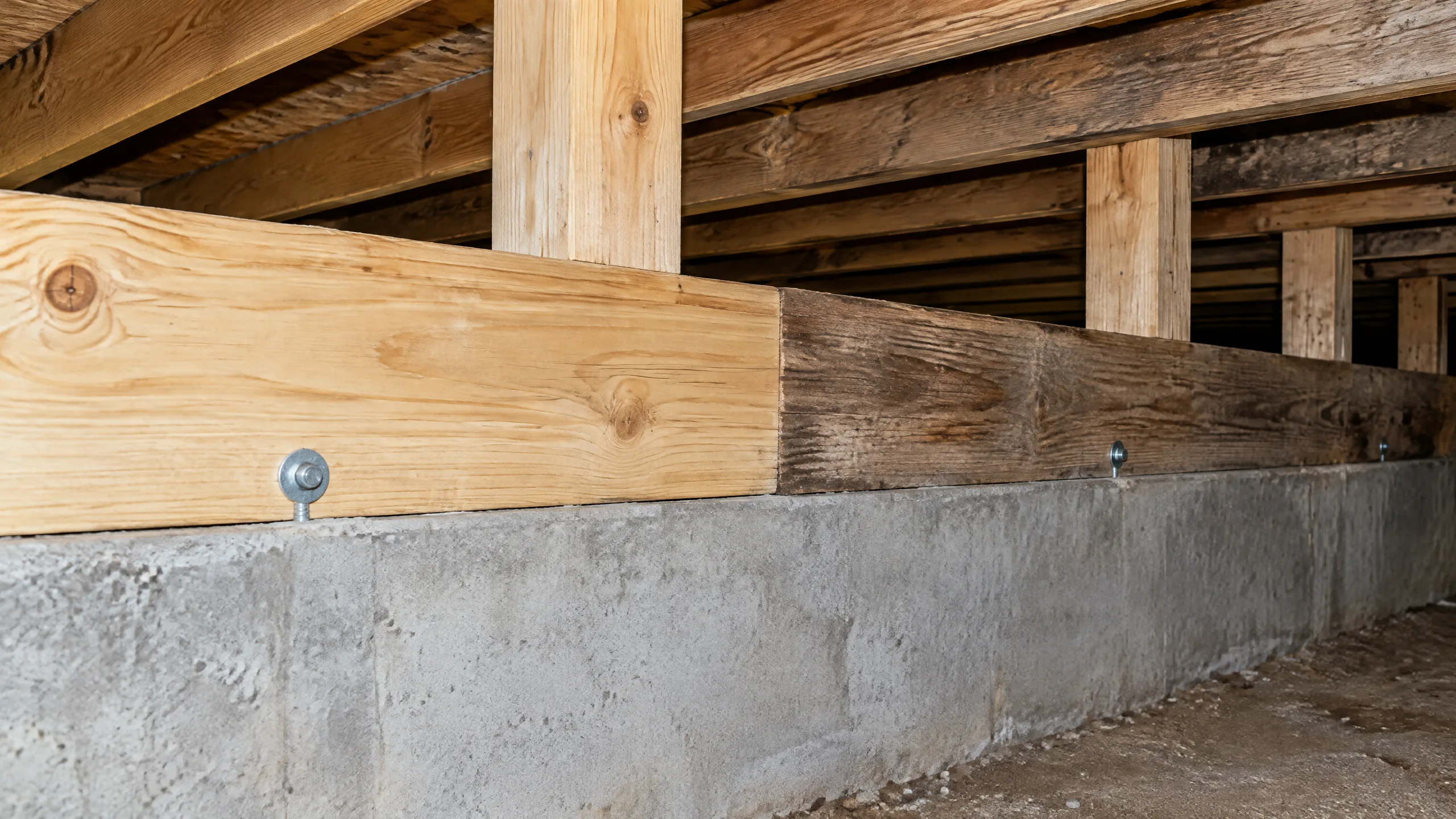
For a related example of how existing materials and access limits affect inspection context, read about crawlspace sill repairs during a WDI inspection. The same observation-first approach applies whether an exterior planting bed or an interior repair area limits visibility.
Planning a Useful Loveland Appointment
If you are arranging a WDI inspection in Loveland, point out prior insect documentation, recent landscape changes, and exterior locations that may be difficult to access. That background does not replace the inspection, but it can direct attention to relevant accessible areas. For another preparation perspective, see the existing article on WDI inspection access in garages and storage areas.
After the inspection, keep reported observations separate from decisions about treatment or repairs. If you are building a post-purchase record, a practical maintenance handoff can help organize property information without treating the report as a repair plan. When you need targeted WDI information for an accessible property area, schedule an inspection with Five Star Home Inspections.