A sill repair is a clue, not a conclusion
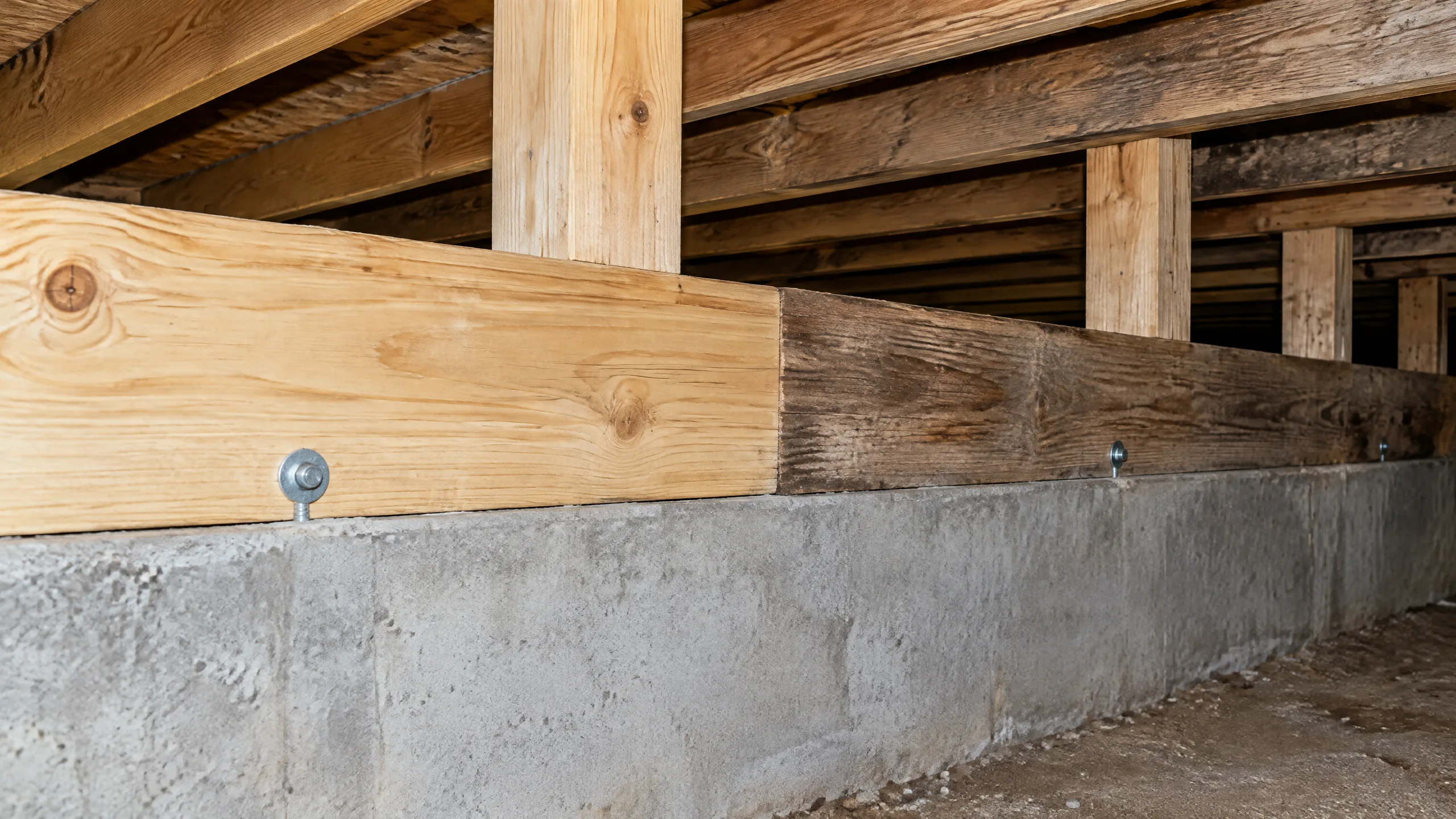
In an Alexandria home, a crawlspace sill repair can prompt sensible questions about what was found and what still needs attention. Newer lumber, different fasteners, or a cleaner section beside aged wood show that work occurred, but they do not by themselves identify the earlier cause or establish how the repair will perform.
Replacement material may make the boundaries of work easier to see, while leaving unanswered whether adjacent original wood was affected or why the work was done. A note, invoice, or permit may add useful history, yet it does not replace observing the accessible area in its current condition.
A WDI inspection approaches that area differently. It focuses on visible evidence associated with termites, carpenter ants, and other wood-destroying insects in accessible areas; it is not a structural certification or a destructive investigation behind the repaired framing.
Look for evidence that is still visible
An accessible sill, rim area, foundation wall, and wood-to-concrete transition can provide useful context. Observations may include tubes, insect wings, galleries, frass, altered wood, or conditions that could support insect access and merit further evaluation.
No single item supplies a complete answer. The EPA notes that termites often remain within soil, mud tubes, or food sources while tunneling, so the location, pattern, material condition, and inspection access all matter on the inspection date.
Patterns need context
Wood loss and newer replacement lumber do not identify an insect on their own. University of Minnesota Extension explains that carpenter-ant galleries are clean and smooth, while termite tunnels are packed with dirt-like material, illustrating why a visible pattern needs context rather than a quick label.
Access shapes the observation
Crawlspaces can have low clearance, insulation, vapor barriers, stored items, or obscured sections that limit what is visible. A WDI inspection is a snapshot of accessible conditions, and no visible evidence in a concealed area does not establish that insects have never been present or cannot be present there.
The access route itself can influence how much of a sill line can be observed. A very low or blocked area may prevent a direct view of the framing-to-foundation connection, which should be described rather than assumed away.
Clear reporting should connect an observation to its location and state where access was restricted. That keeps the limitation specific to the sill question instead of treating it as a vague disclaimer after the fact.
Separate insect observations from repair questions
A WDI question asks whether accessible conditions show insect evidence or signs that deserve further evaluation. A repair question asks what prior framing work involved and whether its design or performance needs review; the subjects can overlap at one sill without becoming the same conclusion.
That separation avoids two common leaps: treating all replacement lumber as proof of insect damage or treating an accessible clean-looking section as proof that every concealed portion is unaffected. It also helps a report distinguish what was observed from what a separate specialist may need to evaluate.
If active or possible insect activity is observed, a qualified pest-management professional can address identification and treatment questions. If the concern is the repair itself, an appropriately qualified building or repair professional can evaluate that work; the WDI report records observations rather than selecting treatment or certifying structural adequacy.
Prepare for a focused visit
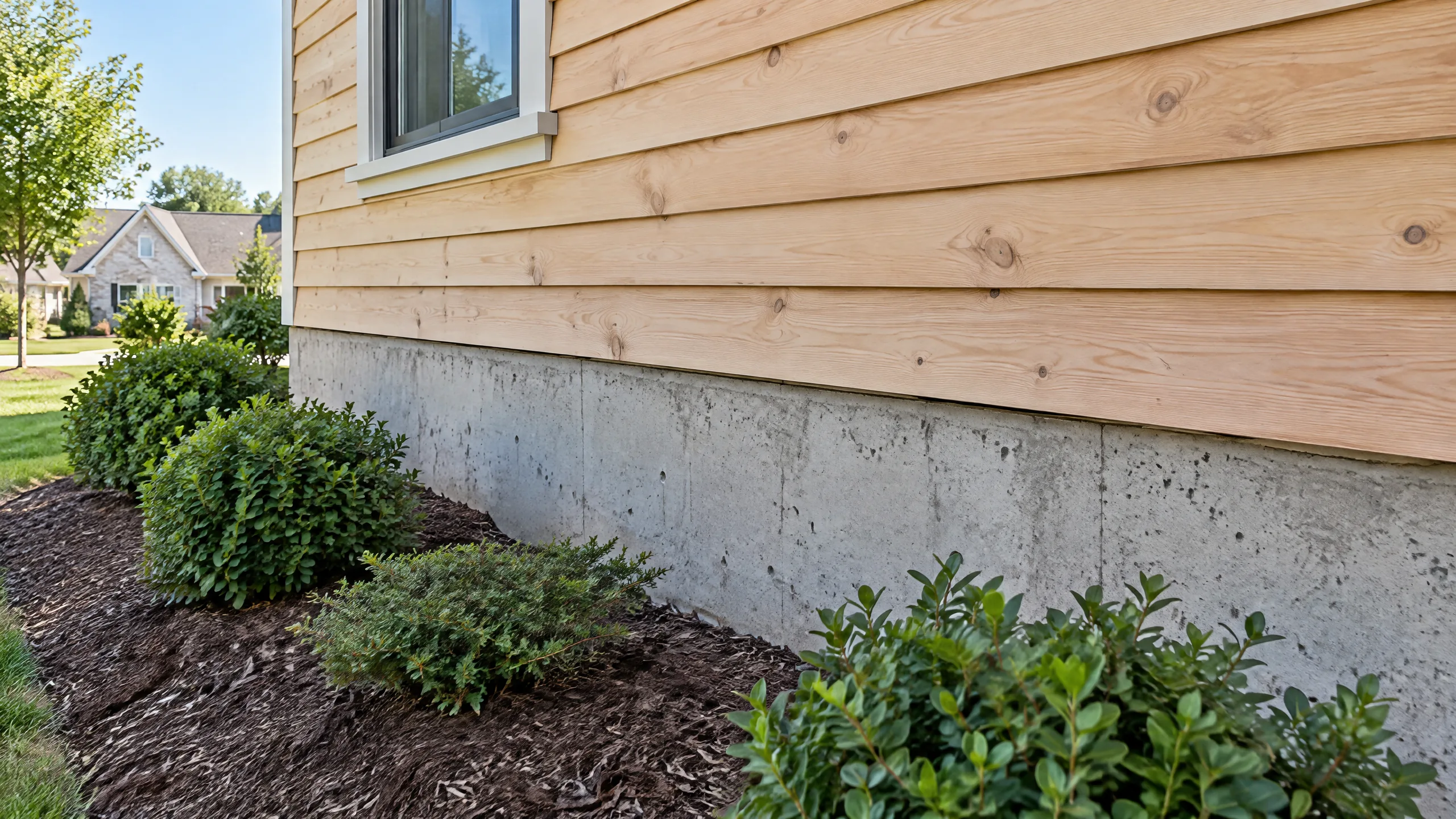
Before an inspection, share any records or photographs that show when the sill work was done, and make the crawlspace entry reasonably accessible when it is safe to do so. Exterior visibility matters too: our guide to landscape changes near wood siding explains how planting and mulch can conceal foundation-adjacent materials.
Keeping repair notes with inspection observations can make later maintenance questions easier to organize; see our related article on a useful maintenance handoff. For another visible-wood perspective, read Termite and WDI Inspections in Fort Thomas, KY: Porches and Wood Connections.
For targeted questions about accessible insect evidence around crawlspace framing, review Five Star Home Inspections’ Termite and WDI inspection service. When you are ready, schedule an inspection and include the repaired sill area among the property details you want to discuss.